
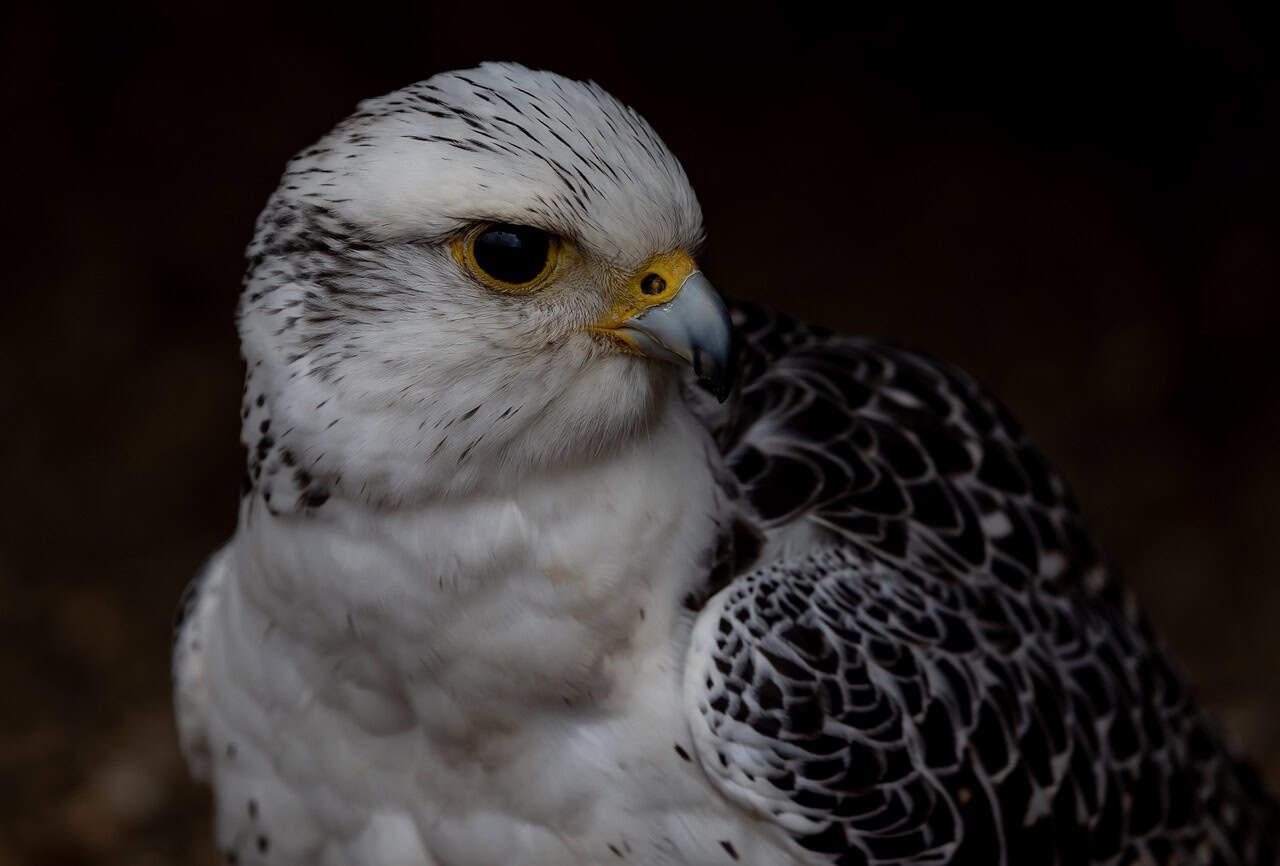
In falconry, Gyrfalcons can suffer from Aspergillosis, which affects the respiratory system; Bumblefoot, which causes painful swelling; and Avian Pox, which leads to wart-like growths. As a falconer, it’s important to recognize these diseases early. To keep Gyrfalcons healthy, a thorough health monitoring program, regular vet check-ups, and proper nutrition are essential. Good biosecurity protocols also reduce infection risks.
Common Diseases in Falconry Gyrfalcons Birds
Over the years, I’ve witnessed many different illnesses in gyrfalcons. Some were lucky enough to catch them early enough to be treated and healed, while others didn’t. It’s important to be aware of the common diseases that can affect falconry gyrfalcons and take preventive measures to keep them healthy.
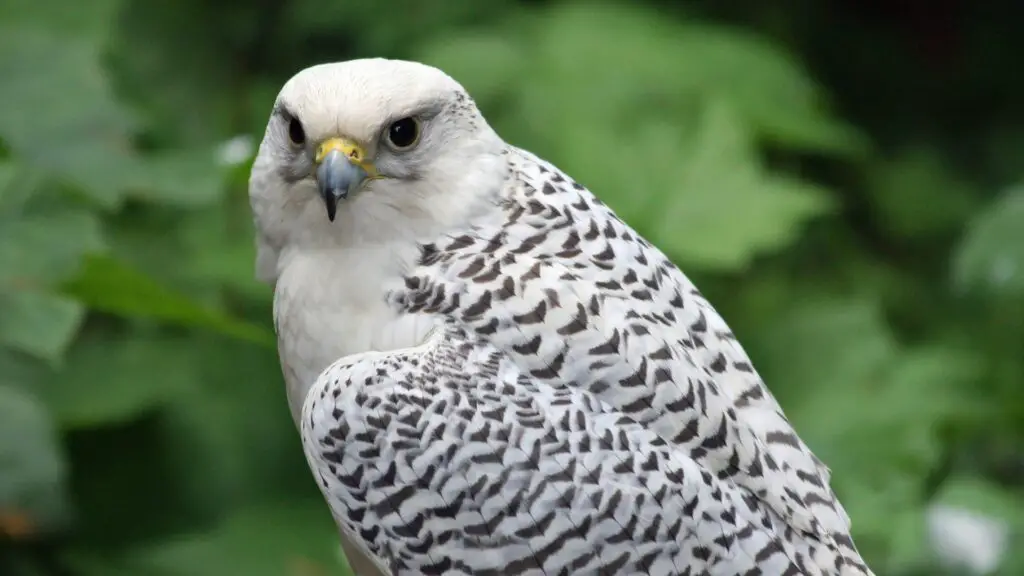
- Aspergillosis:
- Aspergillosis is caused by Aspergillus fungi, commonly found in decaying organic matter. Birds can inhale fungal spores, which infect their respiratory tract. If left untreated, this can lead to inflammation, difficulty breathing, and eventually systemic infection.
- Prevention involves providing proper ventilation in the bird’s housing to reduce humidity and mold growth. Regular cleaning of the environment and using clean bedding materials can also help prevent fungal contamination.
- Treatment usually involves antifungal medications administered orally or through inhalation, along with supportive care to improve the bird’s respiratory function.
- Bumblefoot:
- Bumblefoot occurs when birds develop sores or ulcers on the bottoms of their feet, often due to standing on rough or abrasive surfaces for prolonged periods. These sores can become infected, leading to swelling, pain, and lameness.
- Prevention includes providing suitable perches with smooth surfaces and proper diameter to support the bird’s feet. Regular inspection of the feet for any signs of swelling or injury is essential.
- Treatment involves cleaning and disinfecting the affected area, sometimes followed by bandaging and antibiotics to combat secondary infections. In severe cases, surgical intervention may be necessary to remove infected tissue.
- Avian Pox:
- Avian pox is a viral disease caused by the Avipox virus, which can affect both wild and captive birds. It spreads through direct contact with infected birds or contaminated surfaces.
- Symptoms include wart-like growths on the skin, lesions on the eyes, beak, and feet, and sometimes respiratory distress if the virus affects the upper respiratory tract.
- Prevention involves minimizing exposure to mosquitoes, which can act as vectors for the virus. Good hygiene practices, such as regular cleaning and disinfection of equipment and housing, can also help prevent the spread of the disease.
- Treatment focuses on supportive care to boost the bird’s immune system and manage secondary infections. There’s no specific antiviral treatment for avian pox, so prevention is key.
- Frounce (Trichomoniasis):
- Frounce is caused by the protozoan parasite Trichomonas gallinae, which infects the upper digestive tract of birds, including the crop and throat.
- Infected birds may exhibit symptoms such as regurgitation, weight loss, difficulty swallowing, and lethargy.
- Prevention involves maintaining good hygiene in the bird’s environment and ensuring clean water and food sources. Avoiding contact with infected birds and minimizing stress can also help prevent the spread of the parasite.
- Treatment typically involves administering antiprotozoal medications, such as metronidazole, along with supportive care to improve the bird’s condition.
- Avian Influenza:
- Avian influenza is a highly contagious viral disease that primarily affects birds but can occasionally infect mammals, including humans. It’s caused by influenza type A viruses.
- Symptoms in birds can vary but may include respiratory distress, decreased egg production, neurological signs, and sudden death.
- Prevention involves strict biosecurity measures to prevent the introduction of the virus into the falconry environment. This includes limiting contact with wild birds, quarantining new birds before introducing them to existing populations, and practicing good hygiene.
- There’s no specific treatment for avian influenza, so prevention and early detection through surveillance are crucial.
- Parasitic Infections:
- Parasitic infections in gyrfalcons can be caused by a variety of internal and external parasites, including mites, lice, ticks, and gastrointestinal worms.
- Symptoms may vary depending on the type of parasite but can include itching, feather loss, anemia, digestive disturbances, and weight loss.
- Prevention involves regular inspection of the bird’s plumage and skin for signs of parasites, along with routine deworming and parasite control measures prescribed by a veterinarian.
- Treatment typically involves administering antiparasitic medications, such as topical treatments for external parasites or oral dewormers for internal parasites. Environmental management and hygiene practices can also help reduce the risk of parasite infestations.
- Avian Herpes:
- Avian herpesviruses are a group of viruses that can infect various species of birds, including raptors like gyrfalcons. These viruses are highly contagious and can cause a range of symptoms depending on the specific strain and the bird’s immune response.
- Symptoms of avian herpesvirus infection may include conjunctivitis (inflammation of the eyes), respiratory distress, central nervous system signs such as tremors or paralysis, and lesions on the skin or mucous membranes.
- Prevention involves strict biosecurity measures to prevent the introduction of the virus into the falconry environment. These measures include quarantining new birds, limiting contact with wild birds, and disinfecting equipment and housing.
- There is no specific treatment for avian herpesvirus infections, so prevention and management of clinical signs are essential. Vaccination against certain strains of avian herpesviruses may be available in some regions and can be considered as part of a comprehensive disease prevention strategy, especially in areas where the virus is known to be endemic.
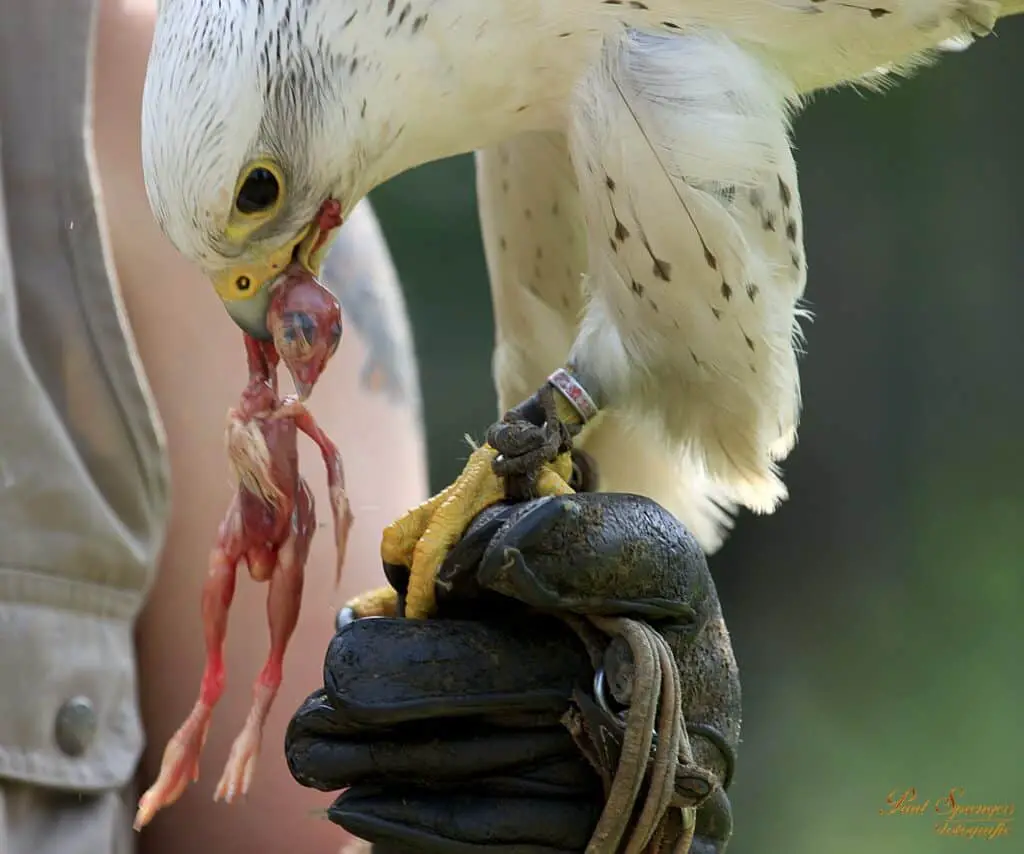
Preventive Measures for Falconry Gyrfalcons
Here are some essential tips that I practice for preventing common health issues in falconry gyrfalcons:
- Proper diet and nutrition: A balanced diet is crucial for maintaining the overall health of a gyrfalcon. I make sure to provide a varied, high-quality diet that includes sources of essential vitamins and minerals.
- Regular veterinary check-ups: Just like with any other pet or animal, regular visits to the veterinarian are essential for identifying and preventing potential health issues in falconry gyrfalcons.
- Good hygiene practices: Maintaining a clean and hygienic environment for the bird is crucial. This includes regularly cleaning and disinfecting equipment, housing, and food sources.
- Minimizing stress: Stress can weaken a bird’s immune system, making them more susceptible to diseases. I try to minimize stress by providing a calm and stable environment for the birds.
- Biosecurity measures: To prevent the introduction and spread of diseases, I limit contact with other birds, especially wild birds. I also practice strict biosecurity measures when handling new birds or equipment that may have come into contact with infected birds.
- Parasite control: Regular inspections and deworming can help prevent parasitic infestations in gyrfalcons. I also practice good environmental management and hygiene to reduce the risk of parasites.
- Vaccinations: In areas where certain diseases are prevalent, vaccination can be an essential preventive measure for gyrfalcons. It’s essential to consult with a veterinarian to determine the appropriate vaccinations for your bird based on its location and potential exposure risks.
By following these preventive measures and staying vigilant for any signs of illness, I can help ensure the health and well-being of my falconry gyrfalcons.
Frequently Asked Questions
How Can I Detect Early Signs of Diseases in Gyrfalcons?
- To detect early signs of diseases in gyrfalcons, I regularly monitor their behavior, weight, and droppings.
What Are the Long-Term Health Implications for Gyrfalcons With Untreated Diseases?
- Untreated diseases in Gyrfalcons may lead to severe health issues, impacting longevity and performance.
Can Gyrfalcons Be Vaccinated Against Certain Diseases?
- Yes, gyrfalcons can be vaccinated against certain diseases. Vaccination protocols are essential to prevent infectious diseases, ensuring the health and well-being of these magnificent birds.