

As a falconer, one of the most important tasks is ensuring that your gyrfalcon receives proper nutrition. After all, these species of raptors require specific diets to maintain their health and vitality – just like us humans! So based on what I have fed them, I will share with you my and other falconer’s experiences to guide you along:
Gyrfalcons can eat a wide range of foods, including,
- Ducks
- Chicks
- Mice
- Rats
- Rabbits
- Quails
- Pigeons
- Fish
- Trout
- Salmon
It is important to offer a variety of prey to ensure all their needs are balanced and met. This means they need meat in their diet to survive and thrive. As such, various types of raw meat make up the majority of their meals. However, not all meats are created equal when it comes to providing optimal nutrition for our feathered friends. From chicken wings and quail breasts to rabbit legs and beef heart – there’s much more than meets the eye when it comes to creating well-balanced meals for them. So based on what I have fed over the years, let me share that with you in the content below, and fingers crossed it should answer your questions.
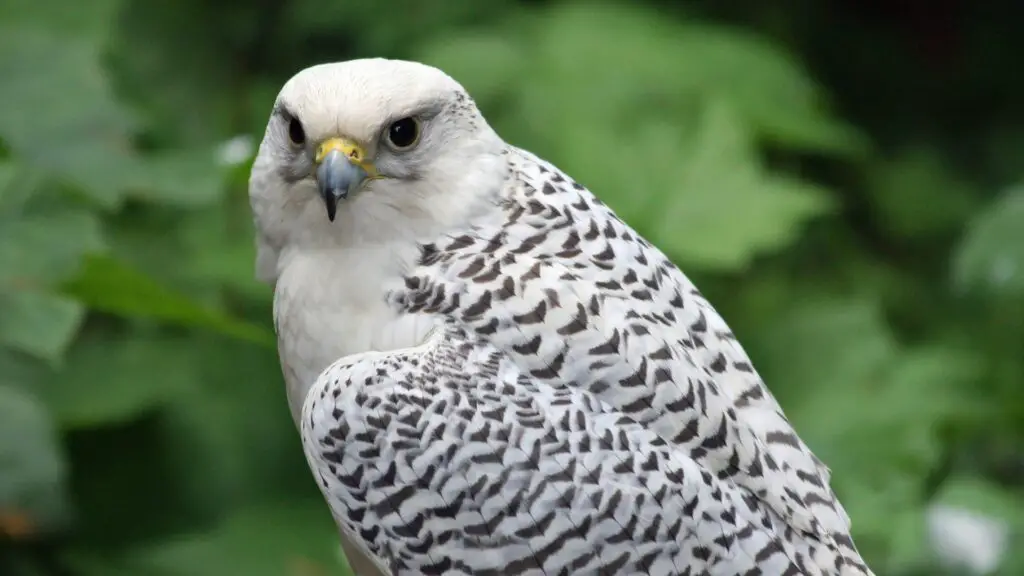
The Importance Of Proper Nutrition For Gyrfalcons
As a falconer, I know how important it is to provide proper nutrition for my gyrfalcon. A healthy diet is essential for their overall well-being and performance during hunting sessions. That’s why I make sure to pay close attention to their feeding schedule, portion control, protein sources, vitamin intake, meal preparation, and serving techniques.
When it comes to the importance of proper nutrition for gyrfalcons, there are many factors that come into play. One of the most critical elements is ensuring they receive enough nutrients without overfeeding them. Portion control is key here as giving too much food can lead to obesity and health problems down the line.
Additionally, gyrfalcons require high levels of protein in their diets due to their carnivorous nature. As such, I source only the highest quality meat for my birds – often using game or wild-caught prey – which provides them with all the necessary amino acids they need to thrive.
A List Of Everything A Falconer Feeds Their Gyrfalcon
Dealing with these birds for numerous years I understand the importance of proper nutrition for a gyrfalcon. A balanced diet is crucial to ensure that my feathered friend stays healthy and strong. To achieve this, I have developed various feeding techniques that cater to different needs and preferences.
For live prey, I often feed my gyrfalcon with small mammals like mice, rats, or rabbits. These provide essential nutrients such as protein and fat needed for energy and growth. Additionally, I also include different types of poultry, like quails and pigeons, in their diet plan. Fish like trout or salmon may also be an excellent source of omega-3 fatty acids which are beneficial for the bird’s overall health.
Depending on their activity level, I adjust their feeding schedule accordingly so they can get the right amount of calories without overfeeding them. Overall, keeping track of what my gyrfalcon eats requires careful planning and attention to detail – but it pays off in seeing them thrive under my care!
Incorporating a nutritional diet plan is vital to keep your gyrfalcon happy and healthy. It takes time to figure out what works best for your bird since not all birds eat alike.
Supplements For Gyrfalcons To Ensure They Get All Nutrients
As a falconer, I know that ensuring my gyrfalcon’s health is essential for its success in the wild. One of the ways to ensure they are getting all their necessary nutrients is by using supplements. These birds require an abundant amount of vitamins and minerals like A, D3, E, K, B12, C, niacin, pantothenic acid, riboflavin, thiamine, pyridoxine, folic acid, choline bitartrate and biotin. Additionally, they need calcium, magnesium, zinc sulphur iron cobalt, copper manganese, selenium and iodine.
Supplement options vary from powder form mixed into food to capsules given orally. Nutrient deficiencies can lead to serious health issues such as poor feather quality or weak bones which could hamper your bird’s ability to hunt effectively.
Therefore it is critical for any falconer to work with a veterinarian who specializes in avian medicine to develop a feeding schedule that ensures the bird receives all its required nutrients while avoiding over-supplementation.
How Much Should I Feed And How Many Times A Day Should I Feed My Gyrfalcon
In the majority of cases, a falconer will give assorted prey species, such as game birds and rabbits, to their gyrfalcon. Keeping food variety in check is significant in attaining a well-balanced diet. Typically, adult birds require around 1/3-1/2 pounds of food per day, split into two meals. Juveniles may require more frequent smaller meals throughout the day.
Feeding frequency and portion control are key factors in keeping your bird healthy. As for how much you should feed your raptor, it depends on many variables; the main ones are age, weight, and activity level.
How Do Falconers Prepare Their Gyrfalcon’s Food, And How Do They Serve It
There’s nothing more satisfying than preparing your own food for your gyrfalcon. It ensures that they’re getting the freshest and healthiest diet possible. Preparing their food starts with selecting the right prey. Depending on the season and availability, a falconer may choose anything from quail to rabbits as preferred hunting foods for their bird of prey.
Once caught and frozen, we thaw the prey out using lukewarm water – never microwaves or ovens, as this can cause burns on the meat. We then serve it whole – skin, bones and all – because it’s important for our birds to consume everything in their natural diet variations.
This method not only provides them with the necessary nutrients but also satisfies their instinctual need to tear apart and eat prey like they would in the wild.

What Foods To Avoid Feeding A Gyrfalcon
First and foremost, avoid feeding your gyrfalcon any kind of processed or packaged food. This includes things like chips, candy, and even bread. These types of foods are high in fat and sugar and lack the necessary nutrients that your bird needs to thrive. Avoid giving your bird any type of dairy product, such as milk or cheese, since their digestive systems cannot process lactose properly.
In addition to those main points, there are a few other items to keep off the menu when it comes to feeding your gyrfalcon:
– Avocado: This fruit contains persin, which can cause cardiac arrest in birds.
– Chocolate: Like dogs, chocolate is toxic to many animals, including gyrfalcons.
By adhering to these guidelines on what not to feed your gyrfalcon, you will help ensure that they stay healthy and happy for years to come. Remember, always consult with an expert before making significant changes to your bird’s diet!
As a falconer, I know how important it is to provide your gyrfalcon with the proper nutrition, and I hope that this post has shed light on what you should and shouldnt feed your gyrfalcon. Always keep in mind that providing your gyrfalcon with a balanced diet helps maintain their overall well-being and ensures that they stay healthy so that they can continue soaring through the skies with ease!