
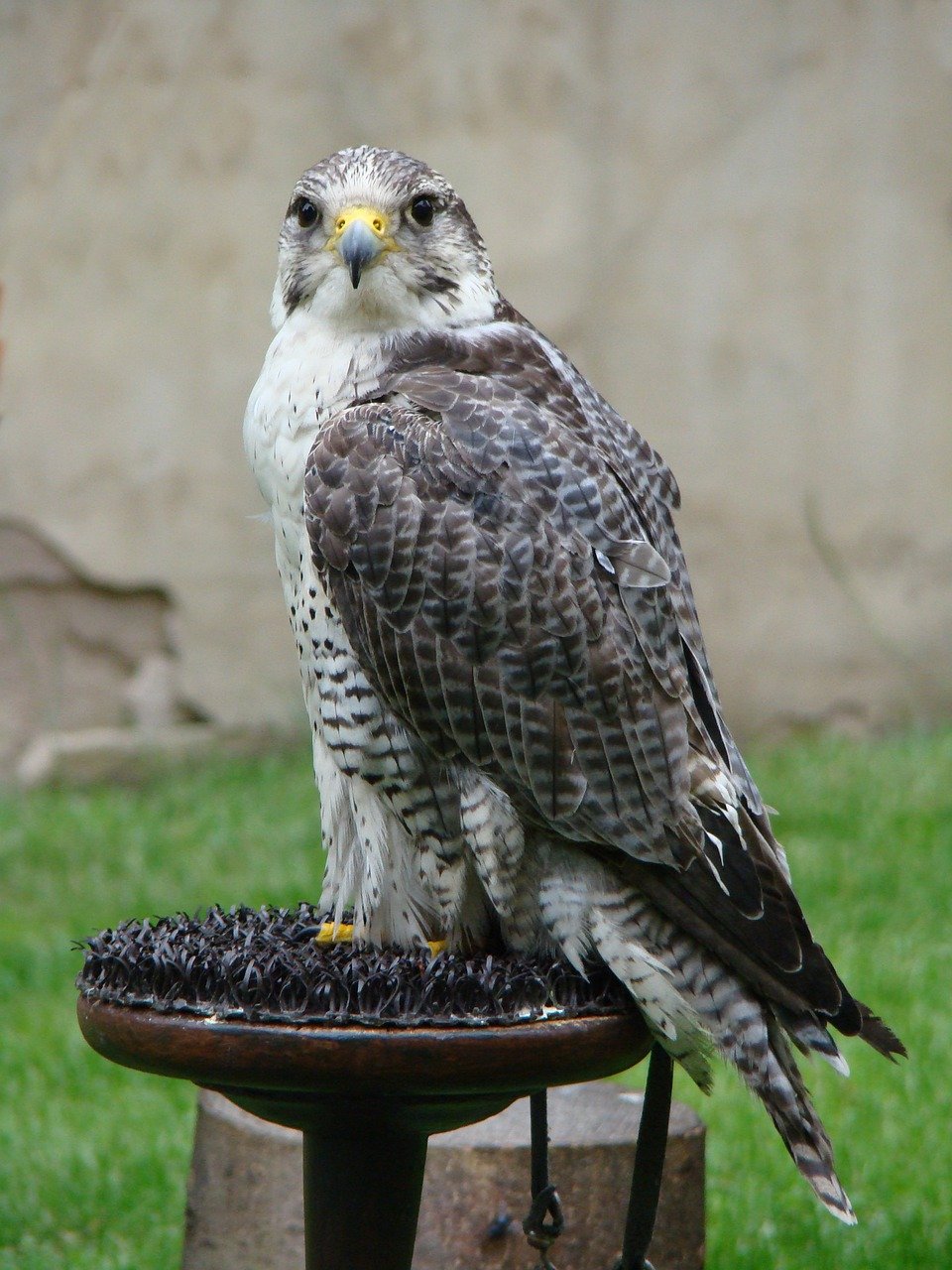
Gyrfalcons are one of the largest and most powerful falcon species, known for their impressive hunting skills. They are highly sought after by falconers and breeders for their remarkable abilities and majestic appearance.
But at what age should a gyrfalcon be bred? This is one of the most frequent questions I get asked and based of my experience I’d say the best age to start breeding a gyrfalcon is between 2-3 years old.
Why 2-3 Years Old?
There are several reasons why this age range is considered ideal for breeding gyrfalcons:
- Physical Maturity: Gyrfalcons reach their full physical maturity at around two years old. This means that they have developed all the necessary physical traits and skills for breeding, such as strong flight muscles, sharp talons, and keen eyesight.
- Sexual Maturity: Along with physical maturity, gyrfalcons also reach sexual maturity at around two years old. This is when they are ready to mate and produce offspring.
- Experienced Hunters: By the age of 2-3 years old, gyrfalcons have had enough time to hone their hunting skills and become experienced hunters. This is important for breeding as they need to be able to provide food for themselves and their offspring.
- Bonding: Gyrfalcons are monogamous birds, meaning they mate for life. Starting the breeding process at a young age allows them to establish a strong bond with their mate, which is crucial for successful breeding.
- Health: Breeding at a younger age can be physically taxing for gyrfalcons, so starting at 2-3 years old ensures that they are still in good health and able to handle the demands of breeding.
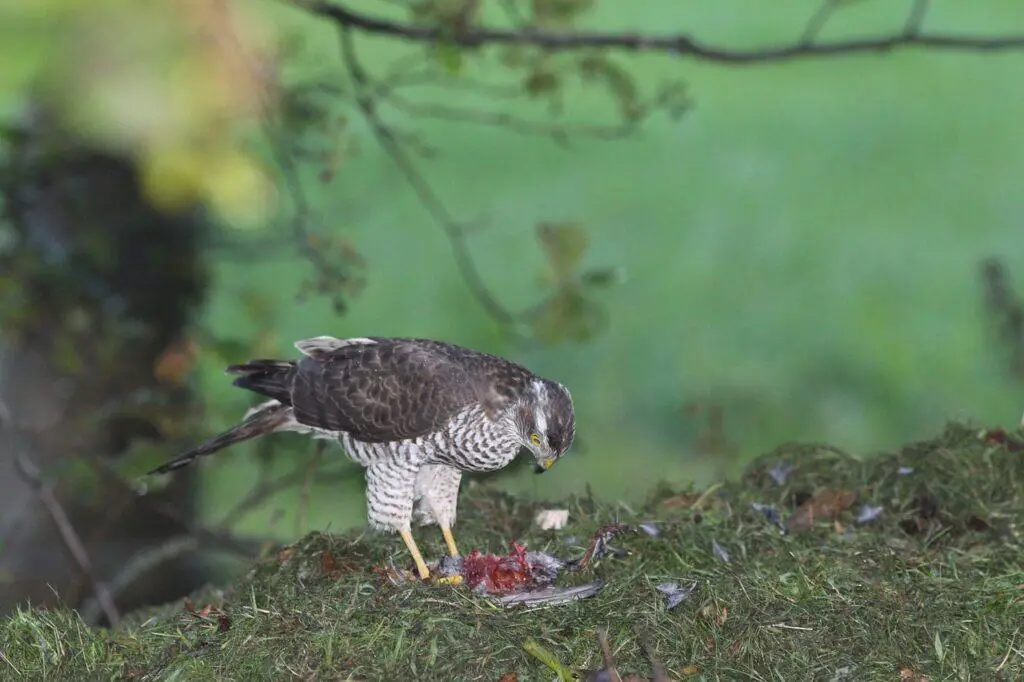
Factors to consider before breeding gyrfalcons
Before breeding gyrfalcons, it’s crucial to consider their physical maturity, behavioral readiness, and overall health. These factors play a significant role in determining the success rates of breeding attempts and the birds’ well-being.
Physical Maturity
As mentioned earlier, gyrfalcons reach their full physical maturity at around two years old. However, this can vary depending on the individual bird and its environment, such as the availability of food and the presence of predators. It’s essential to assess if the bird is fully developed and has all the necessary physical traits for breeding, including strong flight muscles, a robust immune system, and well-developed hunting skills. Proper evaluation ensures the bird is healthy and capable of contributing to the gene pool effectively.
Behavioral Readiness
Breeding is not just about physical readiness; behavioral readiness is equally important. Gyrfalcons need to display certain behaviors, such as courtship rituals and nesting instincts before they are considered ready for breeding. These courtship rituals might include specific vocalizations, aerial displays, and bonding activities between potential mates. Additionally, nesting instincts involve selecting an appropriate site, gathering materials, and constructing a secure and suitable nest. Both physical and behavioral cues are crucial for successful breeding in Gyrfalcons, ensuring the health and viability of their offspring.
Health
Breeding can be a physically demanding process for gyrfalcons, requiring significant energy and stamina. It’s crucial to ensure that the birds are in good health and free from any diseases or infections that could affect their ability to breed successfully. Regular health check-ups, a balanced diet, and a stress-free environment are essential to support their breeding efforts. Additionally, monitoring their behavior and providing the necessary care can greatly enhance their chances of producing healthy offspring.
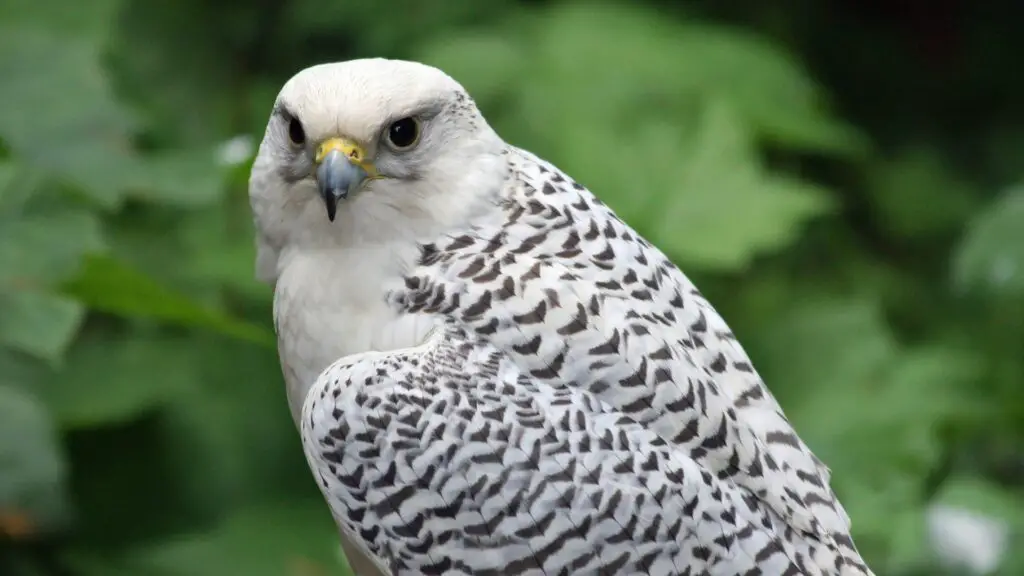
In conclusion, the best age to start breeding gyrfalcons is between 2-3 years old. By this age, they have reached physical and sexual maturity, developed strong hunting skills, and formed a strong bond with their mate. However, it’s essential to consider other factors, such as physical readiness, behavioral cues, and overall health, before breeding these birds.