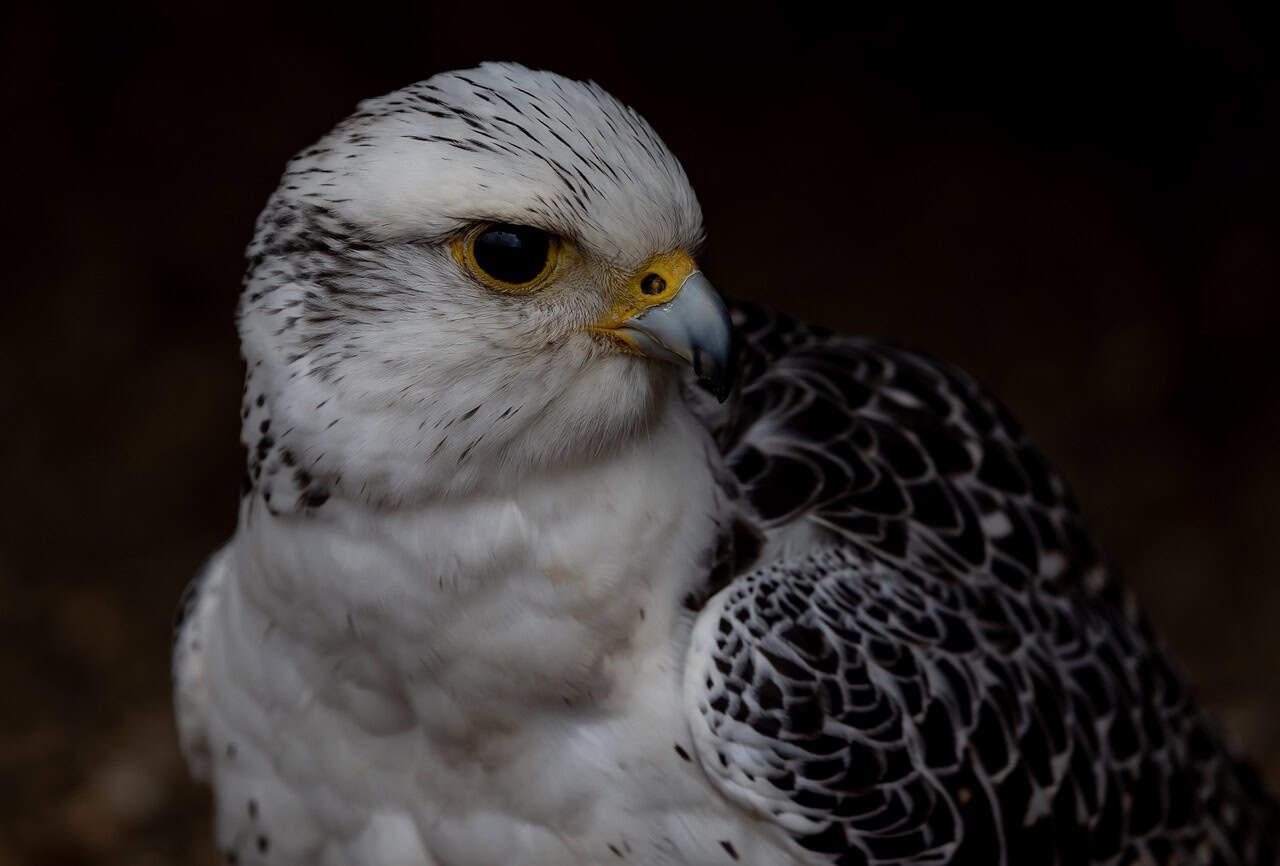
As an experienced falconer, I’ve spent years understanding and catering to the dietary needs of various birds of prey, including the Gyrfalcon. The diet of a gyrfalcon is very important for its health, hunting skills, and happiness. These big hunting birds need to eat lots of proteins and fats, just like they would catch in the wild. I’ve noticed that my gyrfalcons do well when I feed them different kinds of meat, like quail, pigeons, and other small or medium birds. It’s important to give them a natural and varied diet to keep them healthy and good at hunting.
Dietary Needs of Gyrfalcons
Gyrfalcons are one of the largest and most powerful falcon species. They originate from the arctic regions, where they hunt for a wide range of prey. In captivity, it’s essential to mimic their natural diet as closely as possible to ensure their health and well-being.
Understand what Gyrfalcons need to eat to stay healthy.
Gyrfalcons are carnivorous birds of prey that primarily feed on other birds, such as ptarmigans and waterfowl, as well as small mammals like lemmings and ground squirrels. In captivity, they need a balanced diet that includes a variety of protein sources.
Protein
Protein is essential for the growth and maintenance of muscle mass in gyrfalcons. A diet consisting of at least 90% protein will help ensure your bird stays healthy and strong. Good sources of protein for gyrfalcons include quail, pheasant, partridge, and other small game birds.
Fats
Gyrfalcons need a high-fat diet to provide them with the energy they need for flying and hunting. In the wild, they get fat from consuming whole prey animals. In captivity, it’s important to include fatty meats like quail or beef in their diet to meet their needs.
Vitamins and Minerals
Gyrfalcons require a range of vitamins and minerals to maintain their overall health. In the wild, they would obtain these from their varied diet of prey animals. In captivity, it’s crucial to provide them with supplements or vitamin-rich foods like green leafy vegetables to ensure they get all the essential nutrients they need.
Discover their preferred prey and hunting habits.
Gyrfalcons are opportunistic hunters and will prey on a wide variety of animals. In the wild, their preferred prey includes waterfowl, grouse, and ptarmigans. As falconers, it’s important to understand your gyrfalcon’s natural hunting habits to provide them with suitable prey in captivity.
Hunting Techniques
Hunting is essential for a gyrfalcon’s physical and mental well-being. In the wild, they use their speed and agility to swoop down on unsuspecting prey from above. As falconers, we must provide our birds with enough space to practice flying and hunting techniques regularly.
Importance of Variety
In the wild, gyrfalcons are opportunistic hunters and will consume whatever prey is readily available. In captivity, it’s crucial to offer them a variety of prey animals to mimic their natural diet and keep them mentally stimulated.
Designing a Balanced Diet for Gyrfalcons
Creating a balanced diet for your gyrfalcon can be challenging, but it’s crucial to their overall health and well-being. As falconers, we must consider the following factors when designing a diet plan for our birds:
- Variety: As mentioned earlier, gyrfalcons need a varied diet to obtain all the essential nutrients they need. It’s essential to offer different prey animals and alternate between them regularly.
- Quality: The quality of the food you provide your gyrfalcon is crucial. Ensure that all meat sources are fresh and free from any diseases or parasites.
- Quantity: Gyrfalcons need to consume about 5% of their body weight in prey per day. As falconers, we must keep track of their meals and adjust the quantity accordingly to maintain a healthy weight.
- Supplements: In captivity, it’s not always possible to provide the same variety of prey as they would find in the wild. Therefore, it’s essential to offer supplements or vitamin-rich foods to ensure your gyrfalcon gets all the necessary vitamins and minerals.
Learn how falconers create a diet plan for their Gyrfalcons.
I have been designing specialized diet plans for my birds of prey for years. The importance of a balanced can impact a bird’s health, behavior, and hunting abilities. A typical diet plan for a gyrfalcon in captivity may include:
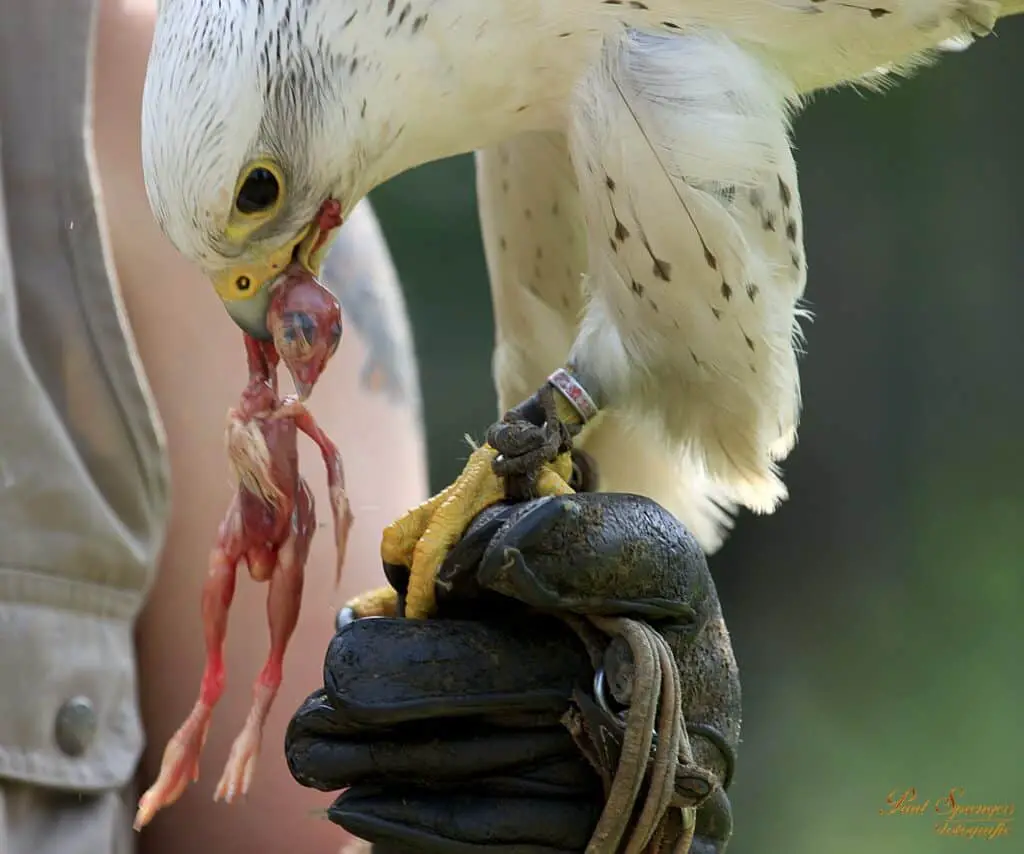
- Quail or pheasants are the primary protein source
- Fatty meats like beef or lamb for energy
- Supplements such as cod liver oil or vitamin-rich foods like leafy greens
- Occasional treats like eggs or small rodents for a variety
Here is a sample breakdown of a typical Gyrfalcon diet plan:
| Morning | Afternoon | Evening |
| Quail | Pigeon | Rat |
| Supplements | Hydration | Supplements |
This schedule provides a diverse range of prey items to fulfill the Gyrfalcon’s nutritional requirements throughout the day, supplemented with necessary vitamins and minerals for overall well-being and vitality.
Learn how falconers create a diet plan for their Gyrfalcons.
As falconers, it’s our responsibility to ensure that our birds receive the proper nutrition they need. A well-balanced diet is crucial for maintaining their health and happiness. By understanding their natural dietary needs and habits, we can create a suitable diet plan that mimics their wild diet as closely as possible. With a balanced and varied diet, your gyrfalcon will thrive in captivity and remain a skilled hunter. So, it’s essential to monitor their diet regularly and make necessary adjustments as needed to keep them healthy and happy. Therefore, always consult with an experienced falconer or avian veterinarian if you have any concerns about your gyrfalcon’s diet or health. With proper care and nutrition, your gyrfalcon will be a strong and majestic bird of prey for years to come.
Here’s how I do it:
- Understand Their Natural Diet: Gyrfalcons are birds of prey, so they eat other birds and small animals like rodents. It’s important to know what they’d naturally eat in the wild.
- Variety is Key: Just like us, Gyrfalcons need a balanced diet. So, I make sure to include different types of food like quail, pigeon, rabbit, and even some vitamins and minerals.
- Portion Control: I don’t want my Gyrfalcon to get too fat or too hungry. So, I measure out their food carefully to make sure they’re getting just the right amount.
- Healthy Treats: Sometimes, I give my Gyrfalcon special treats like bits of raw meat. But I make sure not to overdo it, just like we shouldn’t eat too many sweets!
- Consult a Vet: It’s always smart to talk to a vet who knows about birds. They can help make sure your Gyrfalcon is getting all the nutrients they need.
- Watch Their Weight: Keeping an eye on your Gyrfalcon’s weight is important. If they start getting too heavy or too light, it could be a sign that something’s wrong with their diet.
By following these steps, you can make sure your Gyrfalcon stays healthy and strong.
Explore the feeding routines followed by falconers.
I follow specific feeding routines to ensure my Gyrfalcons stay healthy and ready for hunting or flying displays. Here’s a glimpse into my feeding routines:
- Regular Feeding Schedule: Falconers usually establish a consistent feeding schedule for their birds. This might involve feeding once or twice a day, depending on the bird’s species, age, and activity level.
- Morning Feeding: Many falconers prefer to feed their birds in the morning. This ensures that the bird has enough energy for the day ahead, whether it involves hunting or training exercises.
- Balanced Diet: Falconers provide a balanced diet consisting of whole prey items such as quail, pigeons, or rabbits. They may also include supplements or vitamins to ensure the bird receives all necessary nutrients.
- Weight Management: Falconers closely monitor their birds’ weights to ensure they remain in optimal condition. Birds that are too heavy may struggle to fly efficiently, while those that are too light may lack energy.
- Prey Simulation: Some falconers simulate hunting experiences during feeding by using techniques like “lure flying.” This helps maintain the bird’s natural instincts and hunting skills.
- Training Rewards: During training sessions, falconers may use small food rewards to reinforce desired behaviors. These treats are often high-value items like small pieces of meat or favorite food items.
- Hydration: Along with food, falconers ensure their birds have access to fresh water at all times. Proper hydration is essential for the bird’s overall health and well-being.

I tailor my feeding routines to meet the individual needs of my birds, considering factors such as species, age, health, and activity level. These routines help maintain the bird’s physical condition, hunting skills, and overall welfare.
Learn about portion sizes and feeding frequencies.
This aspect will depend on several factors, including the bird’s age, size, activity level, and health condition. Here’s a general overview:
- Portion Sizes:
- The portion size is usually determined based on the bird’s weight and energy requirements. I aim to provide enough food to maintain the bird’s ideal body condition without causing obesity or malnutrition.
- A common guideline that I use is to offer prey items that amount to approximately 5-10% of the bird’s body weight per feeding. However, this can vary depending on factors like the bird’s age, health, and activity level.
- Feeding Frequencies:
- You should establish a regular feeding schedule for your Gyrfalcons, typically feeding once or twice a day.
- Young birds or birds in training may require more frequent feedings to support their growth and energy needs. They may be fed multiple times throughout the day.
- Adult birds may be fed once a day, preferably in the morning, to provide them with energy for hunting or training activities.
- I tend to adjust the feeding frequencies based on the bird’s activity level or the season. For example, during the breeding season or periods of increased activity, the bird may require more frequent feedings to meet its energy demands.
- Monitoring and Adjustments:
- Closely monitor your birds’ weight and behavior to ensure they are receiving the appropriate portion sizes and feeding frequencies.
- Adjustments to portion sizes and feeding frequencies may be made based on the bird’s individual needs, such as changes in activity level, health status, or seasonal variations in metabolism.
Overall, portion sizes and feeding frequencies for Gyrfalcons are carefully tailored to meet the bird’s nutritional requirements and support its overall health, performance, and well-being.
Special Considerations and Supplements
If you feel your bird may require supplements to maintain its health, it’s crucial to consult with a vet or an experienced falconer first. Here are some key points to keep in mind:
- Consult with a Vet: A veterinarian who specializes in birds can evaluate your bird’s diet and recommend appropriate supplements if necessary.
- Avoid Over-Supplementation: It’s essential not to over-supplement your bird as this can lead to health issues or imbalances in nutrients.
- Calcium and Vitamin D: These are crucial for bone development and eggshell formation in breeding birds. If your Gyrfalcon is not getting enough exposure to natural sunlight, it may require Vitamin D supplementation.
- Probiotics: Probiotic supplements can help maintain a healthy gut flora and aid digestion. Consult with a vet to determine if your bird would benefit from probiotic supplementation.
- Hunting and Training Supplements: Some falconers may provide additional supplements such as electrolytes or high-protein treats during hunting or training to support the bird’s energy levels.
It’s always best to consult with a professional before adding any supplements to your bird’s diet. They can help determine the appropriate supplements and dosages based on your bird’s individual needs.

Monitoring and Adjusting Diet
Monitoring and adjusting the diet of a Gyrfalcon is crucial for maintaining its health, performance, and overall well-being. I use various methods to ensure the bird’s dietary needs are met and make adjustments such as:
- Regular Weighing: I regularly weigh my Gyrfalcons to monitor changes in body weight. Sudden weight gain or loss can indicate dietary imbalances or health issues that may require diet adjustments.
- Body Condition Scoring: Assess the bird’s body condition through visual and tactile examinations. This involves evaluating the bird’s muscle tone, fat reserves, and overall appearance to determine if it is underweight, overweight, or in optimal condition.
- Behavioral Observation: I observe the bird’s behavior during feeding and training sessions. Changes in appetite, energy level, or hunting performance may indicate underlying health or dietary concerns that require attention.
- Consultation with Avian Experts: Avian veterinarians, nutritionists, or experienced falconers can consult with you to assess the bird’s dietary needs and make informed decisions about diet adjustments.
- Dietary Modifications: To ensure the bird receives adequate nutrition, this could involve changes in portion sizes, feeding frequencies, or the types of prey offered.
- Supplementation: You can supplement the bird’s diet with vitamins, minerals, or other nutritional supplements as needed to address specific dietary deficiencies or health concerns.
- Seasonal Considerations: I always make adjustments to my bird’s diet seasonally to accommodate changes in activity level, metabolic rate, or environmental factors. For example, during molting or breeding seasons, the bird’s nutritional requirements may change, necessitating adjustments to its diet.
- Record Keeping: It is important to maintain detailed records of the bird’s diet, including the types and quantities of prey offered, feeding frequencies, and any observed changes in the bird’s health or behavior. This helps track dietary trends over time and informs future dietary decisions.
By carefully monitoring the bird’s weight, body condition, and behavior and consulting with experts as needed, you can ensure that your Gyrfalcons receive a well-balanced and tailored diet that supports their health, performance, and overall welfare.
Frequently Asked Questions
Can Gyrfalcons Eat Fruits or Vegetables?
- Gyrfalcons are carnivores and do not typically eat fruits or vegetables.
Should I Provide Live Prey for My Gyrfalcon?
- Providing live prey for a Gyrfalcon is essential for their physical and mental well-being. It offers natural hunting experiences, exercise, and mental stimulation.
How Often Should I Offer Treats to My Gyrfalcon?
- I offer treats to my gyrfalcon sparingly, typically as a reward during training sessions.
Is It Safe to Feed My Gyrfalcon Insects?
- Feeding insects to a gyrfalcon isn’t recommended due to potential risks like pesticide exposure or possible indigestion. Stick to a diet of raw meat, ensuring it’s fresh and suitable for peak health.