
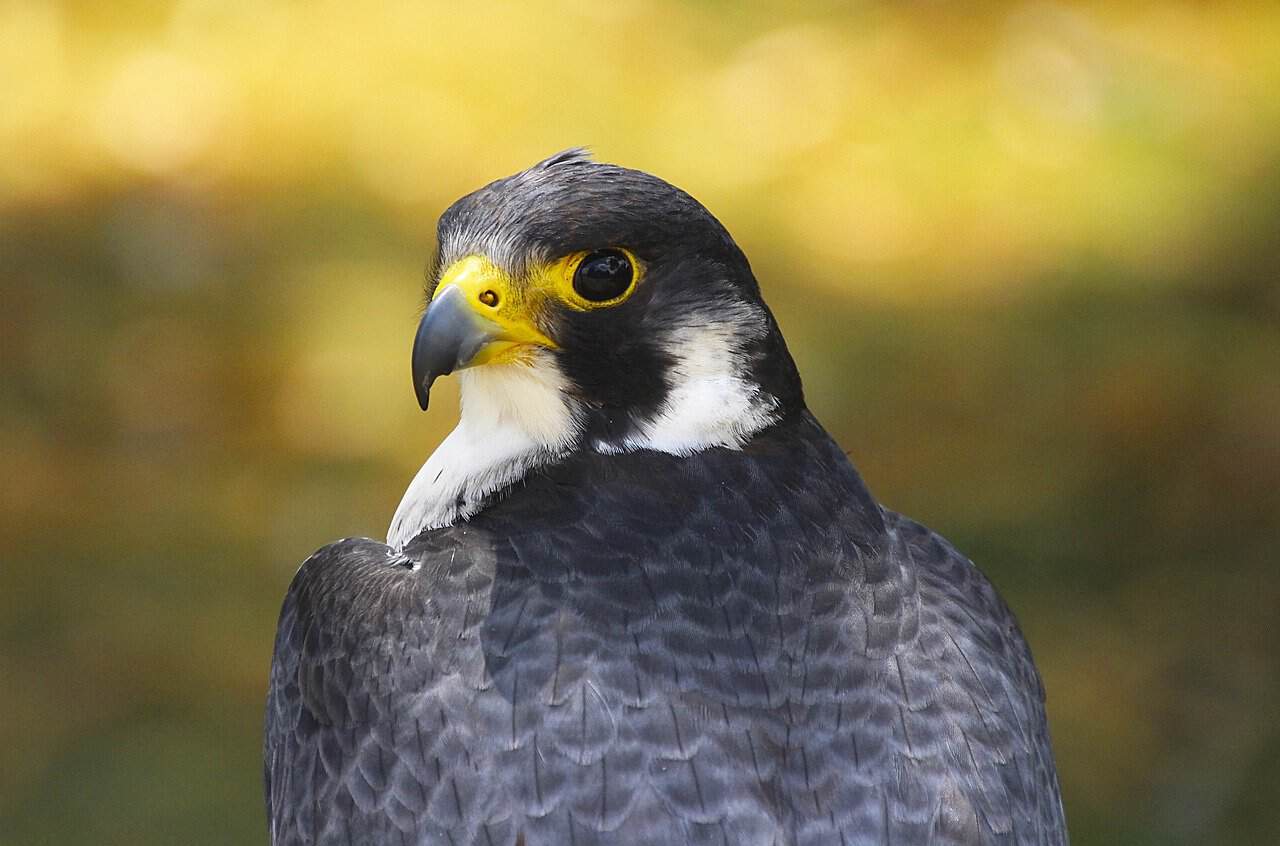
Tracing back to ancient times, Gyrfalcons in falconry represent unmatched hunting prowess and regal presence. They symbolize nobility and power, prized by cultures like Mongols, Vikings, and medieval Europeans. Their impressive size, diverse colors, and adaptability make them stand out. Gyrfalcons, with snowy white plumage and piercing eyes, have been historically favored by nobility and royalty, symbolizing wealth and status. During the Middle Ages, only Kings were allowed to fly Gyrfalcons.
The Origins of Gyrfalcons in Falconry
The Gyrfalcon’s name is derived from “Gyr,” a word meaning to turn or rotate in Old Norse. This likely refers to the bird’s ability to swiftly change direction while hunting prey in flight. The species Falco rusticolus originated in Arctic regions and was domesticated by nomadic hunters in the northern hemisphere. These birds were highly valued for their hunting capabilities, with an exceptional ability to catch prey in flight, even larger ones like hares and foxes. They were sought after by Royals for their exceptional speed, agility, and keen eyesight, making them ideal hunting companions.
Over the centuries, the tradition of using Gyrfalcons in falconry has continued to evolve, with these birds remaining highly esteemed for their grace and skill in the art of hunting.

Gyrfalcons as Royal Hunting Companions
Gyrfalcons have a long-standing history as royal hunting companions, particularly in medieval Europe. Here’s a closer look at their role in this context:
- Symbol of Prestige: Gyrfalcons were highly coveted by European nobility and royalty due to their rarity, exceptional hunting abilities, and majestic appearance. Owning and hunting with a gyrfalcon was seen as a symbol of wealth, power, and status.
- Exclusivity: They were among the most prized falconry birds, and their possession was often restricted to kings, emperors, and other high-ranking members of the aristocracy. They were considered the ultimate hunting falcon, surpassing other species in both beauty and performance.
- Specialized Training: Gyrfalcons were trained and flown by skilled falconers who were employed by royal courts. These birds underwent rigorous training to develop their hunting skills and obedience to their handlers. They were trained to pursue a variety of game, including waterfowl and small mammals.
- Royal Hunts: Gyrfalcons accompanied monarchs on hunts, which were grand affairs often attended by nobles and dignitaries. These hunts served not only as a means of acquiring food but also as displays of power and prowess. Gyrfalcons played a central role in these hunts, showcasing their speed, agility, and ability to capture prey.
- Status Symbols: The possession of gyrfalcons was often accompanied by elaborate ceremonies and rituals, further emphasizing their importance as symbols of royal authority. Falconry equipment, such as hoods and bells, was often adorned with precious metals and jewels, adding to the splendor of the falconry tradition.
- Cultural Significance: Gyrfalcons were culturally significant beyond their practical utility in hunting. They were celebrated in art, literature, and folklore as symbols of nobility, courage, and freedom. Their association with royalty contributed to their legendary status in European culture.
While the tradition of using gyrfalcons in royal falconry has evolved over time, their legacy as prestigious hunting companions to kings and queens endures as part of the rich tapestry of falconry history.
Gyrfalcons: The Largest Falcon Species
Being the largest falcon species, Gyrfalcons command attention with their impressive size and presence in the world of falconry. These birds boast a wingspan of up to 63 inches and can weigh around 1.4kg, making them notably larger than other falcon species. Their size alone sets them apart, allowing them to take down larger prey with ease and making them highly valued or falconry.
Decline and Revival of gyrfalcons
Despite its popularity in the medieval era, falconry faced challenges with the advent of firearms and changing social dynamics. By the 19th century, falconry had declined significantly in Europe, and the once-revered gyrfalcons became a rare sight. However, efforts to revive their numbers in the 20th century have also contributed to the conservation of gyrfalcons. Today, they are bred in captivity and used for both hunting and conservation purposes. Their remarkable journey through history has cemented their status as a treasured species in falconry.
To sum up, the history of gyrfalcons in falconry is a testament to their role as regal and highly esteemed hunting companions. From their origins as prized birds of nomadic hunters to their status symbol in royal courts, they continue to captivate with their grace, skill, and cultural significance. Despite facing challenges, Gyrfalcons have stood the test of time and remain an irreplaceable part of the falconry tradition.