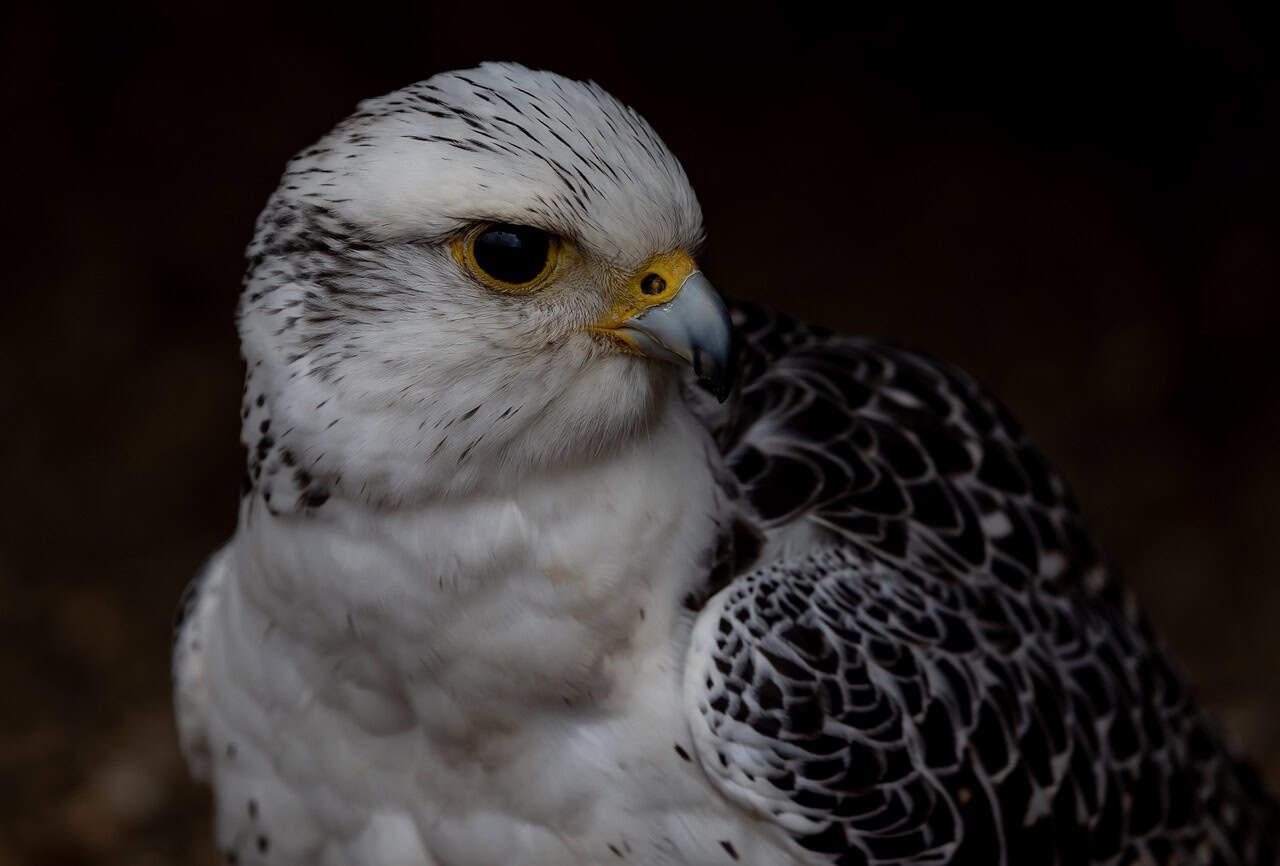
Captive Gyrfalcons can live over 25 years thanks to consistent care and protection from predators. I have my first gyrfalcon, who is still healthy and thriving at the age of 21 years. Their diet, environment, and vet care contribute greatly to their lifespan. In the wild, Gyrfalcons typically live around 13 years, facing challenges like harsh environments and food scarcity. Captive Gyrfalcons enjoy a safer and more stable life, leading to a longer lifespan. Their access to better nutrition and healthcare increases their chances of living longer.
Factors Affecting Lifespan in Captivity
Factors that greatly influence the lifespan of Gyrfalcons in captivity include their diet, living conditions, and access to proper medical care. Ensuring these factors are optimized can have a major impact on the health and longevity of these magnificent birds. Here are some key points to take into account:
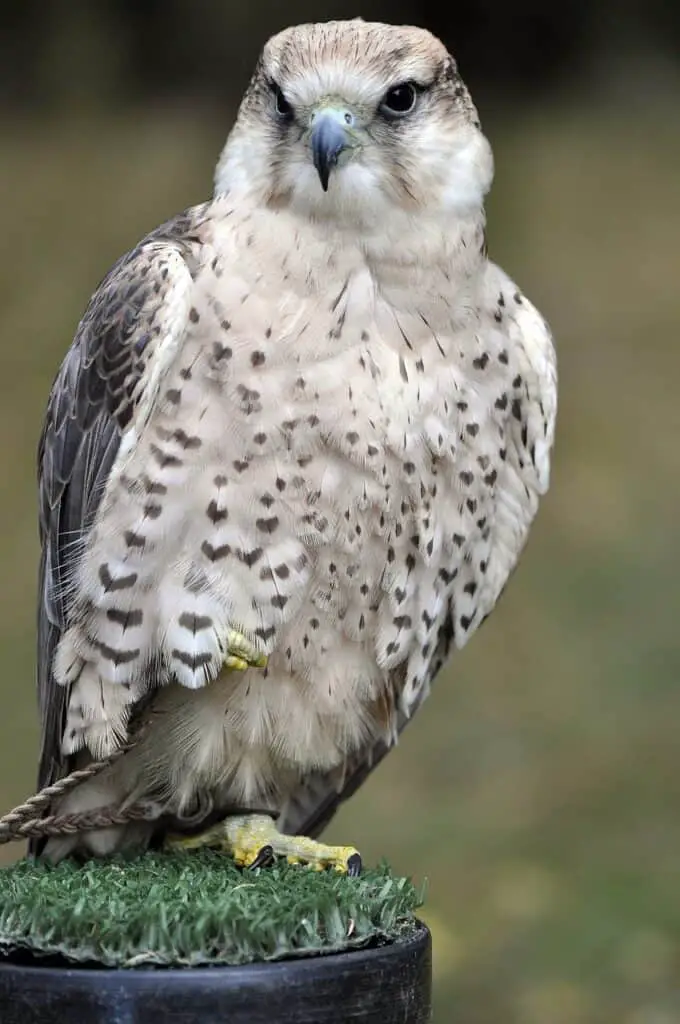
- Nutritional Balance: Providing a diet rich in essential nutrients, vitamins, and minerals is essential for maintaining the overall health of Gyrfalcons in captivity.
- Aviary Size and Design: Offering a spacious and enriching environment that mimics their natural habitat can promote physical activity and mental stimulation, contributing to their well-being.
- Veterinary Care: Regular check-ups, vaccinations, and prompt treatment of any health issues are crucial in ensuring Gyrfalcons receive the necessary medical attention to thrive.
- Social Interaction: These social birds benefit from interaction with their human caretakers or other Gyrfalcons to prevent loneliness and encourage natural behaviors.
- Environmental Enrichment: Providing opportunities for natural behaviors such as flying, hunting, and nesting can enhance their quality of life and prevent boredom or stress.
Factors Affecting Lifespan in the Wild
There are many factors that can affect the lifespan of Gyrfalcons in the wild, including natural predators, harsh weather conditions, and competition for food. Here are some key points to consider:
- Predation: Being at the top of the food chain, Gyrfalcons face little threat from predators in captivity. However, in the wild, they face potential danger from larger birds of prey, such as eagles and owls.
- Food Availability: The natural diet of Gyrfalcons consists primarily of rodents, birds, and other small mammals. In the wild, they must compete with other predators for food sources, which can be scarce in harsh environments.
- Harsh Environments: Gyrfalcons are adapted to live in extremely cold and remote regions, where harsh weather conditions can negatively impact their health. Severe winters or food shortages can significantly impact their survival.
- Human Interference: Human activities such as habitat destruction and disturbance of nesting sites can also affect the lifespan of wild Gyrfalcons by reducing their ability to find food, breed successfully, and raise offspring.
These are just a few examples of the complex factors that can impact the lifespan of Gyrfalcons in their natural habitat. But these factors massively reduce their lifespan and ability to thrive in the wild.
Common Health Issues in Captive Gyrfalcons
One of the most common issues affecting the health of captive Gyrfalcons is their susceptibility to respiratory infections. These birds are highly prone to developing respiratory problems when kept in captivity due to various factors such as poor ventilation, high humidity levels, and stress. Respiratory infections can be challenging to treat in Gyrfalcons, often requiring prompt intervention and specialized care to prevent further complications.
They are also at risk of developing nutritional deficiencies. Providing a well-balanced diet is important for maintaining the overall health and well-being of these birds. A lack of essential nutrients can lead to weakened immune systems, poor feather quality, and other health problems. Therefore, it’s essential to ensure that captive Gyrfalcons receive a diet that meets all their nutritional requirements.
Another common health issue seen in captive Gyrfalcons is obesity. Lack of exercise and overfeeding can contribute to obesity in these birds, leading to various health issues such as joint problems, heart disease, and a shortened lifespan. Monitoring their diet and providing opportunities for physical activity are crucial in preventing obesity and promoting a healthy lifestyle for captive Gyrfalcons.
Predators and Threats to Wild Gyrfalcons
In the wild, Gyrfalcons face many threats that can impact their survival and lifespan. As mentioned earlier, predation by other birds of prey poses a significant danger to these birds. There’s also;
- Natural Predators: Wild Gyrfalcons face threats from larger birds of prey, such as eagles and owls.
- Human Encroachment: Habitat destruction and human activities like logging can disrupt nesting sites and hunting grounds for Gyrfalcons.
- Climate Change: Shifts in climate patterns can affect the availability of prey species, impacting the food supply for Gyrfalcons.
- Pollution: Contamination of water sources or prey animals through pollutants like pesticides can harm Gyrfalcons indirectly.
- Illegal Poaching: Despite protective measures, Gyrfalcons are sometimes targeted by poachers for their feathers or as exotic pets. This illegal activity can significantly impact their wild populations.
There are various factors that can affect the lifespan of Gyrfalcons in both captivity and the wild. To ensure these birds live long, healthy lives, it’s essential to provide them with a suitable habitat, proper nutrition, veterinary care, and environmental enrichment. In the wild, efforts must be made to protect their natural habitats and prevent human interference to allow them to thrive.
Frequently Asked Questions
How Does Diet Impact the Lifespan of a Gyrfalcon?
- Eating a balanced diet is essential for a gyrfalcon’s lifespan. Nutrient-rich foods like quail, pigeons, and rabbits provide essential vitamins and minerals. Ensuring proper diet consistency can lead to a healthier and longer life.
What Role Does Human Interaction Play in the Lifespan of a Gyrfalcon?
- In my experience, human interaction can greatly impact a gyrfalcon’s lifespan. Positive socialization and proper care can enhance their well-being, leading to a longer and healthier life.
Can Captive Gyrfalcons be Released into the Wild?
- In some cases, captive-bred Gyrfalcons can be released into the wild to help supplement declining populations.