
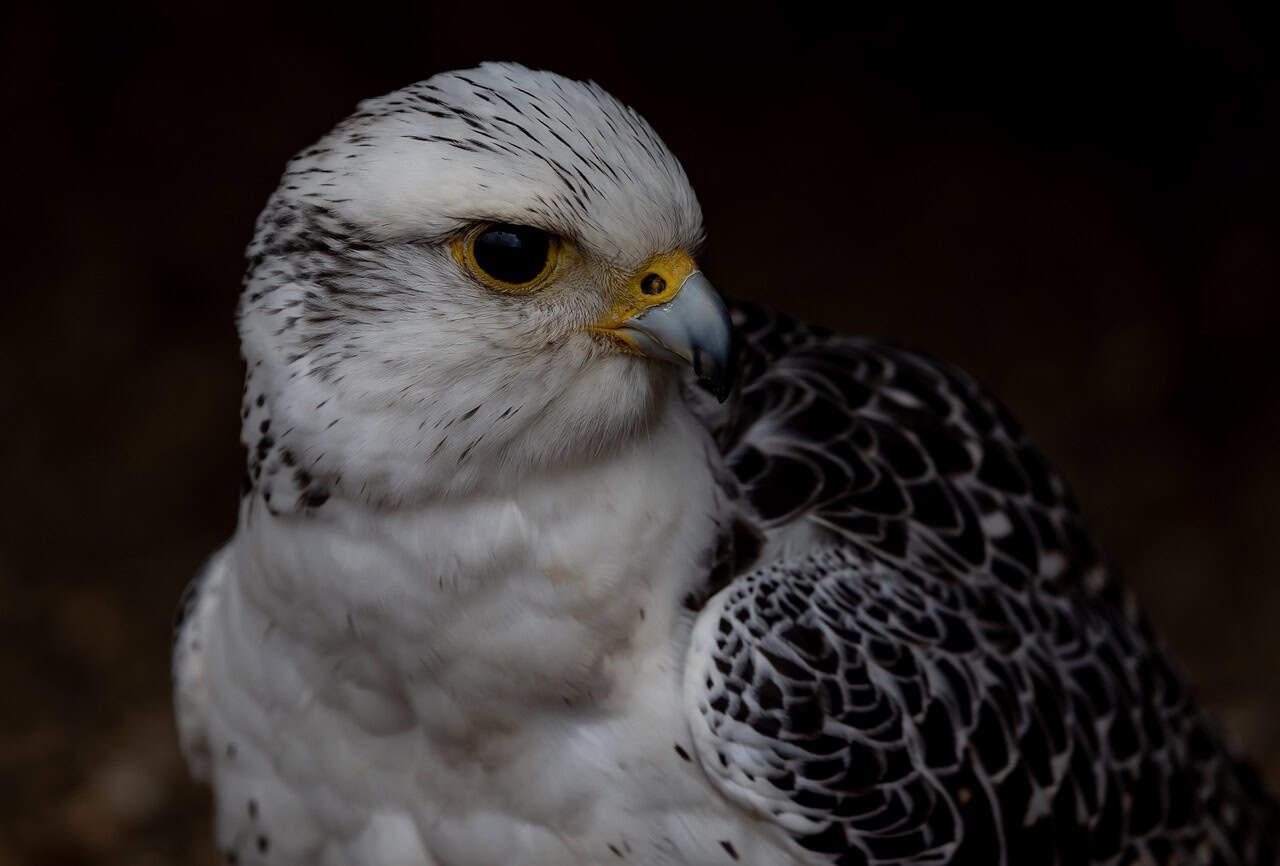
I typically remove Gyrfalcon chicks from their parents when they reach 6 to 8 weeks of age. This age range is ideal for their development and adaptability, ensuring they receive essential care and nutrients from their parents while also enabling independence under my guidance. Cues like self-feeding, reduced reliance on parents, and strong flying abilities indicate readiness for separation. Removing the chicks at this stage helps establish trust, facilitate training, and ensure their well-being.
Best Age for Separation
The best age for separating Gyrfalcon chicks from their parents may vary depending on individual falconers’ preferences and goals. However, most experts agree that the ideal age is between 6 and 8 weeks.
At this stage, the chicks have reached a critical point in their development, where they have acquired essential skills and are ready for independent living. They have also developed a strong bond with their human caretaker, making the transition to falconry training smoother.
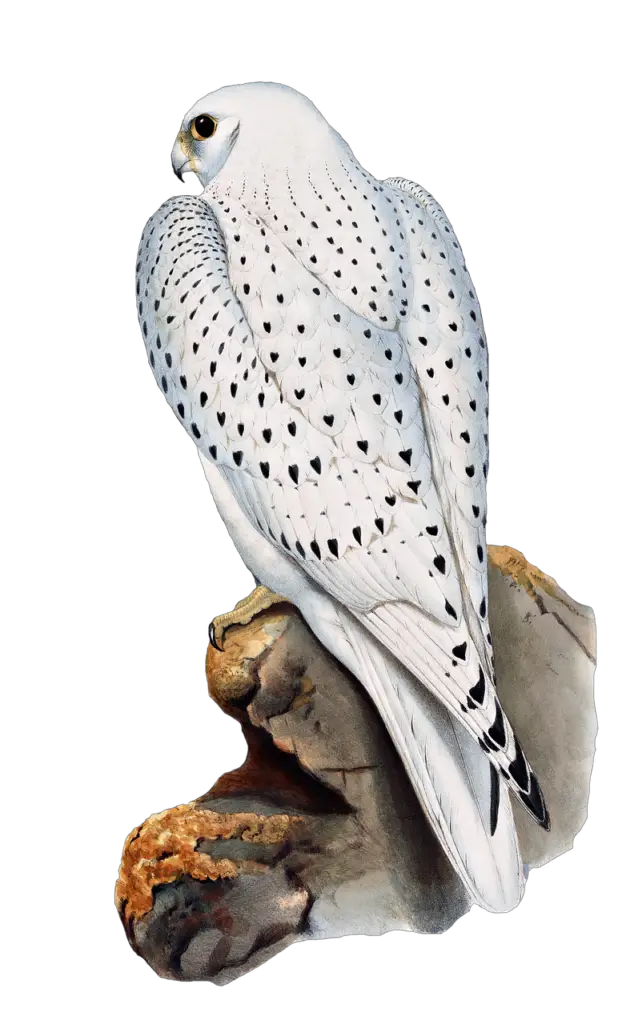
Benefits of Early Separation
There are several benefits to removing Gyrfalcon chicks from their parents at an early age. These include:
- Establishing Trust: By separating the chicks at an early stage, they learn to trust and rely on their human caretakers for food, shelter, and protection. This trust is crucial for successful falconry training.
- Facilitating Training: Younger Gyrfalcons are more adaptable and learn new skills quickly. Separating them early on allows for focused training sessions to develop their hunting abilities and strengthen their bond with the falconer.
- Ensuring Well-being: By separating the chicks at an optimal age, we can ensure that they receive proper care and attention and are not competing with their siblings for food. This helps prevent any potential health issues and ensures the chicks’ overall well-being.
How to Know When to Remove Chicks
As mentioned earlier, several cues indicate when Gyrfalcon chicks are ready for separation from their parents. I often look for cues such as:
- Self-feeding: Once the chicks can consistently feed themselves, it indicates that they are ready to be separated from their parents.
- Reduced Reliance on Parents: As the chicks grow, they become less reliant on their parents for food and shelter. This independence shows that they are developing essential skills and are ready for separation.
- Strong Flying Abilities: Young Gyrfalcons start exercising their flight muscles at around six weeks of age. As they become stronger and more confident in flying, it is a sign that they are ready to be separated from their parents.
Reasons For Removing Chicks From Parents
One primary reason for removing the chicks is to facilitate proper training. By separating them from their parents, falconers can begin imprinting desired behaviors early on, such as responding to commands and becoming accustomed to human interaction. This hands-on approach from an early age helps shape the chicks into well-adjusted and manageable falcons for future hunting purposes.
Removing the chicks allows falconers to monitor their health and growth closely. Separation enables individual attention to be given to each chick, ensuring they receive adequate nutrition, medical care, and socialization. This personalized care contributes to the chicks’ overall health and prepares them for the demands of falconry training.
Moreover, removing the chicks from their parents helps prevent potential behavioral issues that may arise from prolonged parental care. It encourages independence and self-sufficiency in the chicks, essential qualities for a successful falconry.
Can The Chicks Be Left With Their Parents
Several factors must be taken into account when considering leaving the chicks with their parents. The parental care provided by the adult falcons plays a significant role in the chick’s early stages of life. The parents are responsible for keeping the chicks warm, feeding them, and teaching them essential survival skills. Leaving the chicks with their parents allows them to learn important behaviors and hunting techniques from observing their parents.
However, there are instances where it may be necessary to remove the chicks from their parents for hand-rearing. This could be due to concerns about the parent’s ability to care for the chicks properly or if the falconer wants to imprint the chicks on themselves for training purposes.

How To Care For Chicks After Separation
Caring for chicks after separating them from their parents requires attention to their warmth, nutrition, safety, and social needs. Here is a detailed guide to ensure your chicks thrive:
- Provide Proper Housing
- Brooder Setup: I use a brooder box, which can be a large plastic tub, cardboard box, or specialized brooder. Just ensure it is spacious enough for the chicks to move around in.
- Bedding: Use pine shavings, straws, or paper towels as bedding. Avoid cedar shavings, as they can be toxic.
- Maintain Ideal Temperature
- Heat Source: Provide warmth with a heat lamp, brooder heat plate, or heating pad. Position it so that chicks can move closer or farther away to regulate their temperature.
- Temperature Guidelines: For the first week, I start with a temperature of 95°F (35°C), reducing it by 5°F (about three °C) each week until it matches the ambient room temperature or they are fully feathered (around six weeks old).
- Nutrition and Feeding
- Chick Starter Feed: Provide a high-quality chick starter feed that is specifically formulated for young chicks. It should be easily accessible at all times.
- Water: Supply fresh, clean water in a shallow dish to prevent drowning. Use a chick waterer to keep the water clean.
- Supplementation: Occasionally, you can add vitamins and electrolytes to their water, especially if they seem stressed or weak.
- Ensure Safety
- Predator Protection: Keep the brooder in a safe place away from predators, including household pets like cats and dogs.
- Secure Environment: Ensure the brooder is secure and the heat source is safely installed to prevent fires or injuries.
- Monitor Health
- Daily Checks: Observe the chicks daily for signs of illness, such as lethargy, pasty butt (dried droppings sticking to their vent), or unusual behavior.
- Cleanliness: Regularly clean the brooder to prevent the buildup of droppings and reduce the risk of disease.
- Social Needs
- Companionship: Chicks are social animals and do best in groups. Ensure they have companions to interact with to promote healthy social development.
- Handling: Gently handle the chicks to help them get used to human interaction, but avoid excessive handling, which can stress them.
- Transitioning Outdoors
- Gradual Exposure: Once they are fully feathered and temperatures are suitable, gradually introduce them to the outdoors.
- Secure Run: Ensure the outdoor run is predator-proof and provides shelter from the elements.
- General Tips
- Observe Behavior: Happy, healthy chicks will be active and eat and drink regularly. If they are huddled together under the heat source, they are likely too cold; if they are spread out away from it, they might be too hot.
- Routine: Establish a routine for feeding, cleaning, and health checks to ensure the chicks are consistently well cared for.
By following these guidelines, you can provide a safe and nurturing environment for your chicks, helping them grow into healthy, productive adult chickens.