

The molting season for Gyrfalcons typically happens in late spring or early summer. During this time, they shed old feathers to make way for new ones, boosting their overall health and flying abilities. It’s crucial to keep an eye on their feather condition and maintain a balanced diet and stress-free environment. Some signs that I look out for are restlessness, sensitivity, and changes in appetite that can indicate their molting process. I’ve learned that factors like temperature and daylight play a big role, as warmer weather and longer daylight hours trigger the hormonal changes necessary for molting.
Gyrfalcons’ Molting Season and Feather Changes
As I’ve mentioned, Gyrfalcons go through their molting season in late spring or early summer. This is a crucial time for them as it allows them to improve their flying abilities and overall health. During this period, they undergo significant physical changes, particularly in their feathers.
Feathers play a vital role in the life of any bird. They provide insulation, help with flying and hunting, and protect against the elements. Therefore, it’s essential to pay attention to feather conditions during the molting season.
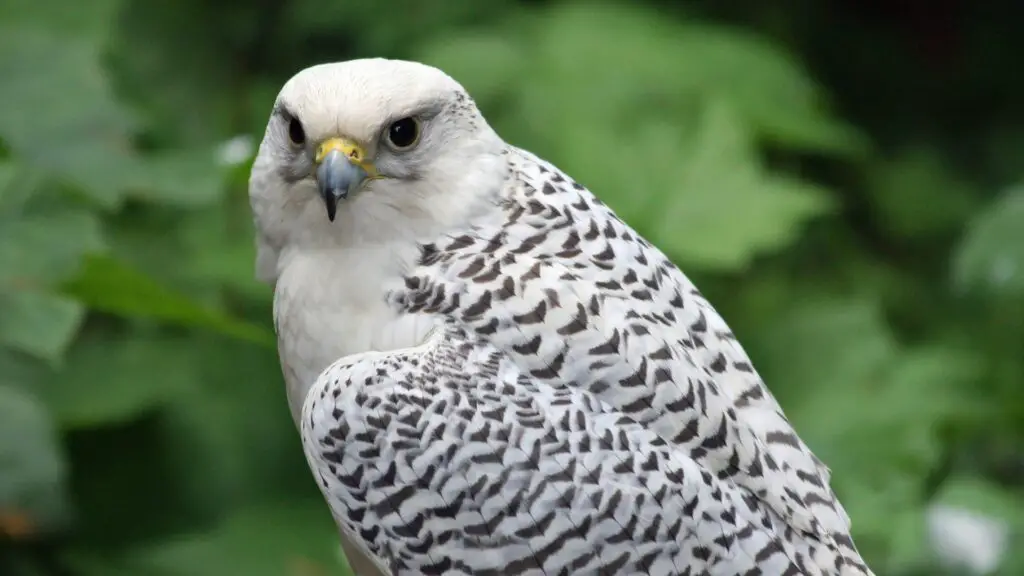
Molting can be a gradual process, and not all feathers are shed at once. This helps ensure that the birds can still fly and hunt effectively while they are molting. For young Gyrfalcons, the first molt after their juvenile plumage can be especially significant as they transition to their adult coloration and feather structure.
Telltale signs during molting season: Behavioural changes during molting season
During the molting season, Gyrfalcons show several telltale signs and behavioral changes. Recognizing these changes is important for ensuring their well-being and managing their needs effectively. Here are some common behavioral changes and signs that I’ve noticed when my Gyrfalcon is molting:
- Reduced Activity Levels
- Energy Conservation: Gyrfalcons tend to reduce their activity levels during molting to conserve energy for feather regeneration.
- Less Frequent Flights: They may fly less frequently and for shorter durations.
- Increased Resting and Preening
- Resting: Gyrfalcons may spend more time resting, as molting requires significant energy.
- Preening: Increased preening activity is common as the falcon takes care of its new feathers and removes old, loose ones.
- Changes in Appetite
- Increased Food Intake: Some Gyrfalcons may eat more to meet the higher nutritional demands of feather growth.
- Selective Eating: They might become more selective about their food, preferring nutrient-rich options.
- Changes in Appearance
- Feather Loss: Visible gaps in the plumage, particularly in the wings and tail, indicate active molting.
- New Feather Growth: The appearance of new pin feathers (blood feathers) is a clear sign of molting.
- Behavioral Signs of Discomfort
- Scratching and Itching: Molting can cause itchiness, leading to more frequent scratching.
- Restlessness: Some Gyrfalcons may show signs of restlessness due to the discomfort of growing new feathers.
- Reduced Hunting Efficiency
- Less Agile: With gaps in their feathers, Gyrfalcons may be less agile and effective in flight.
- Easier Prey: They might target easier or smaller prey that requires less effort to catch.
- Changes in Vocalization
- Increased Vocalization: Some falcons may vocalize more frequently, possibly due to discomfort or a need for attention.
- Increased Need for Solitude
- Seeking Isolation: Gyrfalcons may seek more solitude during molting, preferring to stay in quieter, less stressful environments.
- Temperament Changes
- Irritability: Due to the physical discomfort of molting, some Gyrfalcons may become more irritable or less tolerant of handling.
Managing Molting Season
To support a Gyrfalcon during its molting season, consider the following practices:
- Provide a Nutrient-Rich Diet: Ensure the falcon’s diet is rich in proteins, vitamins, and minerals to support feather growth.
- Minimize Stress: Create a calm and safe environment to reduce stress, which can adversely affect molting.
- Regular Health Checks: Monitor the falcon’s health and feather development to address any issues promptly.
- Adjust Training Routines: Reduce the intensity and frequency of training sessions to accommodate the falcon’s lower energy levels.
- Hydration: Ensure the bird has access to fresh water, as hydration is crucial for overall health during molting.
Understanding and recognizing the telltale signs and behavioral changes during the molting season is crucial for the well-being of Gyrfalcons. By providing appropriate care and adjustments to their routines, falconers, and caretakers can help their birds navigate this demanding period successfully, ensuring they emerge with a healthy, renewed set of feathers.
Environmental Factors: Discuss how temperature and daylight affect the molting season for Gyrfalcons.
Over the years, I have noticed how environmental factors such as temperature and daylight play a significant role in influencing their molting process. The timing of molting season for Gyrfalcons is closely tied to these environmental cues. As temperatures begin to rise in the spring, Gyrfalcons sense the change and prepare for molting. The warmer weather triggers hormonal changes that signal the falcons to shed their old feathers and grow new ones.
The lengthening daylight hours also signal the start of the molting season. The increased daylight acts as a natural cue for Gyrfalcons to begin the molting process. With more hours of sunlight, the birds have the energy needed to support feather growth and renewal. In colder regions where Gyrfalcons reside, the changing temperatures and daylight patterns are crucial for ensuring that molting occurs at the right time to prepare the birds for the upcoming hunting season.
However, if they are not optimal, these factors can also have adverse effects on the molting process. Rapid temperature fluctuations or prolonged periods of extreme temperatures can cause stress and disrupt normal feather growth. Similarly, a lack of access to natural sunlight or artificial lighting that does not mimic natural daylight patterns can also delay or hinder molting.
Therefore, it’s important for falconers and caretakers to closely monitor and manage these environmental factors during molting season to support the well-being of their Gyrfalcons. This includes providing appropriate shelter from extreme temperatures, ensuring adequate access to natural daylight or using artificial lighting that mimics natural patterns, and adjusting care practices based on any changes in environmental conditions.
In conclusion, the molting season is a natural and essential process for Gyrfalcons. It allows them to maintain their beautiful plumage and prepare for the upcoming hunting season. As caretakers of these birds, it is our responsibility to understand and support them during this physically demanding time.