
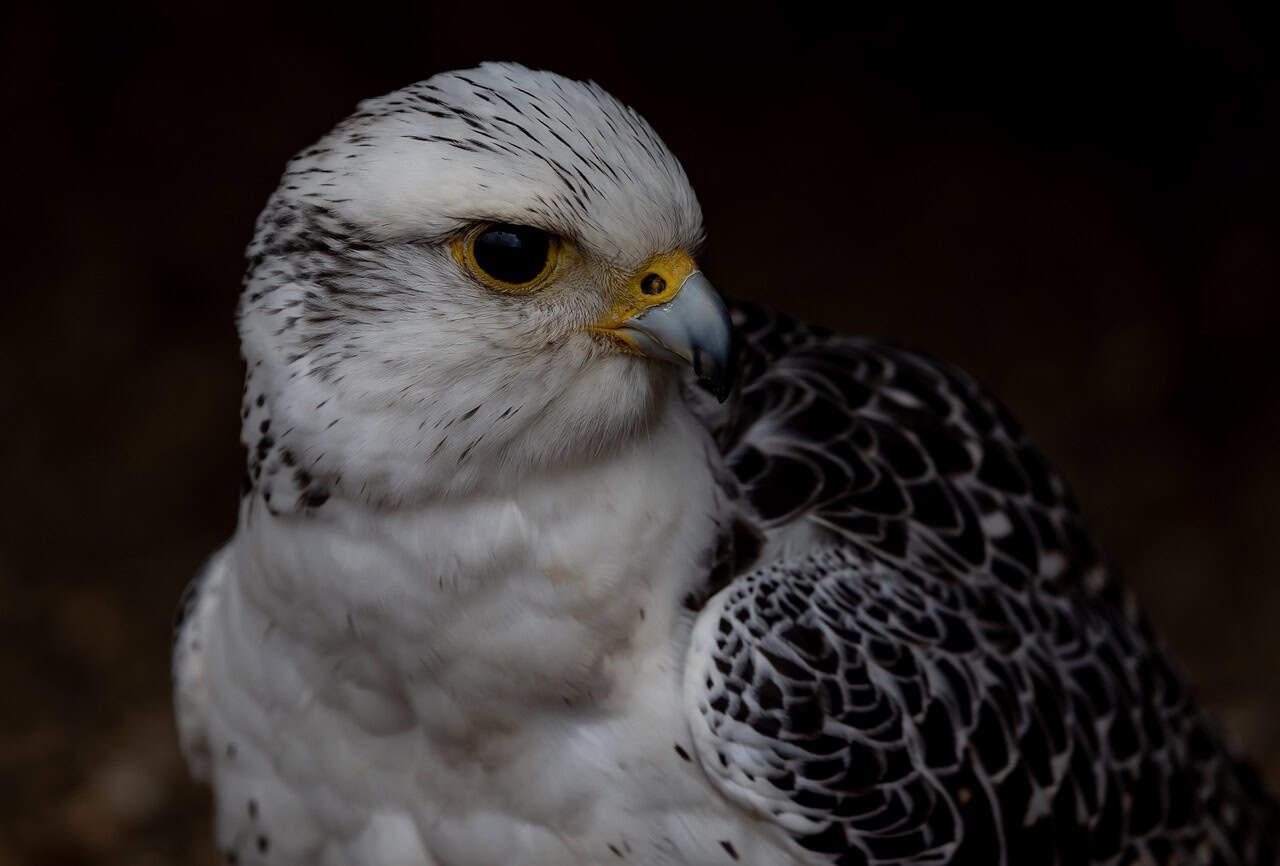
The decision of when to begin free flight training with a gyrfalcon is a crucial one. It requires careful consideration and planning, as it involves the safety and well-being of both the bird and the falconer.
I only begin when my Gyrfalcon shows strong recall, is comfortable wearing a radio transmitter, and has a solid foundation of basic training. This usually takes around six months to a year, depending on the individual bird’s progress.
Factors to Consider Before Beginning Free Flight Training
Free flight training is an essential aspect of falconry that requires careful preparation and consideration. Before beginning free flight training with a gyrfalcon, several factors need to be taken into account to ensure the bird’s safety, well-being, and successful training outcomes. Here’s a breakdown:
Health and Condition
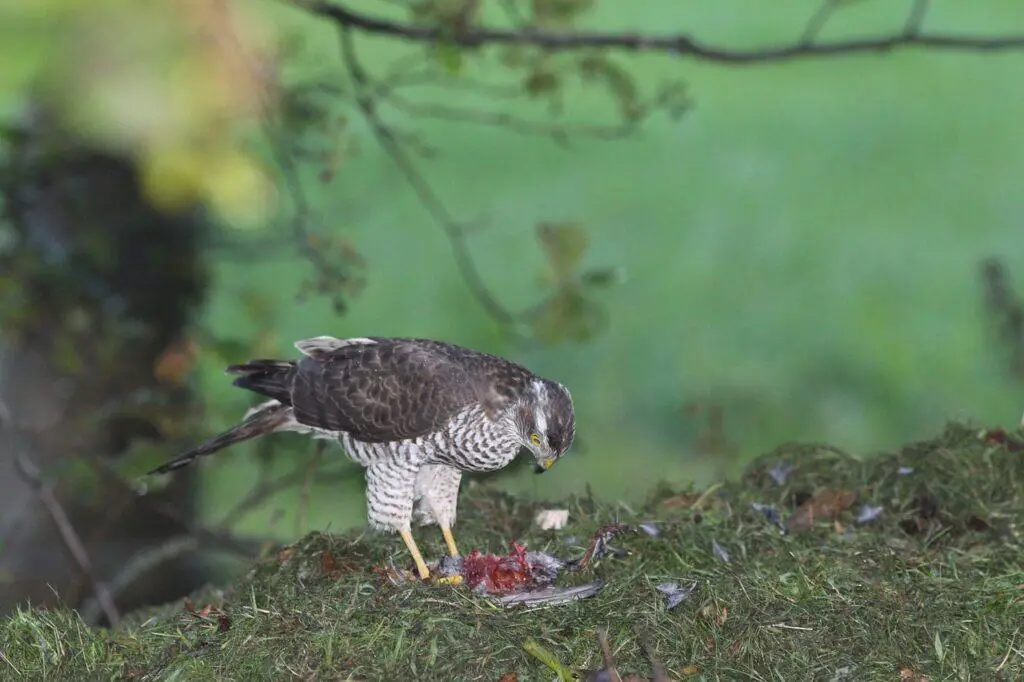
- Physical Health: Ensure the Gyrfalcon is in excellent health.
- Weight Management: Maintain the bird at an appropriate flying weight. Gyrfalcons should be neither too heavy nor too light; their weight should be optimal for effective flight and motivation.
Training and Behavior
- Tameness and Trust: The Gyrfalcon should be comfortable and trusting of the falconer.
- Recall Training: The bird should have a solid foundation in basic training, including recall training.
- Equipment Familiarity: The Gyrfalcon should be comfortable wearing equipment such as jesses, anklets, leashes, and bells.
- Radio Transmitter Acclimation: The bird should be familiar with wearing a radio transmitter and comfortable with its weight and feel.
Environmental Factors
- Location: Choose a safe training area away from busy roads, power lines, and other hazards. The area should be open, with few obstacles that could pose a risk to the bird.
- Weather Conditions: Pay attention to weather conditions. Avoid training in extreme weather, such as high winds, heavy rain, or intense heat, which can be dangerous for the bird.
- Predators and Dangers: Be aware of potential predators in the area, such as larger raptors, which could pose a threat to the Gyrfalcon.
Equipment
- Telemetry: Use reliable telemetry equipment to track the bird. This is crucial for locating the bird if it flies out of sight or gets lost.
- Perches and Lures: Ensure you have appropriate perches and lures to use during training. The lure should be enticing and used consistently to reinforce training.
Falconer’s Skills and Experience
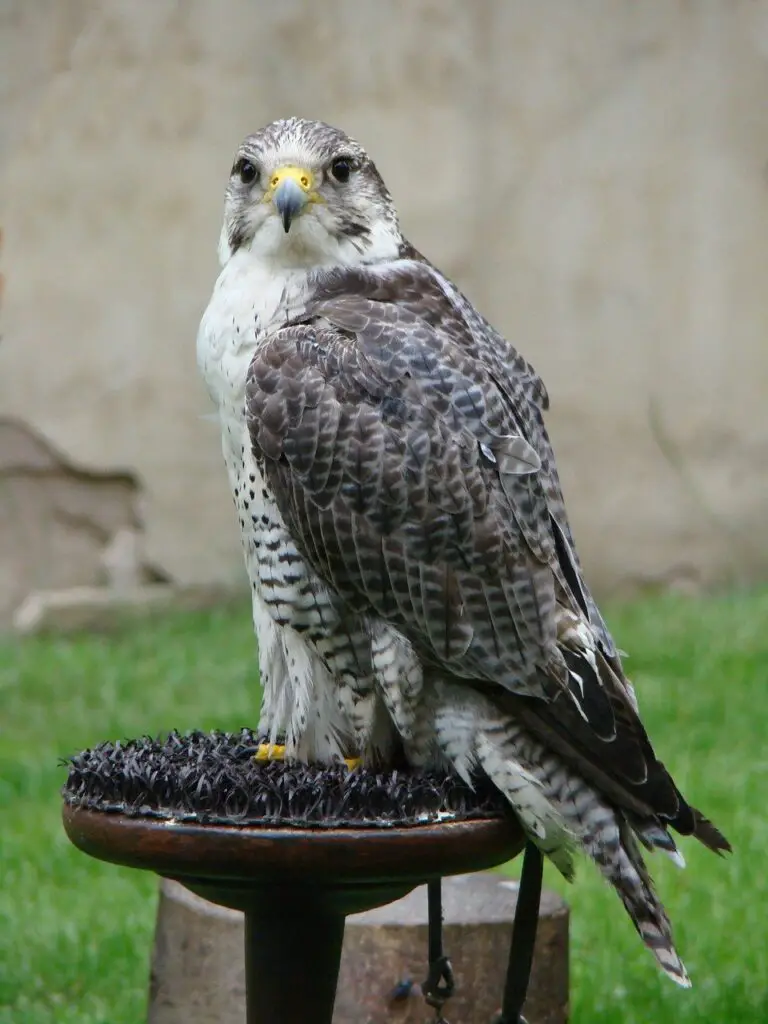
- Experience Level: Assess your own experience and skill level as a falconer. Free flight training requires significant expertise. If you are inexperienced, seek guidance from a more experienced falconer or mentor.
- Patience and Commitment: Be prepared for a time-consuming and potentially challenging process. Free flight training requires patience, consistency, and a commitment to the bird’s training schedule.
Safety Measures
- Emergency Plan: Have a plan in place for emergencies, such as if the bird gets lost or injured. This includes having contact information for local wildlife rehabilitators or veterinarians.
- Observation: Closely observe the bird during training sessions to quickly identify any signs of distress, fatigue, or disorientation.
Recognizing specific telltale signs from your Gyrfalcon indicating readiness for free flight training involves careful observation of its behavior, physical condition, and responses during training sessions. Here are the key signs to look for:
Signs That Your Gyrfalcon is Ready For Free Flight Training
Behavioral Signs
- Eagerness to Train:
- The falcon shows enthusiasm and eagerness to participate in training sessions, often coming readily to the glove or lure without hesitation.
- Consistency in Response:
- The bird consistently responds to basic commands and performs desired behaviors reliably, indicating it understands and is comfortable with the training routine.
- Focus and Attention:
- The falcon remains focused and attentive during training, demonstrating a clear interest in the tasks and the trainer without being easily distracted by external stimuli.
- Calm Demeanor:
- The bird exhibits a calm and composed demeanor when handled and during training, without signs of excessive stress, fear, or aggression.
Physical Signs
- Optimal Flying Weight:
- The falcon maintains its optimal flying weight, neither too heavy nor too light, which is crucial for efficient and safe flight.
- Good Feather Condition:
- The bird’s feathers are in excellent condition, without damage or molting that could hinder its flying ability.
- General Health:
- The falcon is in overall good health, free from illnesses, injuries, or parasites that could affect its performance or well-being.
Training Progress
- Successful Creance Training:
- The falcon has successfully completed creance (long-line) training, showing strong and confident flight on the line with a reliable return to the trainer.
- Responsive to Lure:
- The bird responds promptly and enthusiastically to the lure, demonstrating strong motivation and conditioning.
Quickly Comfortable With Surroundings
- Comfort with Outdoor Stimuli:
- The falcon is comfortable and confident in outdoor environments and is not easily startled by new sights, sounds, or weather conditions.
- Exploratory Behavior:
- The bird shows a healthy curiosity and confidence when exposed to new environments, a sign that it can handle the unpredictability of free flight.
Equipment Familiarity
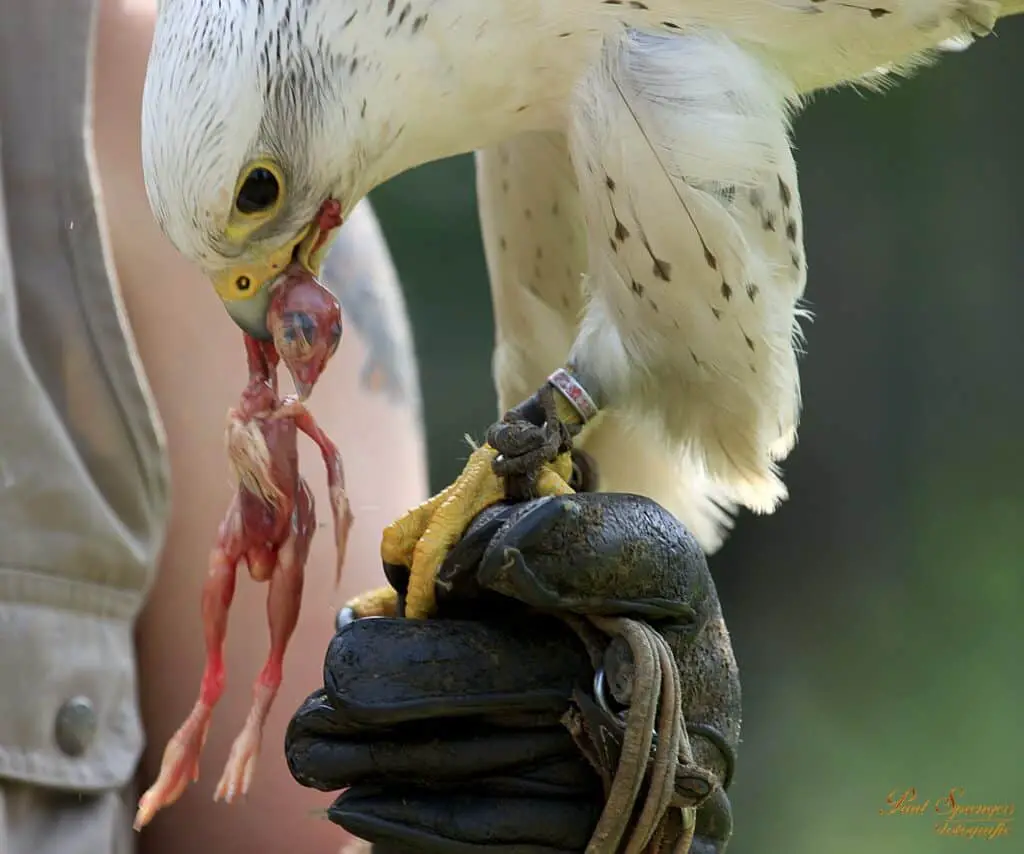
- Comfort with Gear:
- The falcon is accustomed to wearing its equipment, including anklets, jesses, and telemetry gear, and is not hindered or stressed by it.
- Experience with Telemetry:
- The bird has been trained with telemetry equipment, ensuring that it is familiar and comfortable with the tracking devices essential for free flight.
Recognizing these signs in your Gyrfalcon is an important step toward determining if the bird is ready for free flight training. If you find yourself ticking all the boxes as you’ve read through the article, then you can be confident that your Gyrfalcon is ready to take the next step and experience the thrill of flying freely in its natural environment.