Harris Hawks can become aggressive, but they can be kind, cooperative companions in falconry with the right approach. Through proper training and positive reinforcement, they can flourish into well-behaved partners. While aggression can surface due to factors like diet or stress, effective management techniques can keep it at bay. Recognizing signs of aggression, understanding their behavior, and consistent socialization are key. Let me elaborate further with the information laid out below.
Understanding Harris Hawks’s Behavior to Manage Aggression in Falconry
Harris Hawks, also known as “wolves of the sky,” are social animals living in “coveys.” They have a unique hunting style where they work together to catch prey, making them one of the few raptor species that hunt cooperatively.
Their cooperative nature extends to their relationship with humans. Harris Hawks can form strong bonds with their handlers and are known for their intelligence, problem-solving skills, and adaptability. However, like animals, they can exhibit aggressive behavior if they feel threatened or stressed.
Recognizing Signs of Aggression
Harris Hawks are generally docile birds and can display subtle signs of aggression that may go unnoticed. Some common signs of aggression include biting, hissing, lunging, or fluffing up feathers. These behaviors can indicate discomfort, fear, or territoriality.
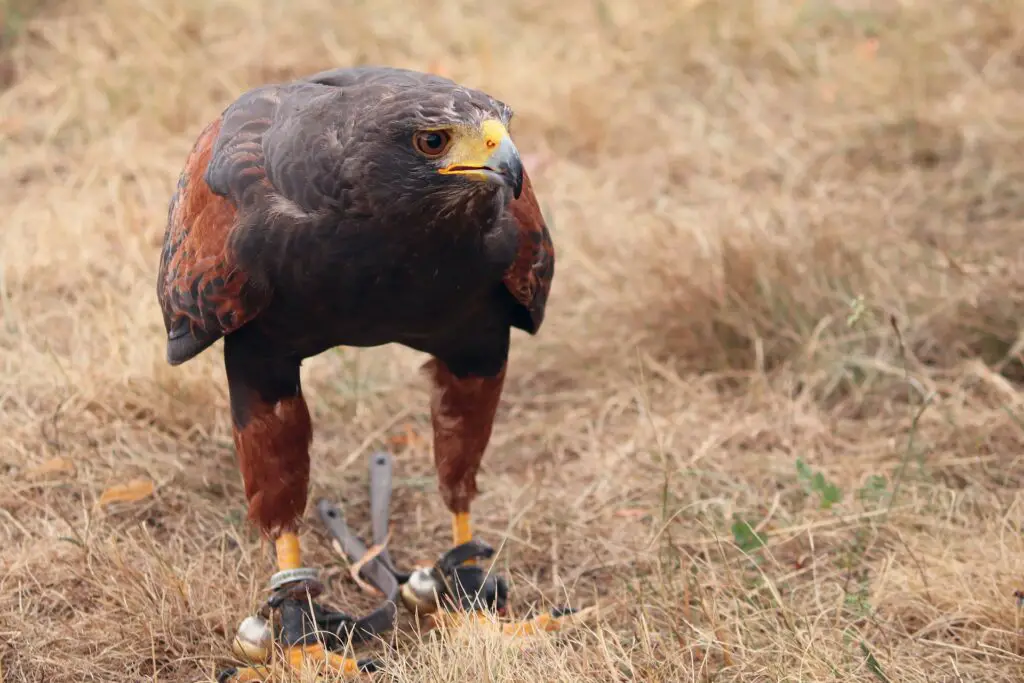
Paying attention to the bird’s body language is crucial, as it can communicate their emotions and intentions. For example, an agitated Harris Hawk may lower its head, pin its eyes, or puff up its chest feathers. Recognizing these signs early on can prevent a potentially dangerous situation.
Understanding Factors that Contribute to Aggression
Several factors contribute to aggressive behavior in Harris Hawks. These include:
- Diet: A well-balanced, nutritious diet is crucial for a Harris Hawk’s physical and mental health. A lack of proper nutrition leads to stress and aggression.
- Stress: Stressful situations, such as overcrowding or loud noises, can cause a Harris Hawk to become agitated and display aggressive behaviors.
- Lack of socialization: Harris Hawks are social animals and need frequent interaction with humans and other birds to feel comfortable and secure. A lack of socialization makes them anxious, leading to aggressive behavior.
Managing Aggression in Harris Hawks
Effective management techniques can help prevent or control aggression in Harris Hawks. These include:
- Positive reinforcement training: Using positive reinforcement techniques like rewards and treats can encourage positive behavior and help build a strong bond between the handler and the bird.
- Proper diet: Providing a well-balanced, nutritious diet can reduce stress and promote good physical and mental health in Harris Hawks.
- Stress management: Avoiding or minimizing stressful situations, such as excessive noise or overcrowding, can help keep Harris Hawks calm and prevent aggressive behavior.
- Regular socialization: Regular interaction with humans and other birds can help Harris Hawks feel comfortable and secure, reducing the likelihood of aggressive behavior.
| Technique | Description | Example |
| Positive Reinforcement | Rewarding desired behaviors to encourage their repetition and strengthen the bond with the hawk. | Offering treats after a successful training session. |
| Behavioral Modification | Changing unwanted behaviors through conditioning and training methods. | Redirecting aggressive behavior towards a more appropriate outlet. |
| Handling Techniques | Proper ways to handle and interact with the hawk to minimize stress and prevent aggressive responses. | Using calm movements and a confident demeanor during interactions. |
| Aggression Prevention | Implementing strategies to identify triggers and prevent situations that may lead to aggressive behavior. | Recognizing signs of stress and removing the hawk from stressful environments. |
Do Harris Hawks Make Good Pets?
Due to their complex social nature and specialized care requirements, Harris Hawks present unique challenges as pets. Pet suitability for a Harris Hawk requires a deep understanding of their innate behaviors and the ability to provide proper training methods. Establishing a bond with these magnificent birds is a rewarding but time-consuming process that demands patience and consistency. Social interaction is crucial for their well-being, as they thrive on companionship and need regular mental stimulation. However, their strong natural instincts can pose behavioral challenges that must be addressed through positive reinforcement techniques.

When considering Harris Hawks as pets, it’s essential to acknowledge that they are not the typical domesticated animals and require high commitment. Training methods should focus on building trust and respect while maintaining boundaries to foster a healthy relationship. The bonding process involves spending quality time together and engaging in activities that strengthen the human-hawk connection. Understanding their social dynamics and providing adequate mental and physical stimulation is key to overcoming behavioral challenges and ensuring a fulfilling companionship with these remarkable birds. If you cannot commit to the above-mentioned, then a Harris hawk wouldn’t be a good pet, but if you can commit and have experience in handling raptors, then a Harris hawk would make a great pet.
Are Harris Hawks Friendly?
Let me start by saying that wild Harris hawks are generally not friendly, but in falconry, I have found that their friendliness is deeply rooted in their social nature and ability to form strong bonds with their human companions. When it comes to interacting with these majestic birds of prey, employing effective training techniques, socialization methods, bonding exercises, proper handling tips, and positive reinforcement is crucial in nurturing a friendly and cooperative relationship.
Here is a breakdown of key factors that contribute to fostering a friendly bond with Harris Hawks:
| Factors | Description |
| Training techniques | Using reward-based training methods to reinforce desired behaviors. |
| Socialization methods | Exposing the hawk to various environments and stimuli in a controlled and positive manner. |
| Bonding exercises | Spending quality time together, engaging in activities that promote trust and companionship. |
| Handling tips | Ensuring gentle and confident handling builds trust and reduces stress for the hawk. |
| Positive reinforcement | Rewarding desired behavior with treats or praise to encourage positive interactions |
In my experience, Harris hawks can exhibit aggressive behavior, especially when feeling threatened or stressed. However, this aggression can be managed effectively with proper training, handling, and knowledge of their behavior. It is important for falconers to know the signs of aggression and work with their birds to build a strong relationship based on trust and respect. With the right approach, Harris hawks can make wonderful companions in the world of falconry.