
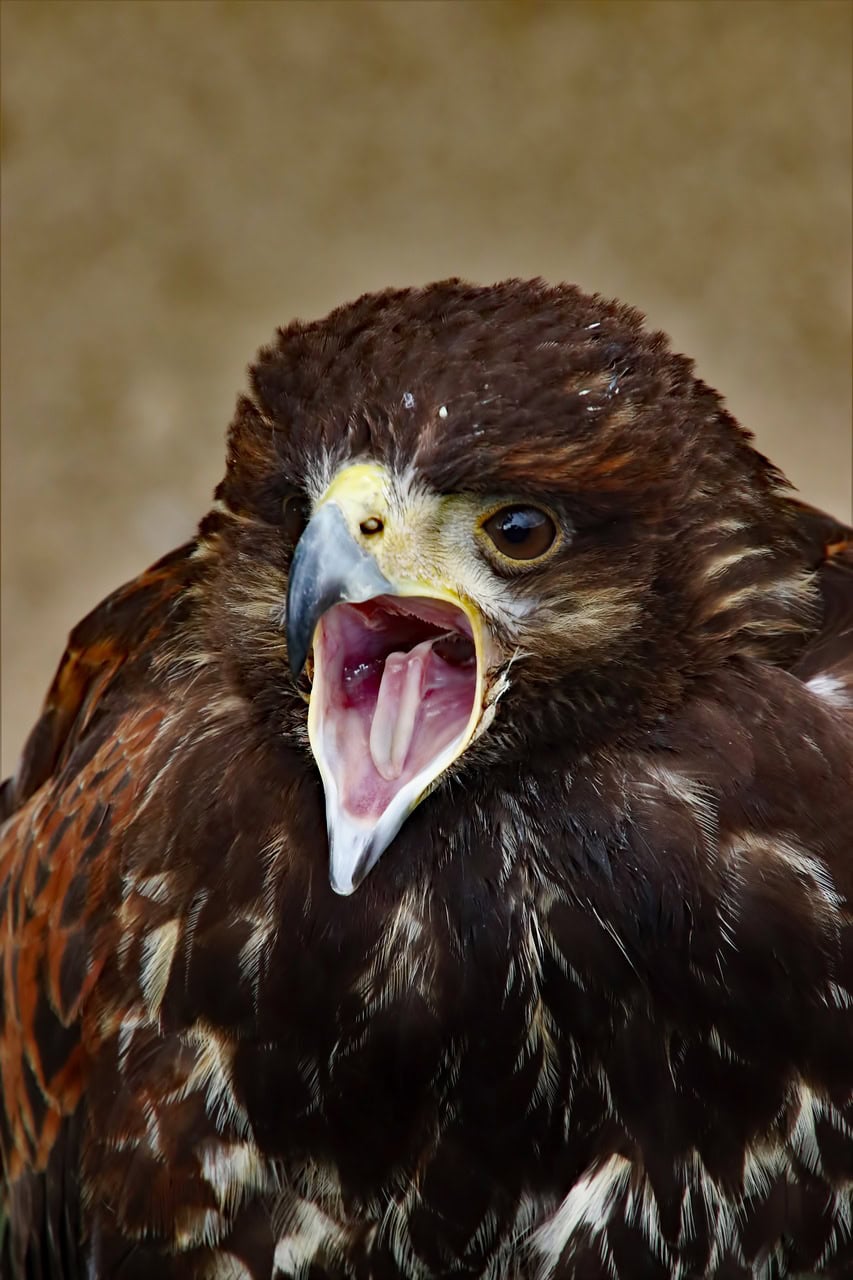
Harris hawks are indeed noisy birds renowned for their diverse and unique vocalizations. These calls are crucial for their social interactions and hunting strategies, setting them apart from other raptors. Factors like environmental conditions, social interactions, and genetic predispositions influence the intensity and frequency of their vocalizations. Training techniques, including positive reinforcement and noise desensitization, can help manage their noisy tendencies. Let me guide you on how to accomplish this with the wealth of information surrounding this topic below.
Harris Hawk Vocalizations Overview
Harris Hawks are known for their diverse and distinctive vocalizations, which play a crucial role in their social interactions and hunting strategies. These communication signals are essential for the coordination within their group. Territorial calls are used to mark their hunting grounds and warn off intruders. The intensity and frequency of these calls vary depending on the situation, indicating the level of threat or excitement. Social interactions among Harris Hawks are facilitated through various vocal cues, helping maintain hierarchies and strengthen bonds within the group.

During group hunts, Harris Hawks use specific hunting cries to communicate with one another, coordinating their movements to increase their chances of success. These calls are strategic and precise, signaling when to attack prey or adjust their positions. Additionally, mating calls are crucial for courtship and pair bonding, with each hawk having unique vocalizations to attract potential mates. Overall, the vocal repertoire of Harris Hawks is a sophisticated and integral aspect of their behavior, reflecting their complex social structure and hunting strategies.
Factors Influencing Noise Levels
Exploring the environmental influences on the vocalization patterns of Harris Hawks reveals intriguing insights into their communication strategies and behavioral adaptations. Various elements come into play when considering factors influencing noise levels in Harris Hawks. The table below outlines key aspects impacting the noise levels of these fascinating birds.
| Factors | Description |
| Noise prevention methods | Harris Hawks may adjust their vocalizations to minimize noise, especially during hunting activities. |
| Environmental impact | Surrounding conditions such as wind or vegetation density can affect the propagation of their calls. |
| Social interactions | Communication within the Harris Hawk group influences the frequency and intensity of vocalizations. |
Understanding these factors sheds light on the intricate balance between genetic predispositions, health considerations, and external influences that shape Harris Hawks’ noise levels.
Daytime Vs. Nighttime Vocal Habits
During the day, Harris Hawks exhibit distinct vocal habits that differ significantly from their nighttime behaviors. Natural communication plays a crucial role in their diurnal differences, where vocal interactions reflect various environmental influences and behavioral responses. In daylight, these hawks are more active and engaged in hunting, establishing territories, and socializing. Their vocalizations are often louder, more frequent, and varied, serving as a means of coordination and signaling within the flock. These daytime calls can range from high-pitched screams to low, guttural sounds, depending on the situation at hand.
Conversely, as night falls, Harris Hawks tend to quiet down significantly. The darkness shifts their behavior, leading to a more subdued vocal presence. While some communication still occurs through softer hoots or whistles, the overall noise level decreases as the birds settle down to rest. This diurnal variation in vocal habits showcases the adaptability and sensitivity of Harris Hawks to their surroundings, emphasizing their ability to modulate their vocalizations based on the time of day.
Training Techniques for Quiet Behavior
Implementing effective training techniques is essential for encouraging quiet behavior in Harris Hawks. To achieve this, I focus on positive reinforcement, establishing a quiet cue, maintaining consistent training schedules, utilizing distraction techniques, and implementing noise desensitization protocols.
- Positive Reinforcement: Rewarding the hawk when it displays quiet behavior reinforces the desired outcome. Treats or praise can be effective incentives.
- Quiet Cue: Introducing a specific cue, such as a hand signal or verbal command, helps the hawk understand when silence is expected.
- Consistent Training: Regular and structured training sessions are crucial for the hawk to grasp the concept of quiet behavior and make it a habit.
- Distraction Techniques: Engaging in toys or activities can redirect the hawk’s focus from making noise to more constructive behaviors.
- Noise Desensitization: Gradually exposing the hawk to various sounds in a controlled environment can help reduce its sensitivity to noise triggers, leading to calmer behavior overall.

How to stop Harris Hawk from screaming
To address the issue of Harris Hawk screaming effectively, it is imperative to understand the underlying reasons for this behavior and implement targeted strategies to modify it. Noise prevention is key when dealing with excessive vocalization in Harris Hawks. Behavioral modification techniques, like positive reinforcement for quiet behavior and ignoring screaming, can be highly effective. Vocal control exercises, like teaching the hawk to respond to specific cues, are crucial in quiet training.
Quiet training sessions should be integrated into the hawk’s routine to encourage noise management. Consistency is crucial in reinforcing desired behaviors and discouraging screaming. You can effectively reduce excessive vocalization over time by creating a calm environment during training sessions and rewarding the hawk when it remains quiet.
After learning about the vocal habits of Harris hawks and the factors that influence their noise levels, it is clear that these magnificent birds can be noisy at times. However, with proper training techniques and an understanding of their behavior, reducing their vocalizations and enjoying a quieter experience is possible. By implementing these strategies, handlers can successfully manage and control the noise levels of Harris hawks, creating a more peaceful environment for both the birds and their caretakers.