
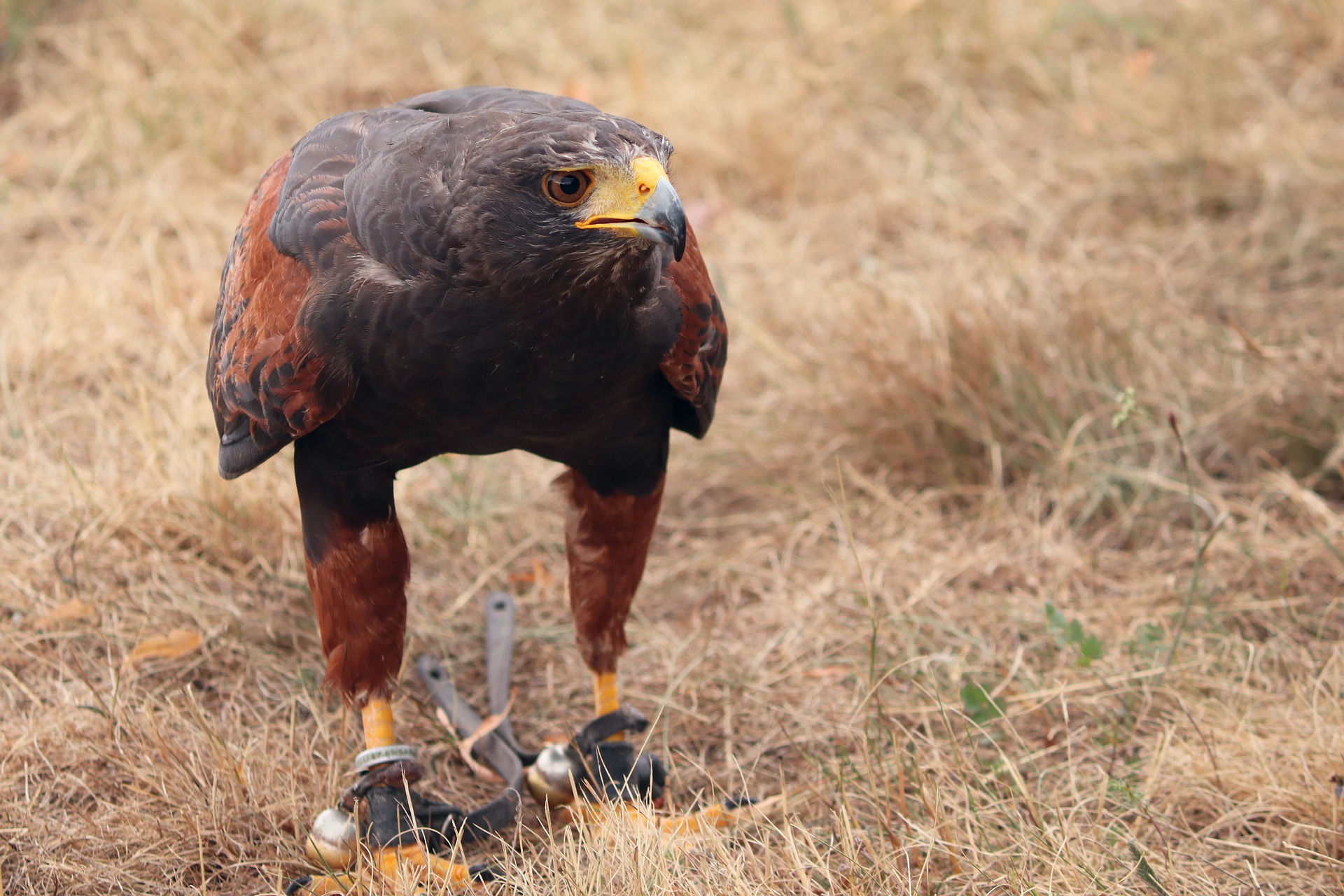
Feeding my Harris Hawk chicks a diet rich in high-quality proteins like insect protein, lean meats, and fish supplements is key. I ensure their healthy growth and development, along with essential vitamins, minerals, and a precise feeding schedule. Consistent meals throughout the day mimic natural eating habits, maintaining their energy levels and assisting in their overall development. If you’re thinking about taking care of young Harris Hawks, then you’ll want to treat the info below like your go-to guide. It’ll be a big help!
What to Feed Baby Harris Hawks
When it comes to feeding Harris Hawk chicks, it’s important to mimic their natural diet as closely as possible. Here is a list of suitable foods to ensure their healthy development:
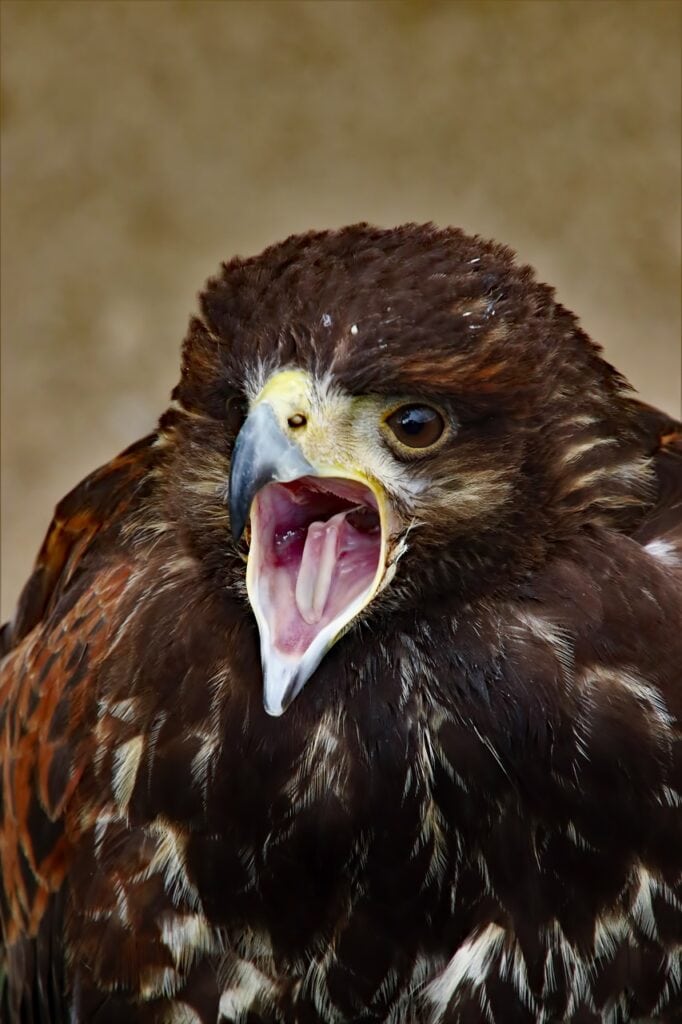
- Lean Meats: Chicken, turkey, and lean beef, finely chopped for easier consumption.
- Game Meats: Quail, rabbit, and pheasant can provide variety and essential nutrients.
- Insects: Mealworms, crickets, and small locusts offer high-quality protein.
- Fish: Occasional small portions of fresh, boneless fish can be included.
- Supplements: Calcium and vitamin supplements are specifically designed for birds of prey to ensure balanced nutrition.
- Water: Fresh, clean water must always be available, especially during warmer conditions.
Nutritional Requirements of Harris Hawk Chicks
Harris Hawk chicks have specific nutritional requirements that must be met for their healthy growth and development. Some key nutrients to include in their diet are:
- Protein: Harris Hawks require a high protein diet, with 25-30% of their daily intake coming from lean meats, insects, and game meat.
- Vitamins and Minerals: Essential vitamins such as A, D, E, and K are necessary for their growth. Minerals like calcium, phosphorus, and magnesium are crucial for strong bones and overall health.
It is important to understand that Harris hawks grow rapidly and have changing nutritional needs. Therefore, it is important to monitor their growth and adjust their diet to ensure they receive the proper nutrients at each stage of development.
Feeding Schedule for Harris Hawk Chicks
A consistent feeding schedule is crucial in ensuring Harris Hawk chicks’ healthy growth and development. Here is a suggested schedule:
- 6:00 AM: Small portion of lean meat or game meat, along with insects.
- 9:00 AM: Small portion of insects and water.
- 12:00 PM: Small portion of lean meat or fish, along with vegetables like peas and carrots.
- 3:00 PM: Small portion of insects and water.
- 6:00 PM: Final meal consisting of a mix of lean meat, game meat, and insects.
- 9:00 PM: Water before bedtime.
It is also important to offer small snacks throughout the day to keep their energy levels up. This could include additional insects or small pieces of fruit like apples or berries.
Protein Sources for Growing Chicks
As I care for my Harris hawk chicks, I prioritize sourcing high-quality proteins to support their growth and development. Providing diverse protein sources is essential for their overall health and well-being. I ensure their diet includes insect protein, a crucial component rich in nutrients that mimic their natural prey. A meat diet consisting of lean meats such as chicken and quail offers the necessary protein for muscle development. To enhance their diet further, I incorporate fish supplements, which provide essential omega-3 fatty acids vital for cognitive function.
| Protein Sources | Benefits | Recommended Frequency |
| Insect protein | Rich in nutrients | Twice a week |
| Meat diet | Muscle development | Every other day |
| Fish supplements | Omega-3 fatty acids | Once a week |
Incorporating high-fat snacks like mealworms and waxworms as occasional treats adds variety and boost their energy levels. By offering a balanced diet with these protein sources, I ensure my Harris hawk chicks receive the essential nutrients needed for their growth and development.
Feeding Schedule and Portions
Establishing a consistent feeding schedule and carefully measuring appropriate portions are vital to nurturing my Harris hawk chicks’ health and growth. I feed my chicks small meals multiple times a day to mimic their natural eating habits in the wild. The feeding frequency is crucial, with chicks requiring regular meals to maintain their energy levels and promote healthy development. Each meal is portioned according to the chicks’ size and age, ensuring they receive the necessary nutrients without overeating. I offer a variety of treats, like small pieces of raw meat or insects, to provide additional enrichment and mental stimulation.
Meal sizes are adjusted as the chicks grow, gradually increasing to meet their growing bodies’ demands. I incorporate diverse foods into their diet, including quail, mice, and chicks, to ensure they receive a balanced nutrition intake. Moreover, monitoring their water intake is essential to prevent dehydration, especially during hot weather or after consuming dry foods. I ensure my Harris hawk chicks thrive and flourish under my care by adhering to a structured feeding schedule and carefully managing portion sizes.

Potential Dietary Concerns and Solutions
It’s crucial to address potential dietary concerns promptly. Here are some key points to consider:
- Dietary allergies: Harris hawks, like humans, can develop allergies to certain foods. Monitoring their response to different food items is essential to identify and eliminate any allergens from their diet.
- Digestive issues: If their diet is not balanced, these chicks can be prone to digestive problems. Introducing a variety of foods and ensuring they have enough fiber can help prevent such issues.
- Weight management: Maintaining a healthy weight is vital for the well-being of Harris hawk chicks. Adjusting portion sizes and monitoring their intake can help prevent obesity or undernourishment.
- Food enrichment: Providing diverse foods keeps the chicks physically healthy and mentally stimulated. Incorporating enrichment activities like foraging for food can enhance their overall well-being.
After years of breeding and raising Harris hawk chicks, I have found that providing a well-rounded diet rich in protein, vitamins, and minerals is crucial for their growth and development. By carefully selecting the right foods and sticking to a consistent feeding schedule, I have been able to ensure that my chicks thrive and reach their full potential.