
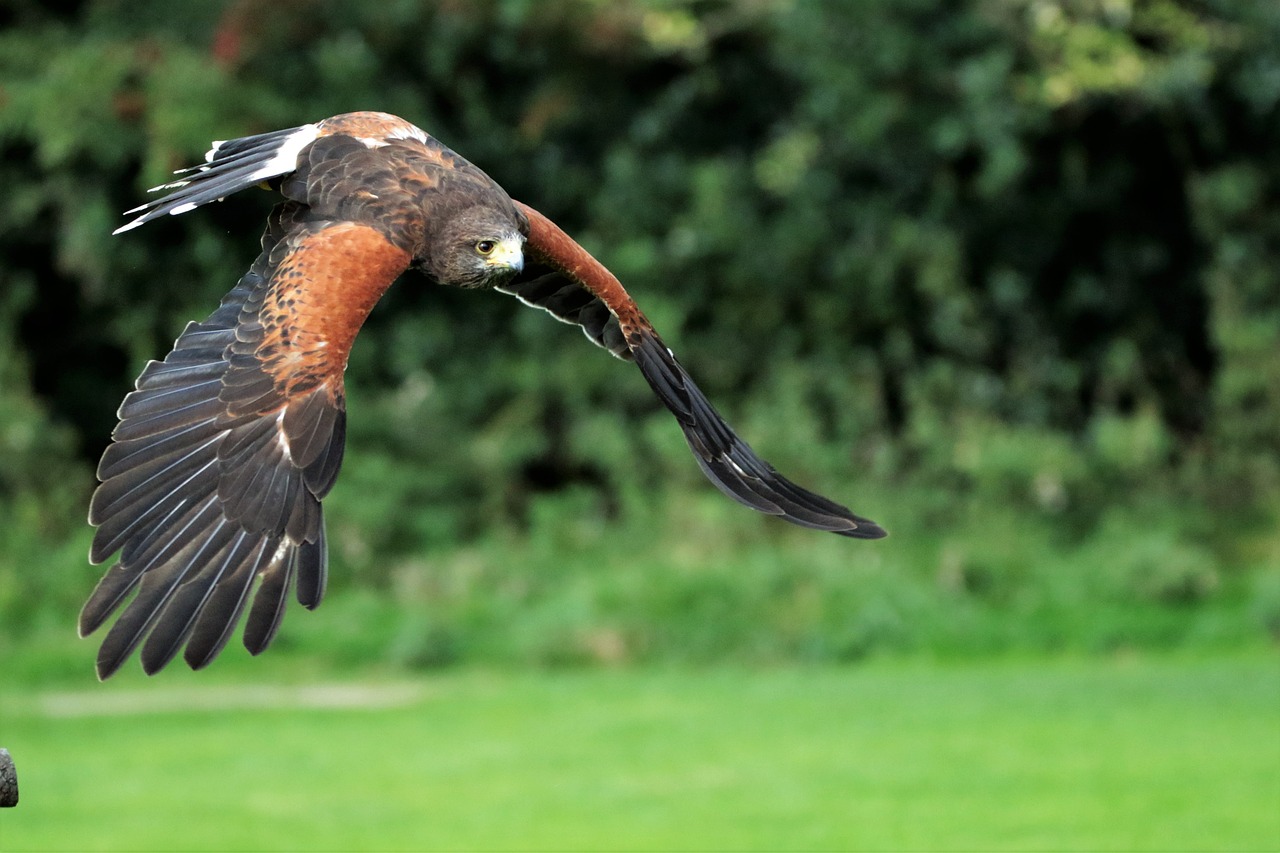
Training a Harris Hawk to fly freely, without the constraints of a leash, is a process that requires patience, persistence, and a knowledge of the bird’s natural behaviors. When I first attempted this, I was so scared that I was going to lose my Harris hawk, and even though I followed what my mentor advised, there was a small part of me that was still a bit nervous, so I laid out all you should know about free-flight training so the process will be less strenuous for you than it was for me.
What is Free-Flight Training?
Free-flight training is a sophisticated technique that involves training birds, specifically raptors like Harris Hawks, to fly freely without the constraint of a leash or falconry equipment. It’s a method that requires immense patience, understanding, and mutual trust between the bird and the falconer. The ultimate goal is to allow the bird to experience the freedom of flight and explore its natural behaviors while ensuring its safety and willingness to return.
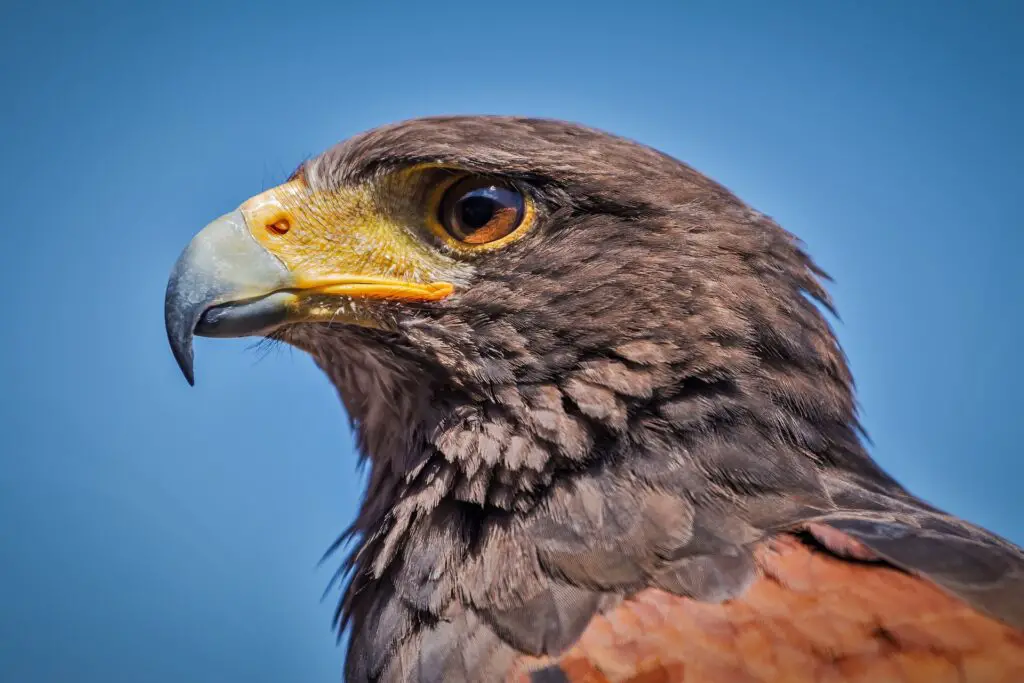
This type of training emphasizes positive reinforcement, building a trusting relationship, and carefully preparing the bird for the challenges it may face in the open environment. It’s not just about letting the bird loose; it’s about a calculated, deliberate approach to harnessing the bird’s natural instincts and behaviors to benefit both the bird and the trainer.
Step by Step on How to Approach and Perform Free-Flight Training
Step 1: Establishing a Foundation of Trust
Start by developing a solid bond with the Harris Hawk. Spend time together daily, maintaining a calm and reassuring presence. Use food rewards to encourage positive interactions and reinforce trust. This foundational step is critical for successful free-flight training.
Step 2: Basic Training Inside a Controlled Environment
Begin training in a secure, enclosed space. Introduce the hawk to basic commands and use rewards to reinforce these behaviors. This stage focuses on recall training, teaching the hawk to return to you on command.
Step 3: Introducing Outdoor Elements
Gradually expose the hawk to outdoor environments within an enclosed or semi-enclosed space. This helps acclimate the bird to different stimuli like wind, noises, and varying temperatures, preparing it for the complexities of outdoor flight.
Step 4: Short, Leashed Flights in Open Areas
Transition to open areas, performing short, controlled flights with the hawk leashed. This exposes the bird to the elements of free flight in a safe, controlled manner, building confidence and readiness for both the bird and the trainer.
Step 5: Unleashed Training in Safe Environments
Begin off-leash training in secure, enclosed outdoor areas. Continue utilizing recall training, gradually allowing the hawk more freedom. Always ensure the training location is safe from hazards and distractions.
Step 6: Extending Range and Exploring
With confidence and reliable recall established, gradually increase the distance of free flights. Continue to prioritize safety, choosing locations wisely to minimize risks. Use these sessions to explore and reinforce the hawk’s natural hunting behaviors and instincts.
Step 7: Regular Monitoring and Health Checks
Throughout the training process, and as your hawk enjoys more freedom, keep a close eye on its health and behavior. Regular checks ensure the bird is physically fit, mentally stimulated, and engaged.

Step 8: Continuous Improvement and Training
Even after achieving successful free flights, ongoing training and reinforcement are essential to maintain the bird’s skills, trust, and relationship with the trainer. Consistently introduce new challenges and environments to keep the hawk engaged and responsive.
This step-by-step guide lays the groundwork for free-flight training with Harris Hawks. Each bird is unique, requiring the trainer’s patience, understanding, and flexibility to adapt the training process to meet its individual needs and personality.
Gradual Introduction to Outdoor Environments
Introducing my Hawks gradually to outdoor environments is pivotal in expanding their skills and confidence in flight. Being outdoors presents a whole new set of challenges and experiences for our birds, shaping their understanding of the world around them. Here’s how we approach this crucial phase:
- Outdoor challenges: Each outdoor environment brings its own set of challenges, from varying weather conditions to different terrain types. Exposing the Hawks to these challenges helps them adapt and become more resilient flyers.
- Environmental exposure: Allowing the Harris Hawk to experience different outdoor environments enriches their sensory perception and enhances their ability to navigate diverse surroundings effectively.
- Behavioral conditioning: Outdoor exposure provides ample opportunities to reinforce positive behaviors and correct any negative tendencies, shaping the hawk’s responses in different situations.
- Safety precautions: Implementing strict safety measures during outdoor training sessions is paramount to ensuring the well-being of the hawk and handlers.
Consideration when doing free-flight training
- Bird’s Readiness: Before beginning free-flight training, it’s crucial to assess the bird’s physical and psychological readiness, including its confidence, training progress, and health status.
- Environmental Assessment: Analyze the training environment for potential hazards such as power lines, water bodies, or high-traffic areas. Choose locations that minimize risks to the bird.
- Weather Conditions: Consider the weather, including wind speed, temperature, and precipitation. Extreme conditions can impact the bird’s ability to fly and respond to commands.
- Distraction Levels: Evaluate the presence of distractions that could divert the bird’s attention, such as other animals, loud noises, or human activity. It is advisable to initially train in a low-distraction environment.
- Bird’s Motivation: Ensure the bird is sufficiently motivated for training sessions, which are often influenced by hunger levels. Overfeeding can reduce the bird’s willingness to return.
- Emergency Preparedness: Have contingency plans in place for potential emergencies, including the bird not returning. This could include carrying tracking equipment or having a well-practiced recall strategy.
- Progress Monitoring: Keep detailed records of each training session to monitor progress, including any challenges faced and how the bird responded. This data is invaluable for adjusting training strategies over time.
Adhering to these considerations ensures the safety and well-being of the Harris Hawk during free-flight training and maximizes the training sessions’ success and effectiveness.
Mastering free-flight training is a rewarding experience that requires patience, dedication, and a deep understanding of the raptor’s behavior. Following a step-by-step approach and gradually introducing them to outdoor environments can build a strong bond and trust with your hawk. Remember to always consider their safety and well-being throughout the training process.