
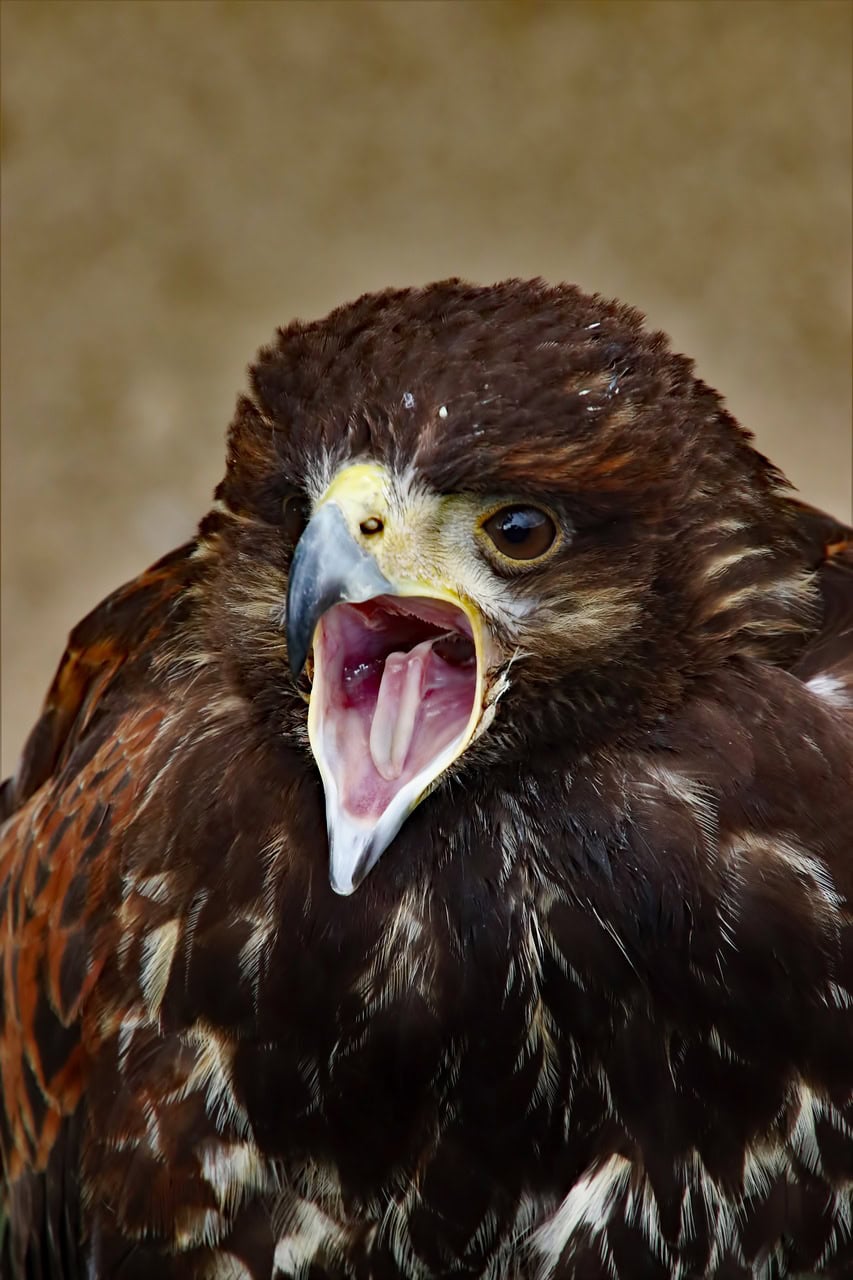
Creance training is crucial for boosting Harris Hawks’ flying skills while ensuring their safety and avoiding flight mishaps. It establishes trust, aids in flight conditioning, and strengthens our bond. Creance training also helps evaluate the bird’s fitness, capabilities, and response to commands. In this post, I will cover all you need to know about creance training.
What is creance training?
Creance training is a method employed in the early stages of raptor training, where a long, lightweight line, known as a creance, is attached to the bird’s leg. This setup allows the Harris Hawk to fly at limited distances while still under the falconer’s control. It acts as a safety tether, allowing the bird to practice flying and hunting techniques in a controlled environment. This method protects the bird from potential hazards, builds confidence in its flying abilities, and strengthens the trust between the bird and the falconer. Creance training is essential before the bird is allowed to fly freely, ensuring it is adequately prepared to return to the falconer when called.

Importance of using a creance when training your Harris hawk
Using a creance when training your Harris hawk is essential for ensuring their safety, control, and successful development of flying skills. Safety precautions are paramount when working with birds of prey, and the creance provides a vital link between you and your hawk during the training process. It allows you to maintain control over your raptors while they build trust in you and become accustomed to flying in different environments.
Consistency and patience are key when using a creance as they help establish a routine that your hawk can rely on. This repetitive exercise becomes a bonding experience between you and your bird, strengthening your relationship and creating a foundation of trust that is crucial for successful training. The creance also aids in flight conditioning by allowing your hawk to practice flying in a controlled manner, gradually preparing them for free flight while minimizing risks.
Step by Step on How to Do Creance Training
- Preparation: Begin by ensuring your Harris Hawk is comfortable and accustomed to the equipment, including jesses, swivels, and the creance itself. The hawk should be at a suitable weight and in good health for training.
- Attach the Creance: Securely attach one end of the creance to the swivel connected to the jesses on your hawk’s legs. Check all equipment for wear or damage before each training session to ensure safety.
- Starting Short: Start with shorter distances in a safe, enclosed area to minimize distractions and potential hazards. This will help your hawk to concentrate on the training exercises.
- Encouragement to Fly: Use food rewards as motivation. Position yourself a short distance away from the hawk and encourage it to fly towards you by showing the food reward. Reward the hawk immediately after it successfully flies to you.
- Gradually Increase Distance: As your hawk becomes more confident and skilled at flying to you on command, gradually increase the distance of the flights. Always pay close attention to your hawk’s energy levels and respond to its cues.
- Practice Recalls: Regularly practice recall techniques by calling the hawk back to your glove from various distances and positions. This reinforces the bond and understanding between you and your hawk.
- Introduce New Elements Gradually: Once your hawk is confidently flying short distances, you can start to introduce new elements such as different locations, higher perches, and flying in various weather conditions to build its experience.
- Transition to Free Flight: After your hawk consistently returns to you during creance training, you can begin preparations for transitioning to free flight. This should be done gradually, ensuring the hawk is fully ready and responsive to commands.
- Observation and Adjustment: Throughout the creance training process, closely observe your hawk’s behavior, fitness, and response to training. Be prepared to adjust your training techniques based on your observations to best suit your hawk’s needs.
- Safety and Welfare First: Always prioritize your hawk’s safety, health, and welfare. If you observe any signs of distress, fatigue, or unwillingness to participate, end the training session and allow the bird to rest.
Following these steps and maintaining patience and consistency will develop a strong, trusting relationship with your Harris Hawk, laying the foundation for successful free flight training.

Consideration when doing creance training
Considering the intricacies of creance training, it is imperative to carefully assess the environmental factors and the hawk’s behavior to ensure a successful training process. When embarking on this journey, there are crucial aspects to keep in mind:
- Safety Precautions: Prioritize safety at all times by using appropriate equipment and ensuring the training area is secure to prevent accidents or escapes.
- Environmental Factors: Take into account weather conditions, noise levels, and other external elements that could affect the training session and the hawk’s responsiveness.
- Progress Tracking: Keep detailed records of each training session to monitor the hawk’s development, identify areas for improvement, and celebrate milestones achieved.
In my experience, implementing effective reinforcement techniques, such as rewarding desired behaviors promptly and maintaining consistency and patience throughout the training process, is key to fostering a strong bond with the hawk and achieving training goals successfully. Using a creance can safely and effectively teach your hawk essential skills while building trust and confidence. Remember to always prioritize the well-being and success of your bird during training. You can develop a strong bond and successful hunting partnership with your Harris hawk through patience, dedication, and proper technique.