

When I first started in falconry, I always wondered why the female is larger than the male. The sheer size and strength of the female Harris Hawk compared to the male raised questions about their roles in hunting and falconry practices. I have had the privilege to work with many Harris Hawks, and my findings on differences between the species are as follows:
Physical Differences Between Male and Female Harris Hawks
Male Harris hawks typically have smaller bodies than females, with females being noticeably larger. This difference is also reflected in their weight distribution, where females tend to be heavier. When it comes to wing span, females generally have broader wings to support their larger bodies during flight. In terms of plumage color, both males and females exhibit similar patterns of dark brown feathers with chestnut markings, although females may appear slightly darker.
Another distinct feature between male and female Harris hawks is their talon size. Females possess larger and stronger talons compared to males, aiding them in catching and handling prey. Additionally, eye color can vary between the sexes, with females often having darker or more pronounced eye pigmentation.
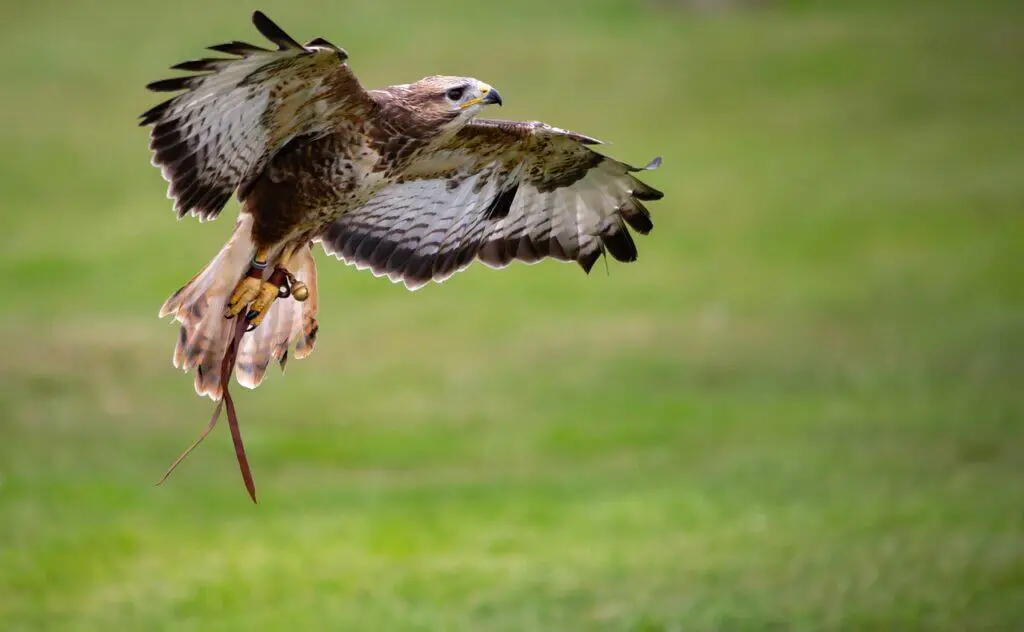
Behavioral Variances in Male Vs. Female Hawks
Observing the behavioral variances between male and female Harris hawks reveals distinct patterns highlighting their unique hunting and social strategies. Mating rituals in Harris Hawks differ between males and females, with males often displaying elaborate aerial displays to attract females, while females evaluate these performances before choosing a mate. When it comes to nest building, females take the lead in constructing the nest using twigs and branches, with males sometimes assisting by providing materials.
Territory defense is a shared responsibility, but females tend to be more aggressive in protecting their nesting sites. Communication methods vary slightly, with males using vocal calls more frequently during courtship, while females may communicate more silently during hunting. In terms of parental roles, both male and female Harris hawks play essential roles in raising their young, with females primarily responsible for incubation and brooding, while males provide food for the family.
Hunting Abilities Comparison: Male Vs. Female
How do the hunting abilities of female Harris hawks compare to those of their male counterparts? When it comes to speed and accuracy in hunting, both genders exhibit remarkable skills. Females are known for their stealth and strategic approach, often using the element of surprise to capture their prey. On the other hand, males showcase strength and endurance, excelling in long pursuits and taking prey with their powerful talons.
Both male and female Harris hawks display impressive agility and coordination in terms of flying abilities. They navigate through dense foliage and swiftly change directions to outmaneuver their quarry. Their instinct and intelligence play a crucial role in hunting success, as they must assess various factors such as wind direction, prey behavior, and terrain to make effective decisions during the hunt.
Harris Hawk size comparison
When comparing the size of male and female Harris Hawks, there are distinct differences to note. The females tend to be larger and heavier, while the males are generally smaller and more agile. Understanding these size variations is crucial for falconers to properly train and work with these magnificent birds.

Female
While observing Harris Hawks, I noticed that the female of the species typically exhibits a slightly larger size compared to the males. This difference in size is often associated with higher fertility rates in females, as they require more energy to produce eggs.
Male
The male Harris Hawk typically exhibits a slightly smaller size compared to the female of the species. While their wing span is generally shorter, males compensate by being more agile during hunting techniques.
In conclusion, while male and female Harris Hawks may have distinct physical and behavioral differences, both genders are equally skilled hunters and essential in falconry practices. The larger size and aggressive nature of females complement males’ aerial displays and territorial behaviors, creating a balanced dynamic in the world of falconry.