
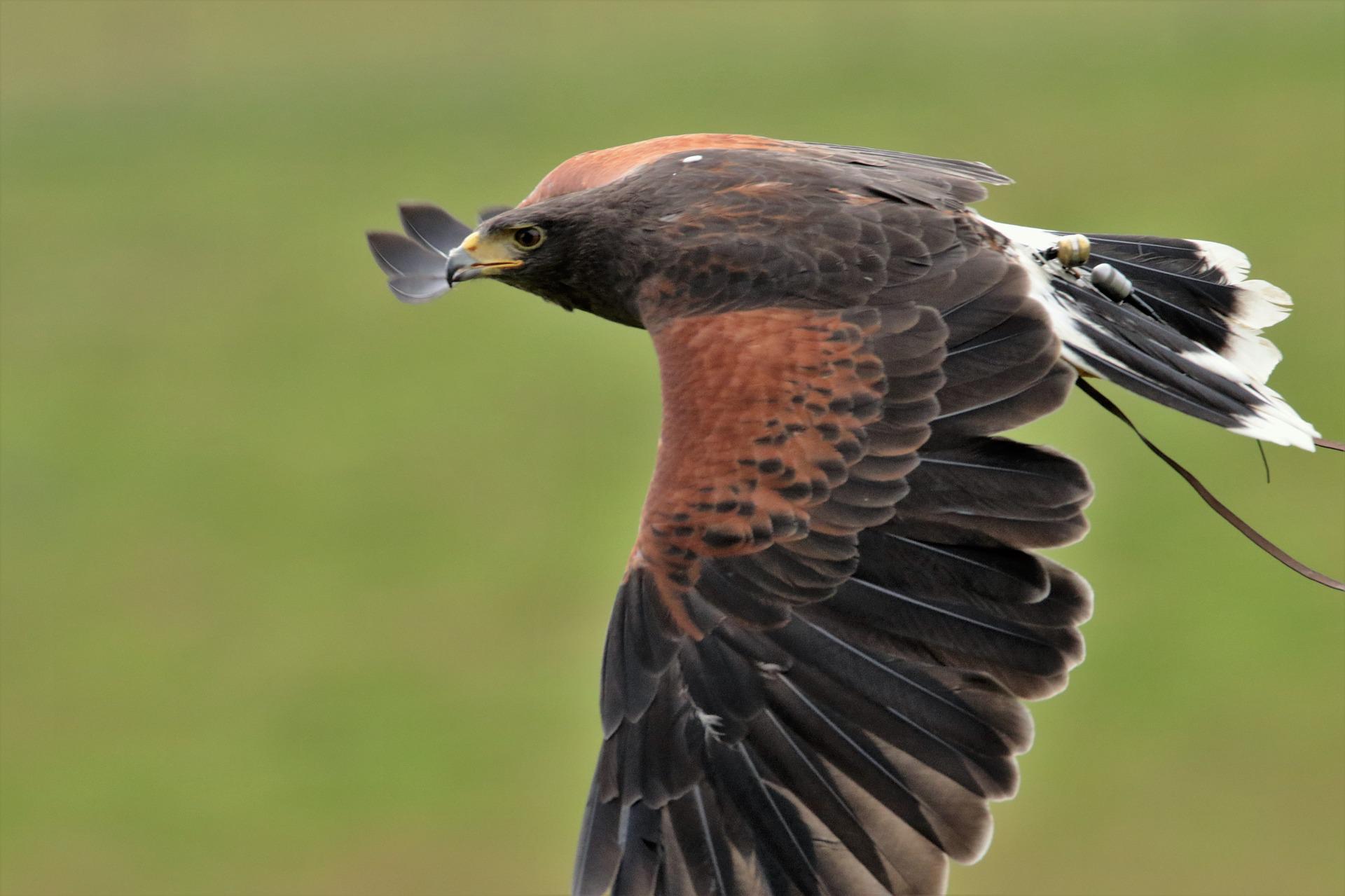
Having raised Harris Hawks in falconry for years, I can tell you that they live around 15 to 25 years with proper care. Breeding practices, health check-ups, feeding, and exercise are crucial for a lengthy lifespan. The lifespan of wild Harris hawks is also much lower(11-14 years) than those kept in falconry, as they face many threats in the wild. If you want to know more about the lifespan of Harris hawks in falconry, read over what I have laid out below
The Lifespan of Harris Hawks Falconry?
In falconry, Harris Hawks typically live for around 15 to 25 (reaching up to 30) years when well-cared for and given proper attention. Breeding practices are crucial in maintaining healthy populations of Harris Hawks in falconry. Responsible breeders ensure that they select mates carefully to avoid genetic issues and promote the overall well-being of the birds.
Health care is paramount in extending the lifespan of Harris Hawks in falconry. Regular check-ups, vaccinations, and prompt treatment of any illnesses or injuries are essential. Training techniques are vital for the mental and physical stimulation of these intelligent birds.

Environmental enrichment is key to keeping Harris Hawks content and engaged in falconry. Providing adequate space for flying, perching, and exploring helps prevent boredom and behavioral issues. Diet considerations are also crucial for the health and longevity of Harris Hawks in falconry. A balanced diet abundant in nutrients, vitamins, and minerals is essential for their overall well-being.
Factors Affecting Lifespan
The lifespan of a Harris Hawk can vary depending on several factors, such as:
- Diet: Proper nutrition is vital for the well-being and longevity of any animal. In falconry, Harris Hawks are fed a varied diet consisting mainly of fresh meat such as rodents, quail, or rabbits.
- Genetics: Just like humans, the lifespan of Harris Hawks can be influenced by genetics. A bird with a strong genetic background is likely to live longer than one with poor genetics.
- Housing and Environment: The living conditions and environment in which a Harris Hawk is kept can greatly impact its overall health and lifespan. They require adequate space and protection from extreme weather conditions. Providing them with a safe and clean living space is crucial for their well-being.
- Stress Levels: Stress can significantly affect the lifespan of Harris Hawks. In falconry, minimizing stress levels is essential by providing proper training, handling, and socialization for the birds.
Tips for Promoting Longevity
To ensure your Harris Hawk lives a long and healthy life, here are some tips to follow:
- Regular Health Check-ups: Unlike any common pet, it’s crucial to take your Harris Hawk for regular check-ups. A veterinarian with experience in avian care can detect any health issues at the start and provide appropriate treatment.
- Proper Diet: As mentioned earlier, a well-balanced and varied diet is pivotal for the health of a Harris Hawk. Ensure they have fresh, high-quality meat and supplement their diet with the basic vitamins and minerals.
- Clean Living Space: A clean living space is vital for the overall well-being of a Harris Hawk. Regularly clean their enclosure, perches, and food/water bowls to prevent the build-up of bacteria that can cause health issues.
- Training and Socialization: Harris Hawks are social birds requiring regular handlers interaction. Engaging in training sessions, flying exercises, and providing enrichment activities help reduce stress levels and promote a healthy bond between the bird and its handler.
Having a Harris hawk in falconry can be a rewarding experience, as these magnificent birds can live up to 30 years in captivity when properly cared for. In the wild, their lifespan is typically around 11-14 years. Providing proper care, attention, and respect for these incredible birds ensures they live long and fulfilling lives in falconry.