
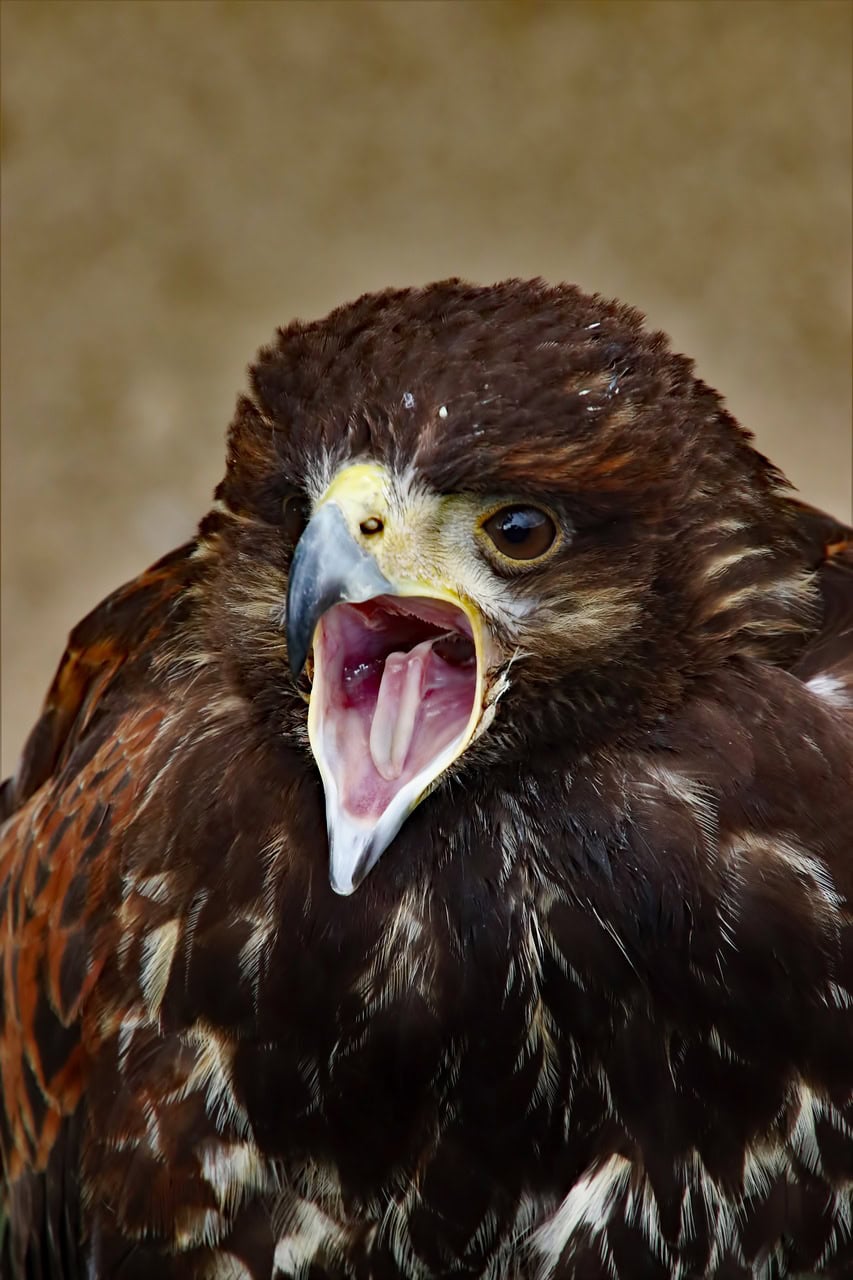
Harris Hawk’s young incubation process is delicate and must be approached with experience and caution. The incubation period for Harris Hawk eggs typically lasts 32 to 35 days. It is crucial to hold a consistent temperature to ensure successful hatching and loads of other stuff; I have noted the most important parts you need to know with the information below. Remember that this is a delicate process.
Harris Hawk Egg Incubation Process
I carefully monitor the temperature and humidity levels during the incubation process of Harris Hawk eggs to ensure optimal conditions for successful hatching. Temperature regulation is crucial as even slight fluctuations can impact the development of the embryos. The parental care exhibited by the adult Harris Hawks is remarkable; they take turns incubating the eggs, ensuring they are consistently kept warm and protected.
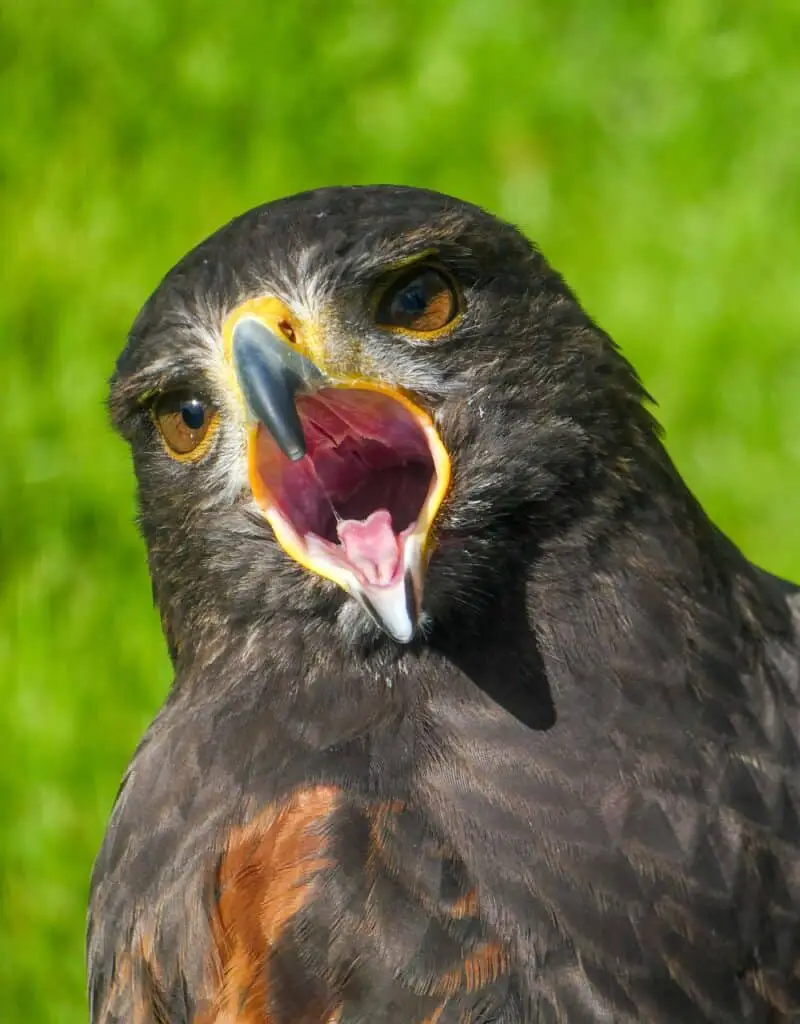
As the days pass, the hatching process begins. It is fascinating to witness the eggs starting to crack as the chicks inside begin to emerge. During this time, I pay close attention to egg turning, mimicking the natural process where the parent birds would rotate the eggs to prevent the embryos from sticking to the shell.
Throughout the development stages, it is essential to maintain the right conditions for the embryos to thrive. The delicate balance of temperature, humidity, and care provided during this incubation period plays a vital role in the successful hatching of healthy Harris Hawk chicks.
Factors Affecting Incubation Duration
During the incubation process of Harris Hawk eggs, the duration will be influenced by various factors that impact the development and hatching timeline. Environmental conditions play a crucial role, as temperature and humidity levels can affect the overall incubation period. Optimal nesting behavior, such as the consistency of egg turning and nest attentiveness by the parents, can also impact the duration. The level of parental involvement in nest maintenance and egg incubation significantly influences hatching success. Moreover, egg viability, including factors like the age of the eggs and their initial quality, can affect the time needed for incubation and successful hatching. Knowing and managing these factors are essential for successfully hatching Harris Hawk eggs within an appropriate timeframe.
Average Incubation Period Length
On average, the incubation period length for Harris Hawk eggs ranges from 32 to 35 days. This crucial period is influenced by various factors that directly impact the development and eventual hatching of the eggs. Here are some key points to consider:
- Incubation Temperature: Maintaining a consistent temperature of around 100 degrees Fahrenheit within the nest is vital for successful incubation. Fluctuations can negatively affect embryo development.
- Egg Turning: Regular turning of the eggs is essential to prevent the yolk from sticking to the membrane. This movement mimics the natural behavior of the parent birds.
- Development Stages: The incubation period is marked by distinct stages, including embryo formation, growth, and the preparation for hatching.
- Hatching Signs: Towards the end of the incubation period, subtle cues such as vocalizations from within the egg and slight movements may indicate that hatching is imminent.
- Parental Behavior: The parental hawks play a crucial role during incubation, with both the male and female taking turns to ensure the eggs receive proper care and attention. So, if you are incubating them, you need to put in just as much time.
Monitoring Incubation Progress
Monitoring the progress of incubation involves closely observing and documenting the various developmental milestones and behaviors exhibited by the Harris Hawk eggs. Several key factors need to be monitored diligently to ensure successful incubation.
| Factors | Description | Importance |
| Temperature Control | Holding a consistent temperature within the incubator is crucial for proper development. | Critical for embryo growth |
| Egg Turning | Regularly turning the eggs simulates how a bird would naturally move them in the nest. | Prevents the embryo from sticking to the shell |
| Candling Technique | Using a bright light source to view the inside of the egg aids in determining fertility and embryo development. | Helps identify any issues early on |
Apart from these, monitoring humidity levels and observing nesting behavior are also essential for a successful hatch.
After closely monitoring the incubation process of Harris Hawk eggs, I have observed that the average period typically lasts 32 to 35 days. Factors such as temperature, humidity, and parental behavior can impact the duration of incubation. By carefully monitoring the eggs’ progress, we can ensure a successful hatching process and the healthy development of the Harris Hawk chicks.