
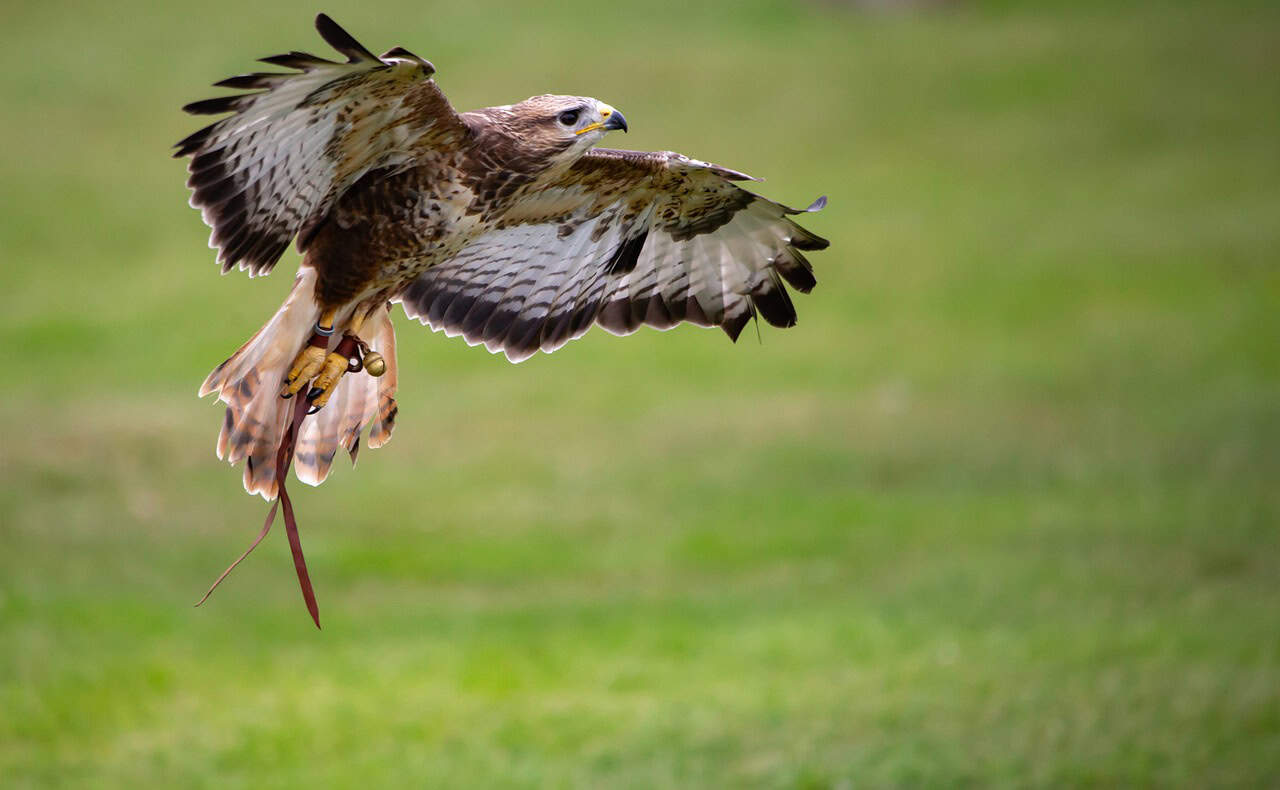
As an experienced falconer, I can say female Harris hawks usually lay two to four eggs in a clutch. Incubation lasts about 33-35 days, with both parents taking turns. Factors like environmental conditions, parental age, and food availability influence clutch size, along with many other factors. Let me share my experiences with the information provided below about egg laying so your journey is a much easier one.
Average Number of Eggs in a Clutch
On average, female Harris hawks lay three eggs in a clutch. This is the most common and expected amount, although two or four egg clutches are also possible. The number of eggs laid may vary slightly between individual birds and may even differ from year to year for the same bird. An older female Harris hawk ( past her prime) may also lay fewer eggs compared to a younger bird, as fertility and egg production tend to decrease with age. During the breeding season, if you want your hawk to produce viable and healthy eggs, you should consistently provide appropriate nutrition, care, and proper training to keep your bird in good physical condition.

Environmental Factors Affecting Clutch Size
The environmental conditions during the breeding season can significantly impact the number of eggs laid by Harris hawks. These birds prefer to nest and breed in open areas with plenty of prey. However, if the environment is not suitable for nesting or food availability is low, female hawks may lay fewer eggs or even skip breeding altogether. Extreme weather conditions like heavy rainfall or long periods of drought can also affect the number of eggs laid in a clutch.
Influence of Parental Age on Clutch Size
The parents’ age can also affect the size of the clutch. Younger birds who are not yet fully mature may lay smaller clutches or may not breed at all. On the other hand, older birds who have reached their prime breeding age may lay larger clutches and produce more viable eggs. It is important to keep track of your hawk’s age and understand how it can affect breeding success.
Impact of Food Availability on Clutch Size
Food availability also plays a crucial role in the number of eggs laid by Harris hawks. These birds need a diverse diet that includes small mammals, birds, and reptiles. If food is scarce in their habitat, female hawks may lay fewer eggs to conserve energy for hunting and survival. Food availability directly influences the energy reserves of the hawks, affecting their ability to invest in producing and caring for eggs. The quality of the nesting site also plays a vital role, with safer and more abundant sites likely leading to larger clutch sizes. Additionally, hormonal regulation within the hawks’ bodies can influence the number of eggs laid in a clutch, with various hormones playing key roles in the reproductive process.
From my experience, Harris hawks typically lay 2-4 eggs per clutch, with 3 being the most common. Factors such as age, health, and environmental conditions can influence clutch size. Harris hawks can increase their breeding success by understanding these factors and implementing effective reproductive strategies. Remember, proper care and attention to these details are essential for ensuring the health and well-being of these magnificent birds.