
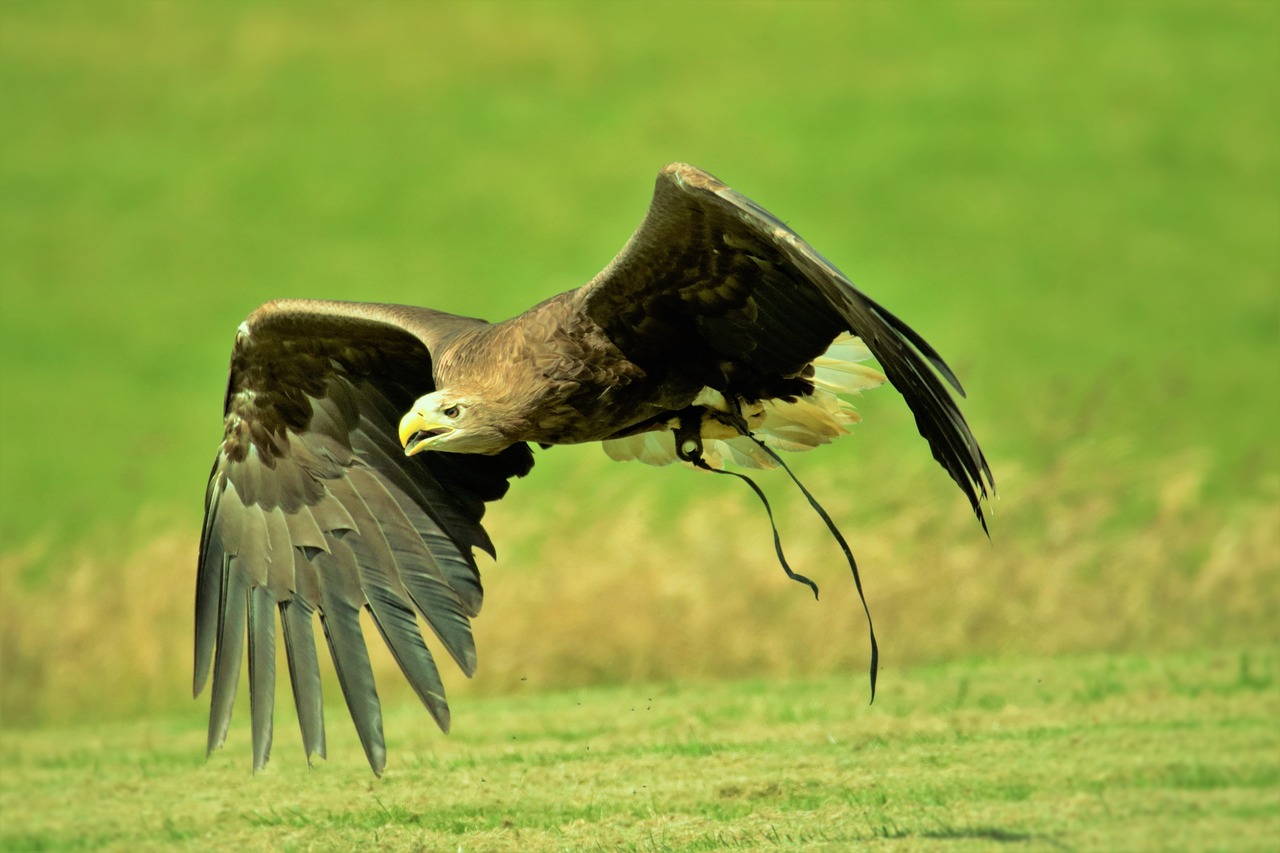
The cost of a Harris hawk can vary based on factors such as age, demand, genetic lineage, size, and color preferences. Depending on these variables, prices can range from a few hundred to several thousand dollars. Factors like training, breeders, and maintenance also play a role in the overall investment. To fully understand the pricing and considerations involved in owning a Harris Hawk, it’s important to consider these aspects and do thorough research to ensure you make an informed decision that aligns with your goals and budget. I will try my best to enlighten you on the matter and prepare you for the costs of the raptor and the most important associated costs with the information below.
Factors Affecting Harris Hawk Prices
When considering the factors that influence Harris Hawk prices, it is crucial to understand the significance of age and training in determining the value of these majestic birds of prey. Market demand plays a crucial role in setting the price for Harris Hawks. Birds that are in high demand due to their exceptional hunting abilities or desirable traits command higher prices. Age influence is a key factor affecting pricing, with younger, untrained hawks generally costing less than older, more experienced ones. Genetic lineage also plays a significant role, as hawks from well-known hunting lines or with proven hunting skills are valued higher.

Size variations can impact prices, with larger birds often being more sought after for hunting purposes. Color preferences can also influence the value of a Harris Hawk, with certain color morphs or patterns being more popular among falconers and enthusiasts, leading to price variations based on aesthetics. Understanding these factors can help enthusiasts navigate the diverse pricing of Harris Hawks in the market.
Cost of Purchasing a Harris Hawk
The cost of acquiring a Harris Hawk can vary significantly depending on factors such as age, training, and genetic lineage. The usual cost is around $500 and $1,200 (depending on training level and age). Have a look at the table below to guide you further
| Factors | Considerations |
| Age | Younger birds may be pricier due to longer training potential. |
| Training | Pre-trained hawks can cost more but save time and effort. |
| Genetic Lineage | Hawks from renowned bloodlines may come at a premium. |
| Resale Value | Research the bird’s potential resale value for future planning. |
| Hidden Fees | Factor in additional costs like equipment, permits, and vet visits. |
Careful budget planning is crucial to ensure you can cover the initial cost and any hidden fees that may arise.
Breeder Rates and Quality Considerations
Exploring breeder rates and evaluating quality considerations is crucial when selecting a Harris Hawk for purchase. The breeder’s reputation speaks volumes about the birds they produce. A reputable breeder will have a history of breeding healthy, well-socialized hawks with strong genetic lineages. Genetic lineage is important as it can influence the bird’s temperament, health, and hunting abilities. It’s also essential to inquire about health guarantees, ensuring that your hawk is free from any genetic diseases or defects.
The socialization process and training techniques used by the breeder are equally significant. A well-socialized hawk will be more adaptable to its new environment and bond better with its owner. Training techniques employed during the hawk’s early development can impact its behavior and hunting skills later on. Therefore, choosing a breeder who emphasizes positive reinforcement and ethical training methods is key to nurturing a well-rounded and capable Harris Hawk. Selecting a Harris Hawk from a reputable breeder who prioritizes quality will undoubtedly enhance your overall falconry experience.
Training Expenses and Time Investment
Considering the time and financial commitment required for training a Harris Hawk is paramount in ensuring a successful falconry journey. Training a Harris Hawk involves various aspects, such as mastering training techniques, dedicating significant time, overcoming behavioral challenges, meeting equipment needs, and fostering a strong bonding process. Here is a breakdown of the essential aspects:
| Training Techniques | Time Commitment | Behavioral Challenges |
| Positive Reinforcement | Consistent daily sessions | Aggression towards other birds |
| Lure training | Patience and perseverance | Fear of new environments |
| Tethering exercises | Building trust and respect | Impatience during training sessions |
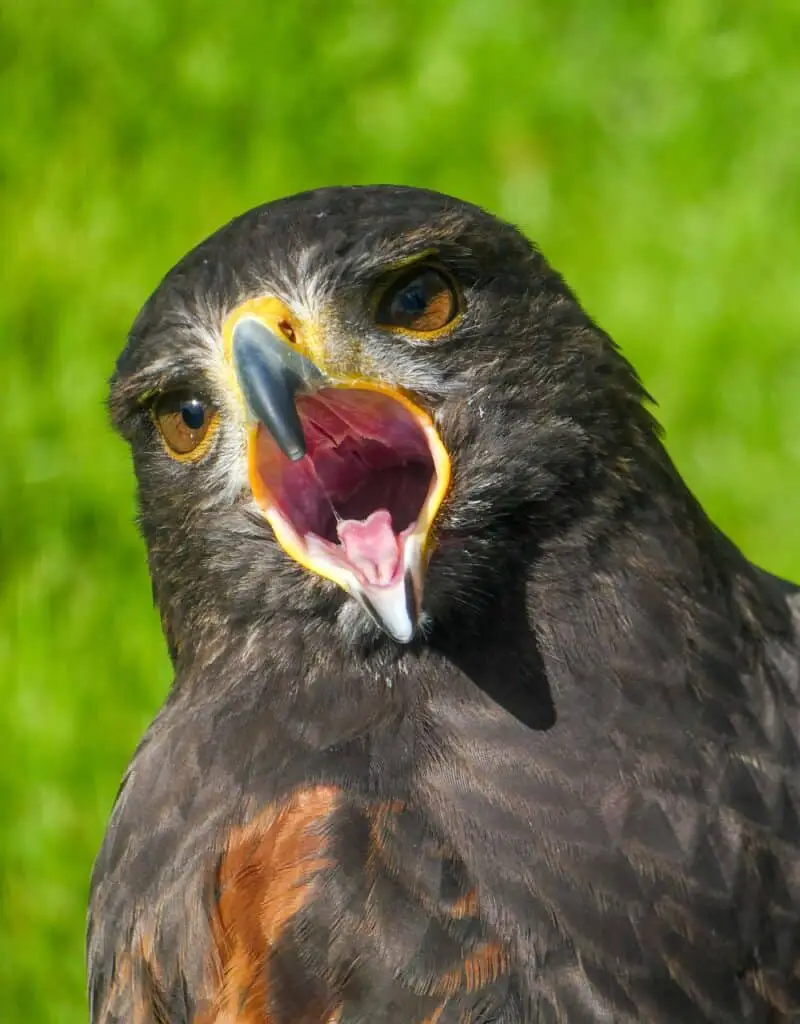
Training a Harris Hawk requires patience, as each bird is unique in its learning process. Behavioral challenges like aggression or fear need to be addressed with care and understanding. The bonding process is crucial for developing a strong relationship based on trust. Investing time and effort in training will benefit the bird and enhance the overall falconry experience.
Additional Maintenance and Care Costs
Understanding the financial commitments associated with the additional maintenance and care of a Harris Hawk is crucial for ensuring the bird’s well-being and longevity in falconry. Veterinary expenses are a significant part of caring for a Harris Hawk, as regular check-ups and potential medical treatments may be necessary. Housing needs must also be met adequately, requiring a spacious, secure aviary to provide the hawk with a comfortable environment. Food costs are ongoing, and a diet of high-quality meats and supplements is needed to meet nutritional requirements.
Equipment necessities such as jesses, leashes, and perches are essential for effectively handling and training the hawk. Grooming requirements involve regular feather maintenance and health checks to ensure the hawk is in optimal condition. By budgeting for these additional maintenance and care costs, falconers can provide their Harris Hawks with the proper care and attention they need for a fulfilling and healthy life in falconry.
After considering all the factors that influence the price of a Harris Hawk, it is clear that they are not inexpensive birds to own. From the initial cost of purchasing a bird to the ongoing expenses of training, maintenance, and care, owning a Harris Hawk requires a significant investment of both time and money. However, the rewards of owning and flying a Harris Hawk are priceless for those passionate about falconry and willing to commit.