
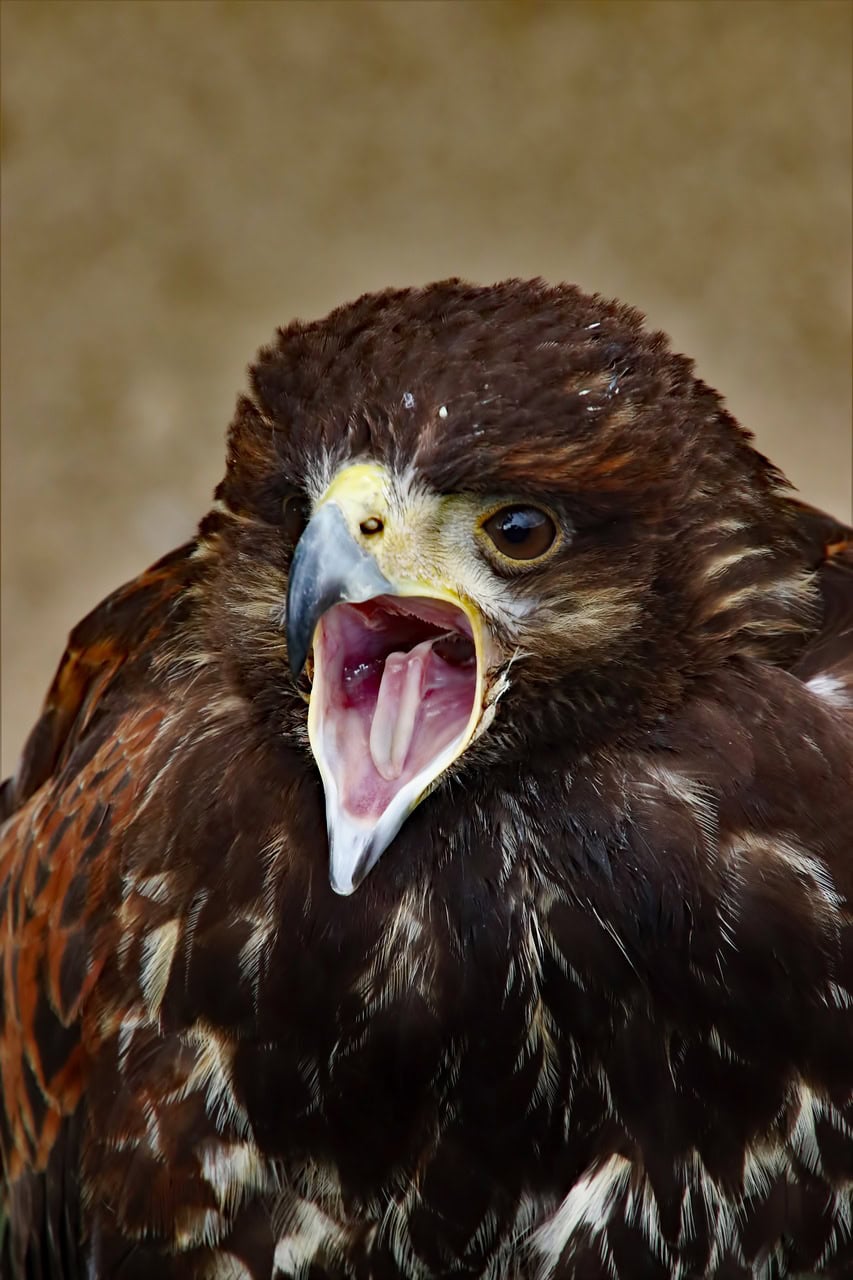
From what I know, captive Harris hawks tend to breed once a year, mostly triggered by specific environmental cues. Factors such as daylight length, temperature changes, and seasonal variations play significant roles in stimulating hormonal shifts for breeding. Providing a habitat that replicates their natural environment with ample space, perches, and nesting sites is essential for successful breeding outcomes. Breeding is an intricate process that requires careful observation, monitoring, and management to ensure the safety and well-being of both the hawks and their offspring. Let me guide you more on the topic by sharing the information below alongside my own personal experiences.
Factors Affecting Breeding Frequency
Breeding frequency in Harris Hawks is significantly influenced by factors such as age, diet, and environmental conditions. Providing adequate space, nesting materials, and privacy is crucial for encouraging breeding behavior in a breeding environment. Nutritional requirements play a vital role in ensuring successful breeding outcomes. A nutrient-dense diet rich in proteins, vitamins, and minerals is essential for maintaining optimal health during the breeding season.

Social dynamics within a group of Harris Hawks can also impact breeding frequency. Dominance hierarchies and interactions between individuals may influence mating opportunities and pair bonding. Understanding the reproductive behavior of Harris Hawks is key to promoting successful breeding.
Environmental cues such as daylight length and temperature changes trigger hormonal shifts that stimulate breeding behaviors. By considering these factors, breeders can optimize breeding frequency in Harris Hawks under captive conditions.
When do Harris Hawks breed?
During the breeding season (typically from late winter to early spring), Harris Hawks typically engage in mating behaviors triggered by environmental cues such as daylight length and temperature changes. Seasonal variations play a crucial role in shaping their breeding habits, influencing their reproductive behavior and breeding cycles. Environmental influences act as breeding triggers, signaling the optimal time for mating. Harris Hawks reach breeding age at around two years old, with breeding intervals usually occurring once a year. Ensuring genetic diversity is essential for breeding pairs to produce healthy offspring. Below is a table summarizing key aspects of Harris Hawks’ breeding behavior:
| Category | Aspect | Detail |
| Seasonal variations | Breeding habits | Influenced by environmental cues |
| Reproductive behavior | Breeding cycles | Typically once a year |
| Environmental influences | Breeding triggers | Daylight length and temperature changes |
| Breeding age | Breeding intervals | Around two years old |
| Genetic diversity | Breeding pairs | Essential for healthy offspring |
Captive Breeding Success Tips
If you’re looking to boost the success of captive breeding programs for Harris Hawks, paying close attention to environmental conditions and dietary needs is crucial. Make sure the breeding environment closely resembles the natural habitat of the Harris Hawk. This includes providing plenty of space for the breeding pairs’ flying, perching, and nesting sites. Keeping temperature and humidity levels stable is also important to encourage successful breeding.
Diet diversity is key. Ensure the hawks receive a wide variety of prey, such as rodents, birds, and insects, to meet their nutritional needs and mimic their natural diet, which supports their health and breeding efforts.
Gentle and consistent handling techniques are essential to minimize stress during breeding activities. Building a trusting and comfortable relationship with the birds can significantly impact breeding success.
Don’t overlook the importance of encouraging social interactions among breeding pairs. Fostering bonding through courtship displays and mutual grooming can greatly enhance their breeding success.
Lastly, maintaining genetic diversity within captive populations is vital to avoid inbreeding and ensure the health and vitality of the Harris Hawk species. For long-term success, regularly assess and manage the genetic diversity of breeding pairs. Your careful attention to these details can significantly improve the effectiveness of captive breeding programs.
Importance of Breeding Records
Maintaining detailed breeding records is essential for tracking the health, behavior, and reproductive success of Harris Hawks in captivity. Record keeping allows for the analysis of breeding trends, ensuring that breeding pairs are selected strategically to maximize genetic diversity and reproductive health. By meticulously documenting each breeding event, including the dates of pairing, egg-laying, incubation, and hatching, breeders can identify patterns that may influence successful reproduction. These records are invaluable for monitoring the overall well-being of the captive population, enabling early intervention in case of any issues related to fertility or chick development.
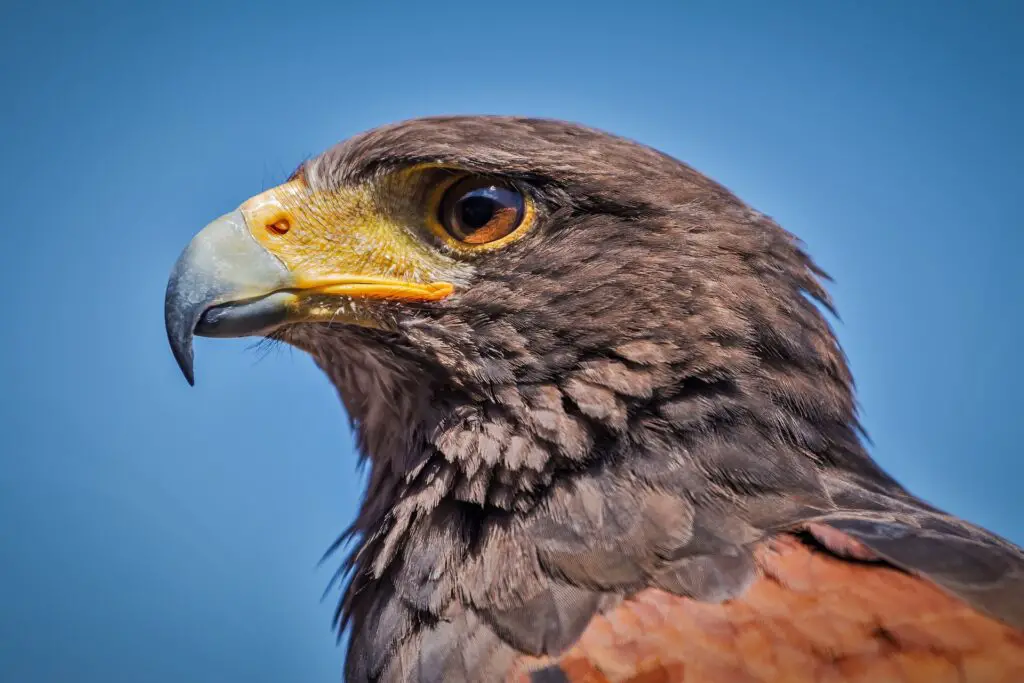
Furthermore, tracking the lineage of each bird through careful record-keeping helps avoid inbreeding and promotes the long-term sustainability of captive Harris Hawk populations. Understanding the genetic backgrounds of breeding pairs can significantly impact the health and viability of offspring. Therefore, maintaining comprehensive breeding records is not just a task of administrative necessity but a critical tool for ensuring the continued success of captive breeding programs.
In conclusion, breeding Harris hawks in captivity can be a rewarding but challenging endeavor. Factors such as age, health, and environment play a crucial role in determining breeding frequency. Falconers can increase the likelihood of successful breeding outcomes by closely monitoring breeding behavior, providing proper care, and maintaining detailed records.