
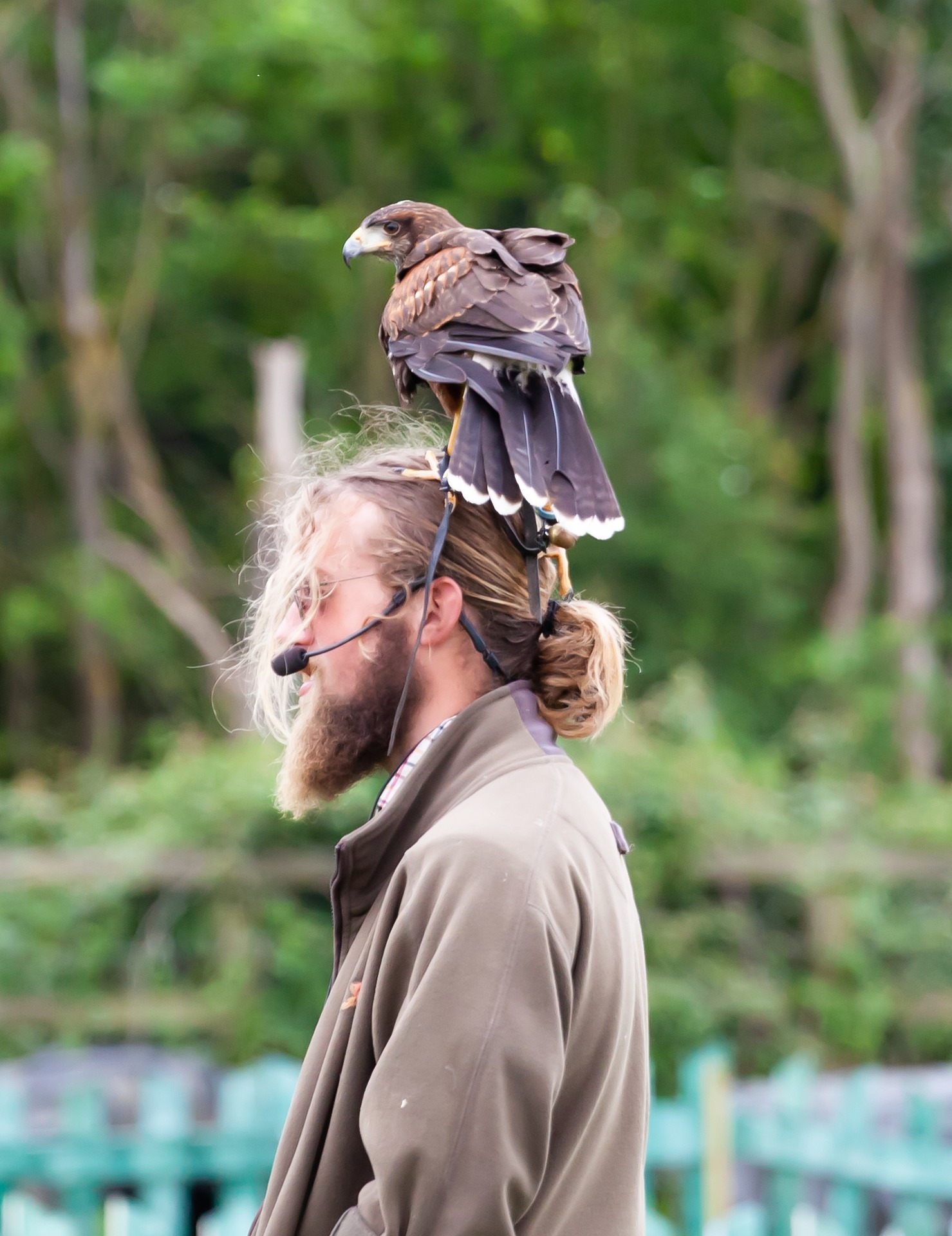
If you are new to falconry and wondering how often you should fly your Harris hawk, my answer would be as much as possible. Flying a Harris hawk regularly is crucial for its well-being. I consider factors like weather and prey availability when planning flights. Monitoring my bird’s fitness levels helps me create a balanced flying schedule tailored to its age and health. Flight sessions not only provide physical exercise but also mental stimulation and strengthen our bond. Join me as I share my experiences, and I hope to make your life easier with the content laid out below.
How often should I fly my Harris hawk?
In my opinion, you need to fly your Harris Hawk at least 2-3 times a week for at least 30 minutes per session, and this, I feel, is the bare minimum. ?Flying your Harris Hawk regularly is crucial for maintaining its physical and mental well-being. Several factors come into play when considering how often to fly your hawk. Firstly, weather conditions play a significant role. It is essential to fly your hawk in suitable weather, avoiding extreme temperatures or heavy rain, which can be harmful to your bird.

Time management is also crucial. Allocating enough time for a proper flying session is important. Hawks need to fly for a sufficient duration to stay healthy and happy. Distractions should be minimized during these sessions to ensure focus and safety for both you and your hawk.
Monitoring your hawk’s fitness levels is key. Regular flying helps maintain muscle strength and agility. Additionally, considering prey availability is vital. Flying your hawk in areas with abundant prey ensures successful hunting opportunities, which are essential for its well-being. You can create a flying schedule that optimizes your Harris Hawk by balancing these factors.
Importance of Regular Flying Sessions
Regularly engaging in flying sessions with your Harris hawk is essential for fostering a strong bond and ensuring its physical and mental well-being. Consistency in these sessions brings numerous benefits for you and your hawk. Flying provides mental stimulation for the bird, keeping its mind sharp and engaged. The physical exercise obtained through flying sessions is crucial for maintaining your hawk’s health and fitness levels. Moreover, these sessions serve as a form of social bonding between you and your feathered companion, strengthening your relationship and trust.
Tailoring Flight Schedule to Age
When tailoring the flight schedule of your Harris hawk to its age, it is crucial to consider the bird’s developmental stage and physical capabilities. Young hawks require daily exercise to build strength, agility, and hunting skills. Regular flights help develop their muscles and coordination. For senior birds, weekly flights are more suitable to prevent exhaustion and strain on their aging bodies. Adjusting flight schedules according to seasonal changes is essential. In hotter months, it’s best to fly your hawk during cooler times of the day to avoid heat stress.
During colder seasons, shorter flight sessions may be necessary to prevent discomfort. Weather conditions also play a significant role in age adjustment. Extreme temperatures or strong winds can impact a hawk’s ability to fly comfortably and safely. Being attuned to your bird’s age and adapting the flight schedule accordingly ensures their well-being and enjoyment of the flying experience.
Adjusting Flights Based on Health
As a responsible falconer, monitoring your Harris hawk’s health regularly is essential. Factors such as illness or injury can significantly impact their flying capabilities and should be considered when planning flight sessions. Injured birds may require rest periods, while sick birds may need additional care and attention. Adjusting the flight schedule to accommodate these situations helps promote a speedy recovery and prevents any further harm to the bird.
Flight Frequency for Training Progress
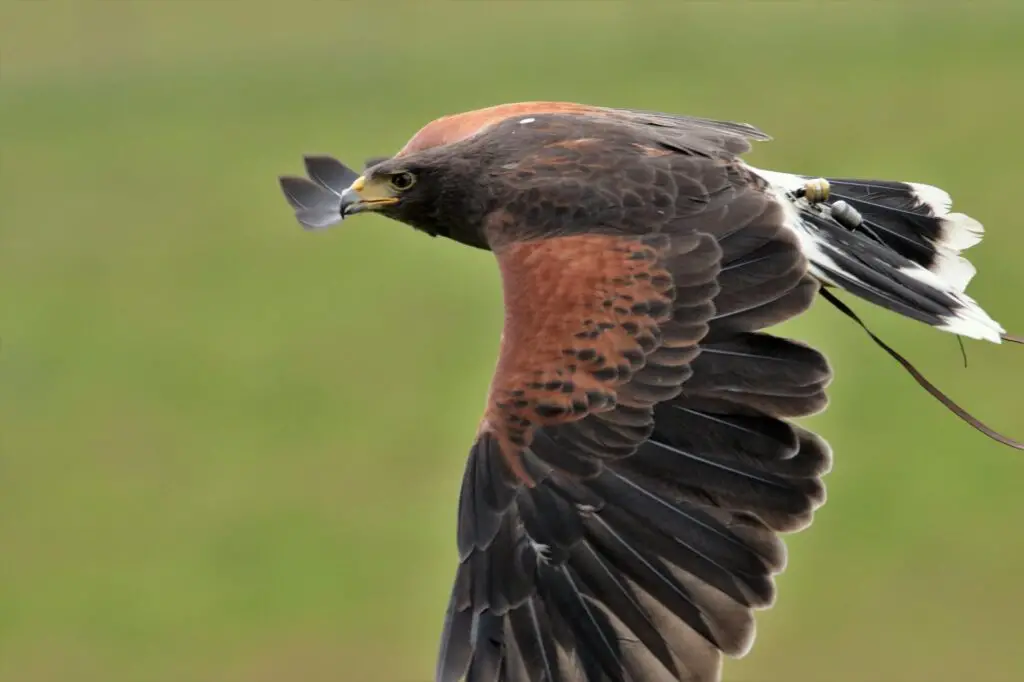
To ensure steady training progress with your Harris hawk, it’s important to establish a consistent flight frequency that aligns with your goals and your bird’s capabilities. Training consistency is key in developing a strong bond and effective communication with your hawk. By flying regularly, you reinforce lessons and build upon previous training sessions. Frequency benefits are manifold; your hawk will stay engaged, retain information better, and improve its overall performance. Progress tracking becomes more accessible when flights are consistent, allowing you to identify areas for improvement and adjust training methods accordingly. Flight duration should be tailored to your bird’s fitness level and attention span, gradually increasing as your hawk builds stamina and focus. Regularly meeting exercise requirements ensures your Harris Hawk remains physically fit and mentally stimulated.
Flying a Harris Hawk regularly is essential for their physical and mental well-being. By tailoring their flight schedule to their age and health, I can ensure they stay in top condition and continue progressing in their training. It’s not just about exercise but also about building a strong bond and trust between us. So, I make sure to fly my hawk often, keeping our partnership strong and our flights smooth and enjoyable.