
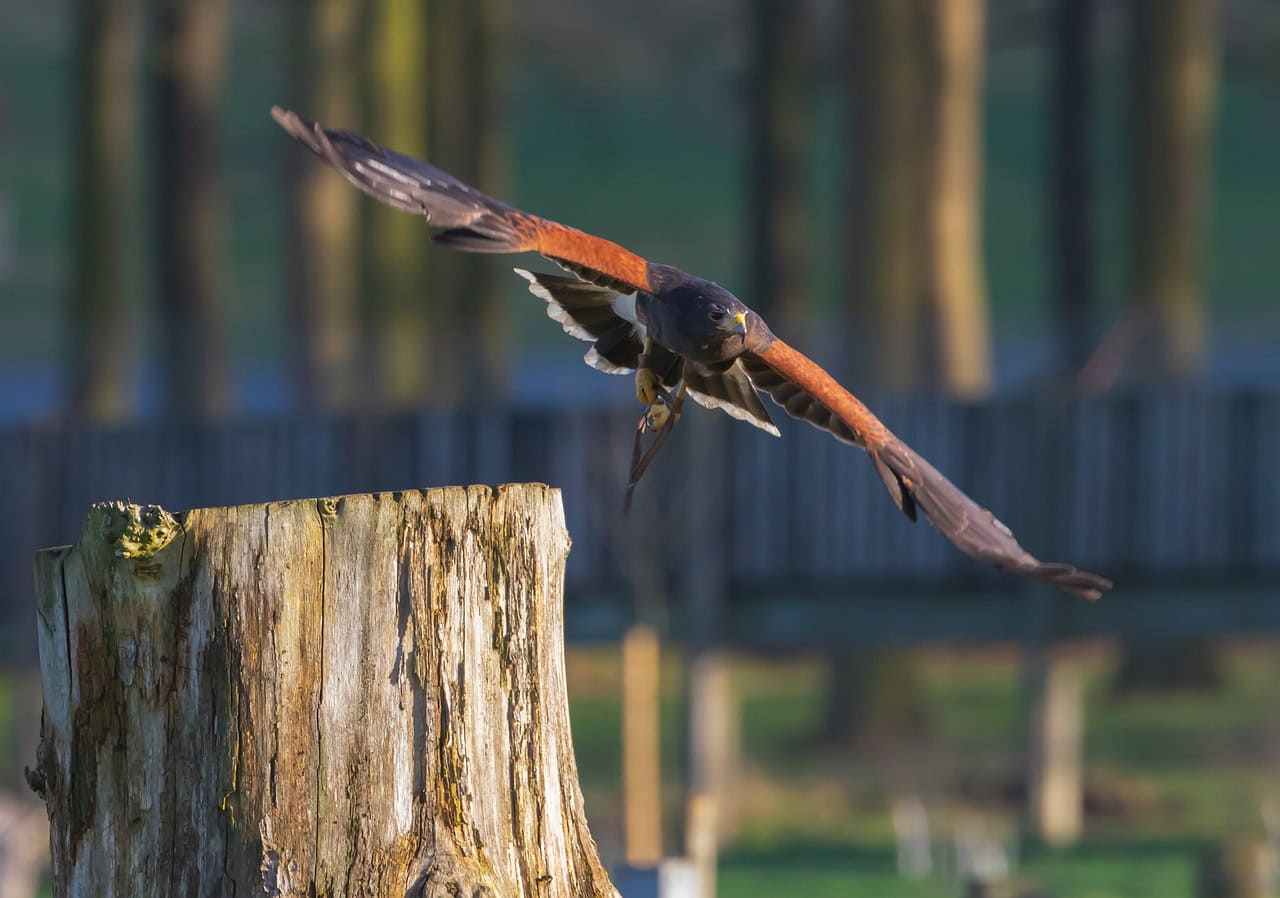
Creating an optimal environment for birds in captivity, whether in an aviary or mew, necessitates a keen understanding of how to regulate temperature effectively. Raptors in captivity, much like their wild counterparts, thrive in conditions that are designed to mimic their natural habitats. I have achieved this many times, and I hope to share with you how I accomplished this, throughout this article, I will explain more about how to warm up and cool your aviary, as well as natural and manual cooling and heating methods.
Importance of Proper Temperature Control
Maintaining the right temperature in your aviary or mew is crucial for the health and well-being of your birds of prey. Consistent monitoring of temperature levels ensures that your feathered companions are comfortable and stress-free. Proper temperature control is key to preventing illnesses and promoting optimal conditions for your birds to thrive.
Monitoring Temperature Levels
Properly monitoring the temperature levels in your aviary or mew is essential for ensuring the well-being and health of your feathered companions. Utilizing temperature sensors allows for accurate and real-time temperature readings, enabling prompt adjustments when needed. Heat lamps and cooling fans are valuable tools to help regulate temperature extremes, ensuring a comfortable environment for your birds. Setting appropriate thermostat settings is crucial to maintaining a consistent temperature range. Additionally, exploring insulation options such as thermal curtains or foam insulation can aid in preserving the desired temperature within the aviary or mew. By actively monitoring and controlling temperature levels through these methods, you can create a safe and comfortable space for your avian friends.
Natural ways to regulate temperature
When constructing your mew or aviary, consider incorporating natural elements such as gravel or mesh netting to help regulate temperature effectively. Insulating materials like straw or wood shavings can be used on the floor to provide warmth during colder months and maintain coolness in the summer. Shade structures such as trees or awnings can offer relief from direct sunlight and help control the overall temperature inside the enclosure. Utilizing thermal mass by strategically placing large rocks or bricks can absorb and release heat, stabilizing fluctuations. Cross ventilation, achieved by placing openings on opposite sides of the aviary, allows fresh air circulation, preventing heat buildup. Additionally, incorporating water features like a small pond or misting system can cool the air through evaporation, lowering the overall temperature.
How to keep your Harris Hawks aviary warm in the winter
During the winter months, ensuring your Harris Hawks aviary stays warm is crucial for their well-being and comfort. To achieve this, proper insulation techniques are essential. Start by insulating the walls and roof of the aviary with materials like foam boards or thick blankets to trap heat inside. Consider using heating options such as radiant heaters or ceramic heat emitters placed strategically to provide warmth without posing a fire hazard.
Additionally, using thermal blankets to cover the aviary at night can help retain heat and protect your hawks from cold drafts. It’s crucial to pay extra attention to winter aviary care by checking for any gaps or leaks that could let cold air in and making sure the water supply doesn’t freeze.
For added warmth, installing heat lamps can create a cozy spot for your Harris Hawks to rest during the chilly winter days. By implementing these measures, you can ensure your feathered companions stay comfortable and healthy throughout the winter season.
How to keep your Harris Hawks aviary cool in the summer
It is important to implement effective cooling strategies in their aviary to maintain a comfortable environment for your Harris Hawks during the summer months. Here are some key methods to keep your Harris Hawks cool in the summer:
| Shade Solutions | Cooling Techniques |
| Planting tall trees | Using fans |
| Providing awnings | Evaporative cooling |
| Using shade cloth | Cold water baths |
Planting tall trees around the aviary can provide natural coverage when considering shade solutions. Additionally, utilizing shade cloth or installing awnings can offer extra protection from direct sunlight. Cooling techniques such as using fans, evaporative cooling, and providing cold water baths can help lower the overall temperature in the aviary. Water misters are also effective in hot weather, creating a cooling effect through evaporation. Ensuring proper ventilation by adding vents and using exhaust fans will help circulate fresh air, preventing heat buildup. Implementing these strategies, along with considering insulation options, helps create a comfortable environment for your Harris Hawks, even in the peak of summer.
Overall, maintaining the proper temperature in your aviary or mew is crucial for the health and well-being of your birds. By utilizing natural methods such as proper ventilation, shade, and insulation, you can ensure that your Harris Hawks are comfortable year-round. Whether it’s keeping them warm in the winter or cool in the summer, taking the time to regulate the temperature will lead to happier and healthier birds in the long run.