
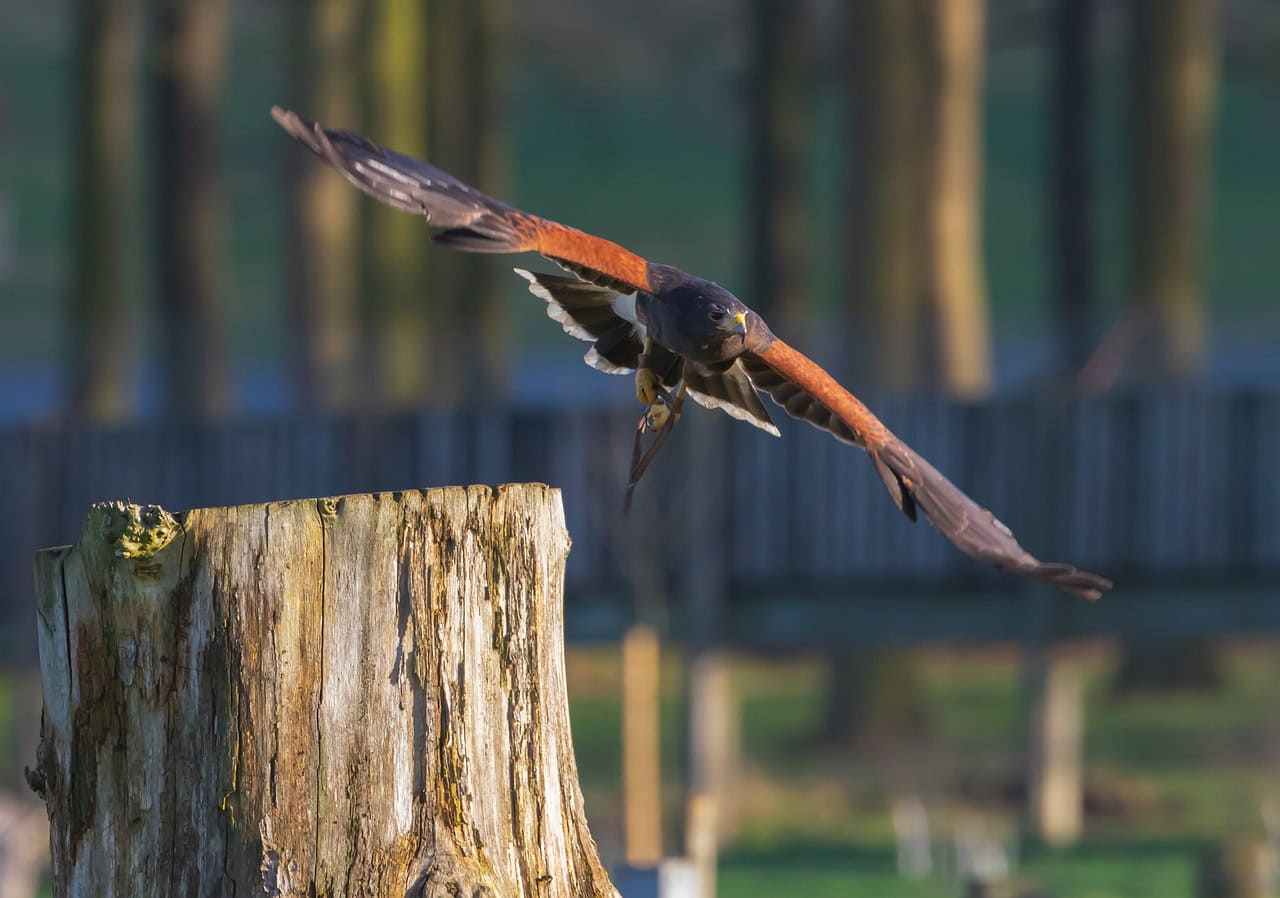
Back in the day, when I reared my first young Harris Hawks, I never anticipated the challenges and rewards that would come with it. From the delicate task of checking the embryo’s viability to meticulously monitoring its growth and development, each step in the process requires patience and precision. As I navigated through the intricacies of food preparation, supplements, and imprint training, I found myself lost with what needed doing; lucky for you, I have been through this process, and below, I will speak about what you should do to ensure successful hatching.
Rearing the Eggs and Hatchlings
When rearing Harris hawk eggs and hatchlings, it’s important to meticulously mark and weigh the eggs for monitoring. Incubating the eggs requires dedication and precision to guarantee the best conditions for the developing embryos. Regularly turning the incubated eggs is essential to promote even heating and successful hatching.
Mark and weigh the eggs
To properly monitor the development of Harris hawk eggs, it is essential to carefully mark and weigh each one before incubation begins. Here are some key steps for marking and weighing the eggs:
- Marking: Use a pencil to mark each egg with a unique identifier to track its progress accurately.
- Weighing: Use a precise scale to weigh each egg and record the weight for future reference.
- Temperature Control: Make sure the eggs are stored at a consistent temperature to promote healthy development.
- Nesting Materials: Provide suitable nesting materials to create a comfortable and secure environment for the eggs.
Incubate Eggs:
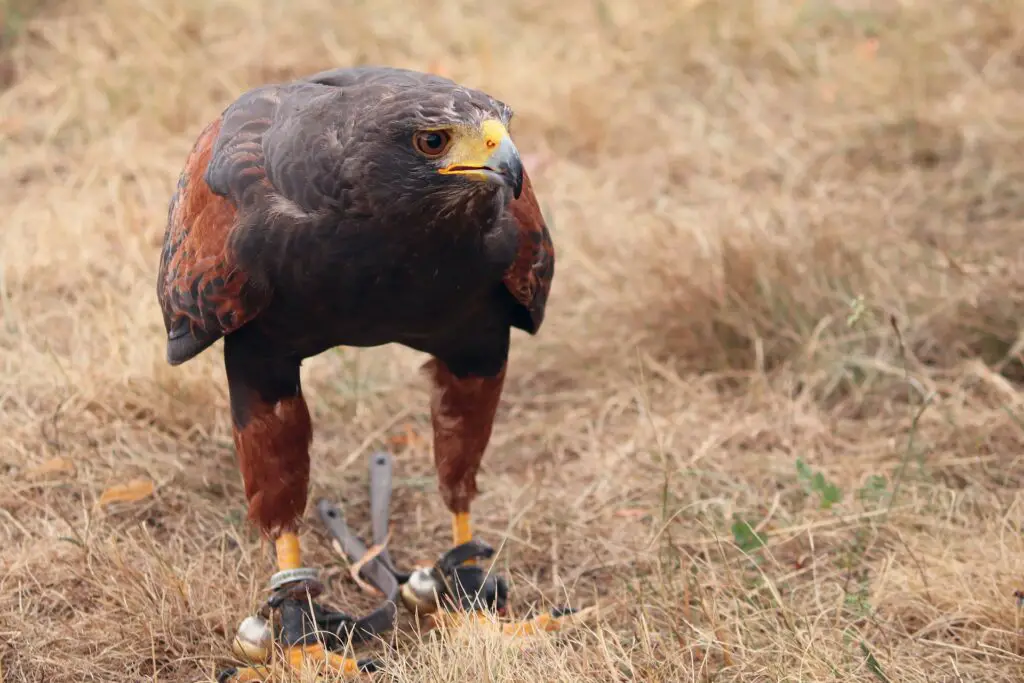
During this critical phase of rearing the eggs and hatchlings, maintaining ideal incubation conditions is paramount for the healthy development of young Harris Hawks. Temperature regulation is essential; I closely monitor the incubator to ensure it stays between 99 and 100 degrees Fahrenheit. Humidity levels are equally important. They are typically set around 40-50% for the first 25 days, then increased to 65% for hatching. Regular incubator maintenance is a routine task to guarantee everything runs smoothly.
Ensure regular turning of the incubated eggs.
Maintaining a consistent schedule for turning the incubated eggs is a key aspect of ensuring the healthy development of young Harris Hawks. To achieve the desired results, here are some essential tips:
- Egg rotation techniques: Gently rotate the eggs at least 3-5 times a day to prevent the embryo from sticking to the shell.
- Incubator humidity levels: Maintain humidity levels between 45% and 50% during days 1-18 and increase to 65% for the final days before hatching.
- Embryo development stages: Familiarize yourself with the distinct developmental milestones to monitor the progress accurately.
- Candling method variations: Learn and apply different candling techniques to observe the embryo’s growth and detect any issues early on.
Check embryo for viability.
When checking the embryo for viability, the candling technique is essential for observing the development inside the egg. I carefully monitor vein development to make sure the embryo is healthy and growing properly. Additionally, I pay close attention to the size of the air cell as it can indicate the overall health of the developing chick.
Candling Technique
With a small, powerful flashlight in hand, I gently hold the Harris Hawk egg up to the light to begin the candling process, carefully examining the embryo for signs of viability. This technique is essential for ensuring healthy hatchlings. Here are some key aspects to take into account during the candling process:
- Nestling behaviour: Understanding the behaviour of young Harris Hawks in the nest is necessary for proper care.
- Wing development: Monitoring the growth and development of the wings is crucial for evaluating the health of the embryos.
- Feather growth: Observing feather growth patterns can indicate the overall well-being of the embryo.
- Parental care: Ensuring that the parent hawks are providing adequate care and attention to the eggs is vital for successful hatching.
Vein Development:
As I examine the Harris Hawk embryo, one critical aspect to evaluate is the development of veins, a key indicator of the embryo’s viability for successful hatching. Vein development is vital as it ensures proper circulation and nutrient delivery, which is essential for the growth and health of the embryo. I meticulously monitor the growth of veins through candling and track their progress to ensure the embryo is developing as expected. This detailed growth monitoring allows me to adjust feeding techniques, imprint training, and other care procedures accordingly. By regularly checking vein development, I can assess the overall health of the embryo and its readiness for hatching.
| Indicator | Description | Importance |
| Vein Development | Healthy network | Vital for growth |
| Growth Monitoring | Regular checks | Ensures progress |
| Viability Check | Assessment of health | Readiness for hatch |
Air Cell Size:
Inspecting the air cell size of the Harris Hawk embryo is a critical step in evaluating its viability for successful hatching. When evaluating the air cell, consider these key factors:
- Air Cell Formation: Monitor the development of the air cell to guarantee proper growth and maturity.
- Incubation Period: Adjust the incubation period based on the air cell size to optimize hatching conditions.
- Egg Weight: The air cell size can indicate the overall health and quality of the embryo within the egg.
- Hatchling Health: A well-developed air cell often correlates with stronger and healthier hatchlings.
Maintaining the right nest temperature is vital for supporting proper air cell development, as it directly impacts the embryo’s growth and overall viability.
When to expect the hatchlings
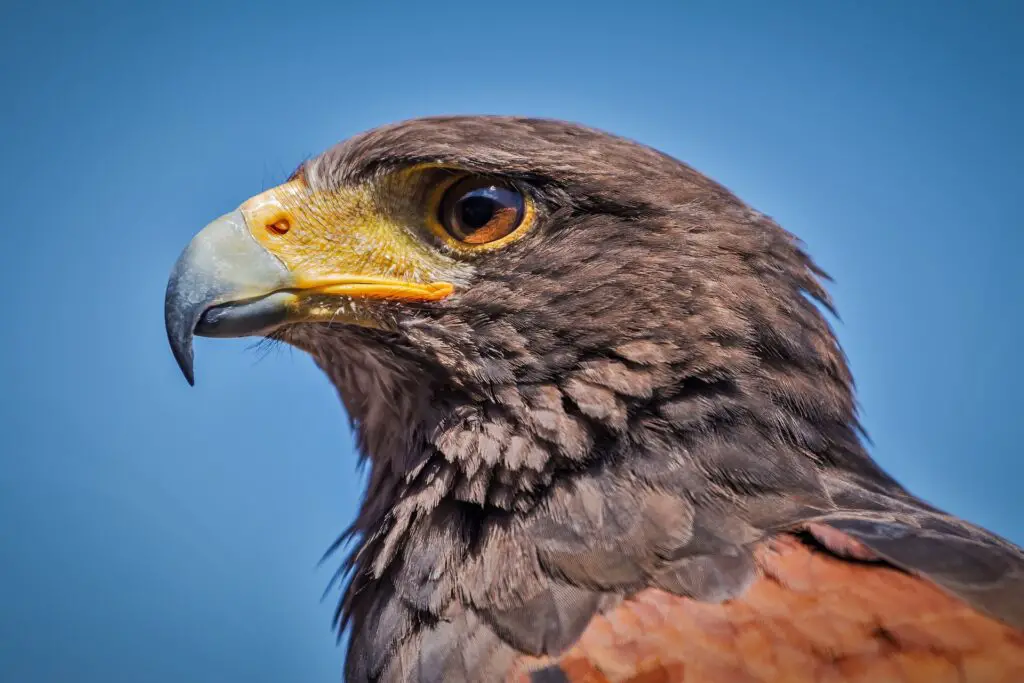
Anticipate the arrival of the hatchlings as the incubation period draws near its end. The nesting behaviour of Harris Hawks is a sight to behold. Witnessing the parents diligently preparing the nest, ensuring it’s safe and cosy, fills me with excitement for what is to come. The incubation period, which typically lasts around 33 days, is a time of anticipation and wonder. As a seasoned falconer, I have learned to appreciate the dedication and care the parents exhibit during this period. Their commitment to keeping the eggs warm and protected is vital for the successful development of the hatchlings.
Parental care is paramount during the incubation period and continues post-hatch. The hatching process itself is a marvel of nature. Watching the tiny beaks pierce through the shells, followed by the fluffy heads emerging, never fails to amaze me. From this moment on, the growth milestones of the young Harris Hawks become apparent. Their rapid development, from helpless hatchlings to independent juveniles, is a journey filled with learning and discovery.
As the hatchlings start to break free from their shells, my heart swells with pride and joy. Each chirp and flutter signals new life and the beginning of a remarkable bond between falconer and hawk. The anticipation of the hatchlings’ arrival is just the start of an incredible adventure that I am privileged to commence time and time again.
Monitoring Growth and Development
With keen observation and meticulous record-keeping, I track the growth and development of the young Harris Hawks under my care. Here are the key aspects I focus on to guarantee their well-being and successful development:
- Growth Milestones: Monitoring the hatchlings’ weight, size, and feather development is essential to ensure they grow at a healthy rate and hit key milestones.
- Behavioural Changes: Observing changes in behaviour, such as increased activity, exploration, or hunting instincts, can indicate that young hawks are developing normally.
- Nutritional Needs: Providing a well-balanced diet is critical for their growth. Adjusting their food intake as they grow ensures they receive the necessary nutrients for proper development.
- Health Monitoring: Regular health check-ups and observing for any signs of illness or injury are essential. Addressing any health concerns promptly is crucial for their overall well-being.
Moreover, I pay close attention to wing development, ensuring that their wings grow symmetrically and strengthen properly for future flight. By meticulously monitoring these aspects of growth and development, I can provide the best care for the young Harris Hawks and set them up for a successful future.
Food Preparation for Hatchlings
When it comes to rearing young Harris Hawks, food preparation for hatchlings is an important aspect that demands precision and care. Establishing a feeding schedule, meticulously selecting the right diet composition, and mastering the feeding technique are essential components of nurturing these young birds. I have found that attention to detail in these areas guarantees the healthy growth and development of the hatchlings.
Feeding Schedule:
Preparing food for hatchlings involves meticulously selecting high-quality ingredients that are rich in nutrients essential for their growth and development. When it comes to feeding young Harris Hawks, attention to detail is paramount. Here are key points to contemplate:
- Feeding frequency: Young hatchlings require frequent feeding to support their rapid growth.
- Nutritional requirements: Providing a balanced diet is essential to ensure proper development and health.
- Feeding behaviour: Understanding their feeding habits helps establish a consistent routine.
- Handling techniques: Gentle handling during feeding sessions is essential to build trust and reduce stress.
Diet Essentials:
- Lean Meats: Main sources include quail, chicken, and mice. These are rich in the proteins and fats necessary for growth.
- Supplements: Calcium and vitamin supplements are critical for bone development and overall health. A well-formulated bird of prey supplement should be added to the diet to prevent deficiencies.
- Hydration: Fresh water should always be available, especially during and after feeding, to ensure proper hydration ( you can also add a little water to the food to increase hydration intake).
A properly balanced diet and supplements lay the foundation for the healthy development of baby Harris Hawks. Below is a table outlining the recommended food types at different stages of their early life.
| Age (weeks) | Food Type | Frequency | Supplements |
| 1-2 | Small pieces of lean meat (quail, chicken) | 5-6 times a day | Calcium, Vitamins |
| 3-4 | Mice (pinkies), small pieces of meat | 4-5 times a day | Calcium, Vitamins |
| 5-6 | Larger pieces of meat, small whole prey | 3-4 times a day | Calcium, Vitamins |
| 7+ | Whole prey (mice, small rats) | 2-3 times a day | Calcium, Vitamins |
It is essential to monitor the response of the hatchlings to different foods and adjust the diet as necessary. The goal is to closely mimic natural hunting and consumption patterns, thus promoting optimal health and preparing them for eventual release or life in a captive but enriched environment.
Feeding Technique
Firstly, training a hawk to feed begins by dangling a piece of meat at eye level in front of the bird. Repeat this process until the hawk learns to grab the meat independently. Gradually lower the meat with each feeding session, progressing to placing the food on a small plate for the hawk to consume on their own. It is crucial to maintain cleanliness while preparing the hawk’s food. Here is a step-by-step guide on how to clean their food properly:
- Remove any excess fur and ensure the meat is free from contaminants.
- Cut bones into small pieces to encourage the hawk to handle and consume them effectively.
After approximately four weeks of training, the hawk should be capable of feeding independently. However, to reinforce positive feeding behavior, it is recommended that the hawk continue hand-feeding sporadically throughout its first year.
Supplements for Chicks
With young Harris hawks, providing the necessary supplements is important for their growth and development. Feeding patterns are critical during this stage, and making sure the chicks receive a balanced diet is key. Nutritional balance is essential for their overall health and development, so I pay close attention to the nutrients they are receiving. As they reach growth milestones, like feather development and increased activity, the right supplements can support their progress.
Health monitoring is a daily task to make certain the chicks are thriving. Any signs of deficiency or illness are promptly addressed with the help of supplements tailored to their needs. Behavioural training is also influenced by their diet and the supplements they receive. A well-nourished chick is more likely to engage positively in training sessions, making the learning process smoother and more effective.
Essential Supplements for young Harris Hawks:
- Calcium: Vital for strong bone development and avoiding conditions such as metabolic bone disease.
- Vitamin D3 is important for calcium absorption, as it supports healthy bone growth and proper immune function.
- Taurine: An essential amino acid that birds cannot produce on their own. It’s critical for cardiac function, eyesight, and overall development.
- Vitamin E: An antioxidant that plays a significant role in protecting cells from damage and aiding in muscle development.
- Vitamin A: Necessary for proper growth, immune function, and vision health.
- Probiotics: Beneficial for maintaining a healthy gut flora, supporting digestion, and enhancing nutrient absorption.
Imprint Training
For the young Harris hawks, incorporating imprint training can foster a strong bond and enhance their learning capabilities. Imprint training is an optional yet valuable technique that can have a major impact on a young hawk’s development. Here are some key aspects to take into account when implementing imprint training:
- Behavioural Challenges: Imprint training helps address potential behavioural challenges by establishing a foundation of trust and communication between the hawk and the trainer.
- Bonding Process: This training method plays an important role in strengthening the bond between the hawk and the handler, creating a relationship built on mutual respect and understanding.
- Training Methods: Imprint training involves consistent interaction, positive reinforcement, and patience to guide the hawk’s behaviour and responses effectively.
- Socialization Techniques: Through imprint training, the hawk can learn appropriate social behaviours, which are essential for its integration into human environments and interactions.
When setting up the enclosure for imprint training, it is important to create a safe and stimulating environment that promotes learning and engagement. By carefully planning the training sessions and implementing effective techniques, imprint training can shape the young Harris hawk into a well-adjusted and responsive companion.
How long does it take to hand rear Harris Hawk hatchling?
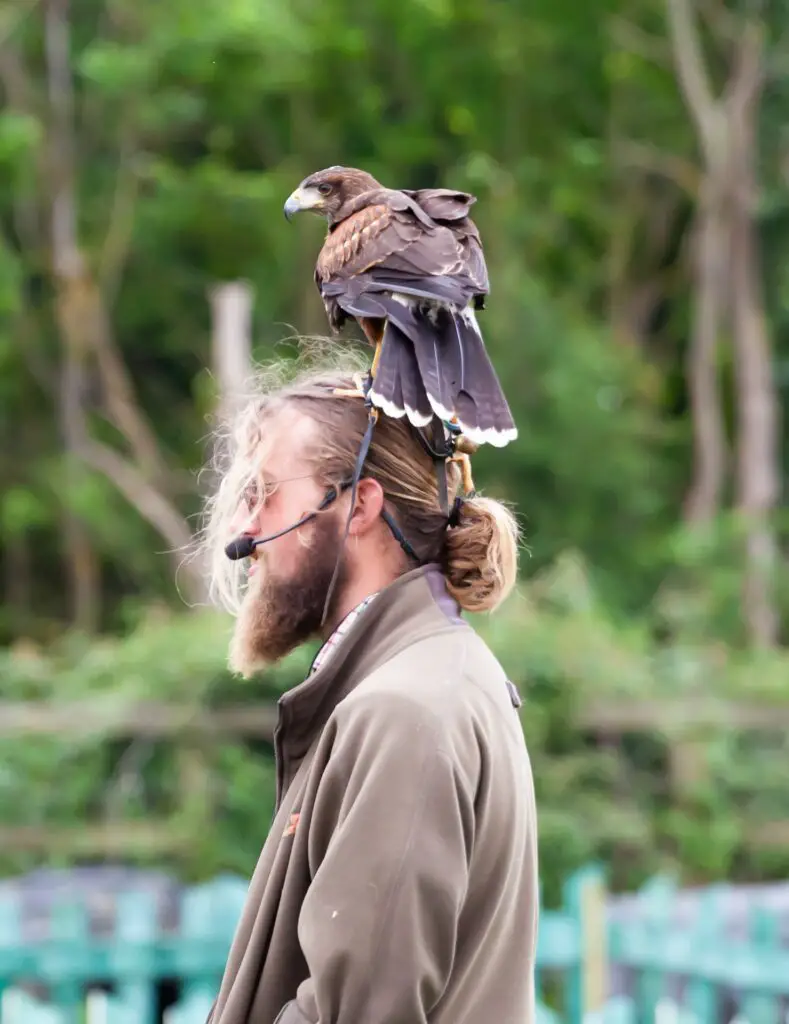
Hand-rearing a Harris hawk hatchling typically requires dedicated care and attention over several weeks to guarantee its healthy development and successful shift to independence. When hand-rearing a Harris hawk chick, it is important to understand the growth milestones that mark its progress. From the initial delicate stage, where the chick is entirely dependent on you for warmth and food, to the later stages, where it begins to develop feathers and explore its surroundings, each phase is critical for its overall development.
Handling techniques play an important role in the successful hand-rearing of a Harris hawk hatchling. It is essential to handle the chick gently and frequently to ensure it becomes accustomed to human interaction. This not only aids in its physical development but also helps build trust and facilitate the bonding process between the chick and its caregiver. Additionally, observing behavioural cues such as feeding responses, vocalizations, and body language is important for monitoring the chick’s health and well-being throughout the rearing process. This close monitoring allows for early detection of any issues that may arise, enabling prompt intervention to ensure the chick’s continued growth and development.
Rearing young Harris hawks is a rewarding and intricate process that requires dedication and attention to detail. From checking embryo viability to monitoring growth and development, every step is vital in ensuring the health and well-being of these magnificent birds. With proper care and love, watching them grow and thrive is truly a remarkable experience that I wouldn’t trade for anything in the world.