
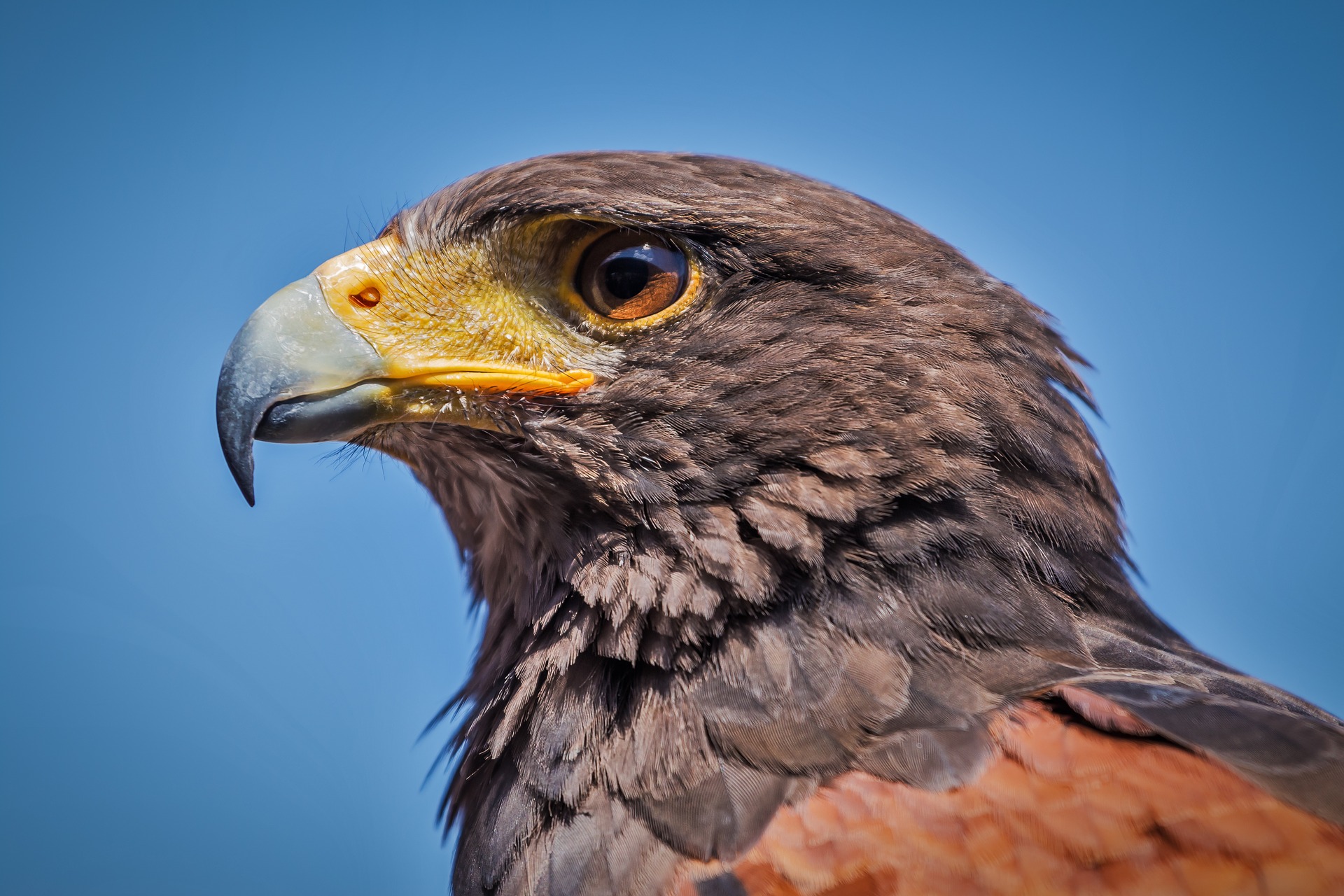
As a falconer hunting with Harris Hawks for numerous years, I am still amazed by the variety they can hunt, and often, people ask me what I hunt with my Raptors. Well, let me share with you the most common prey that I target during hunts:
- Rabbits
- Hares
- Ground-dwelling birds (such as quail and pheasants)
- Squirrels
- Rats
- Mice
- Pigeons
- Starlings
- Jays
- Magpies

Rabbits
Hunting rabbits with my Harris Hawk takes patience and a keen understanding of the landscape. We start at dawn, using the quiet of the early morning to our advantage. The thickets and brush provide ample hiding spots for the rabbits, requiring a strategic approach. I have to be especially vigilant, guiding my hawk to flush out the rabbits without causing them to bolt into inaccessible areas. The challenge lies in predicting the rabbit’s next move, a task that demands a synthesis of experience and intuition.
Hares
Hares are known for their incredible speed and agility, making them a popular prey for falconry enthusiasts. With my Harris Hawk, I track hares in open areas such as fields or meadows. We wait patiently until the hare’s behavior gives away its location, and then we make our move with precision and speed. The chase is exhilarating, with the hawk and hare weaving in and out of the landscape.
Ground-dwelling birds (such as quail and pheasants)
Ground-dwelling birds like quail and pheasants require a different approach in falconry. As they tend to stay close to the ground, my Harris Hawk needs to be trained to hunt at low levels. This involves working with the birds to build trust and hone their skills in maneuvering through thick vegetation. Once a target is spotted, the hawk takes off in a swift and calculated attack, catching the bird by surprise. It is a challenging hunt but a rewarding one when successful.
| Hunting Strategies | Training Techniques | Impact of Weather |
| Use of cover for ambush | Flushing and retrieval drills | Adaptation to windy conditions |
| Patience in stalking | Targeting specific prey | Avoiding extreme temperatures |
| Collaborative hunts with other birds of prey | Reinforcement of recall commands | Adjusting flight patterns accordingly |
| Importance of silent approaches | Conditioning for stamina | Utilizing thermals for efficiency |
| Utilizing elevation for advantage | Incorporating live prey in training | Monitoring hydration levels |
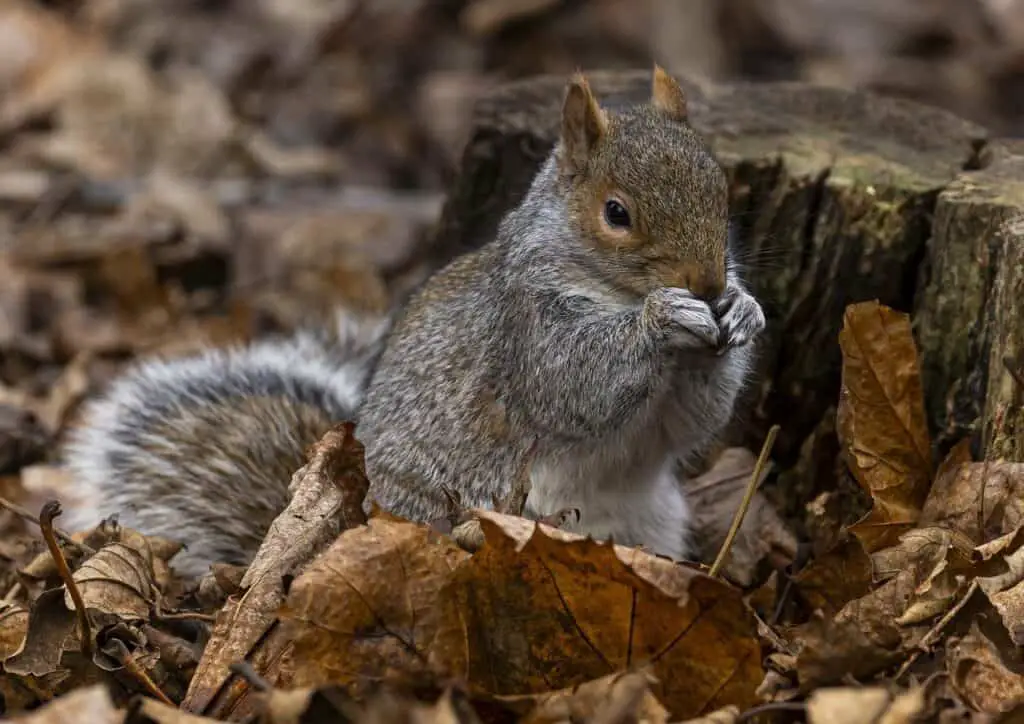
Squirrels
Hunting squirrels with my Harris Hawk is a test of both our agility and patience. These small rodents are quick and nimble, making them challenging prey for any bird of prey. We search for squirrels in various landscapes, from wooded areas to parks and gardens. Once spotted, the hawk makes its move, diving towards the squirrel at lightning speed. The success of the hunt relies on precise timing and a swift strike. Some considerations when hunting squirrels:
- Their speed and agility demand quick reflexes and a sharp eye.
- Their tendency to climb trees means my Harris Hawk must also be trained in vertical flight patterns.
- Camouflage techniques to blend in with the surroundings can be beneficial in tricking squirrels into a false sense of security.
Rats and Mice
Harris Hawks are particularly skilled at hunting rodents like rats and mice due to their superior aerial attacks. Hunting these small prey requires a lot of patience, as they can be elusive and difficult to spot in urban areas. My hawk’s precision is key here, as it swoops in for the kill with incredible accuracy. Some tips for hunting rats and mice:
- Being aware of the surroundings and potential hazards such as power lines or busy roads.
- Using a variety of tactics, such as hovering and stooping, to confuse and catch the rodents.
- Targeting areas with high rodent activity, such as garbage bins or parks with ample grassy areas for cover.
Mice
Similar to hunting rats, mice also pose a challenge in falconry. However, they are smaller and more agile, making them even trickier prey for my Harris Hawk. Here are some additional tips for hunting mice:
- Utilizing the hawk’s ability to fly close to the ground to catch them by surprise.
- Practicing with live prey during training to develop the hawk’s skills in catching small and quick-moving targets.
- Using lure techniques, such as dragging a piece of cloth on the ground, to simulate the movement of mice and hone the hawk’s instincts.
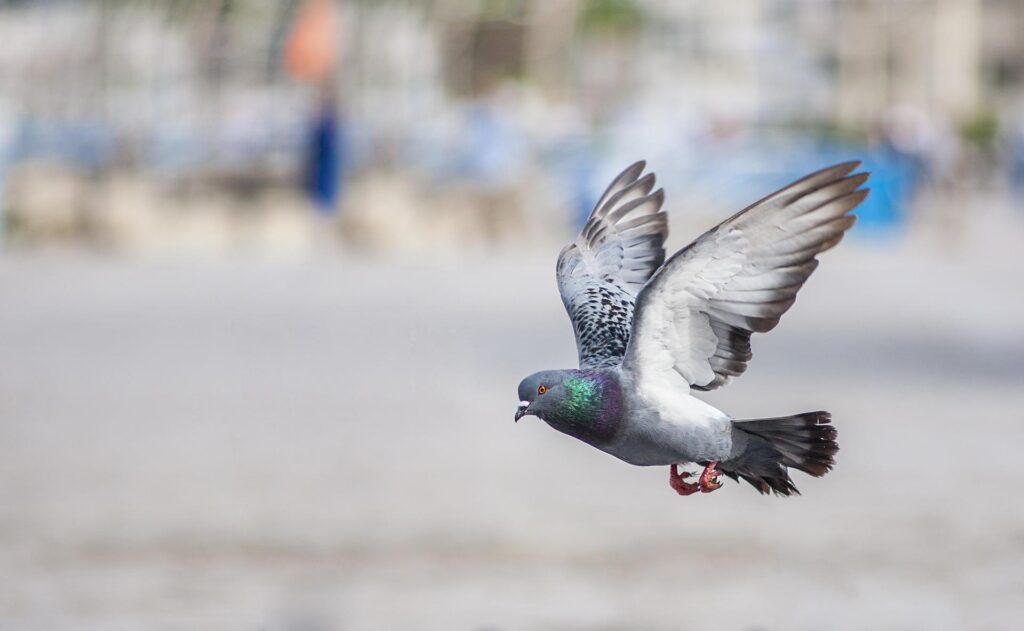
Pigeons
Pigeons are another common target for falconry, especially in urban areas. These birds have adapted to city life and can be found in large numbers around buildings and parks. Hunting pigeons with my Harris Hawk requires a high level of precision and control as we navigate through the busy surroundings. Here are some factors to consider when hunting pigeons:
- Maintaining control over the hawk is important, as pigeons can quickly scatter and hide in tight spaces.
- Being aware of potential hazards such as people, cars, and other birds in the area.
- Utilizing the element of surprise to catch pigeons off guard.
| Hawk Control | Pigeon Behavior | Hunting Areas |
| Reinforcement of Recall Commands | Social and Communal | Urban Areas |
| Proper Use of Leading Strings | Flocking Tendencies | Open Spaces with High Pigeon Activity |
| Training for Flight Speed and Accuracy | Nesting Locations | Strategic Use of Obstacles for Ambushes |
Starlings
Similar to pigeons, starlings are also common targets for falconry in urban areas. These birds travel in large flocks and can be found roosting on buildings or gathering in parks. Hunting starlings with my Harris Hawk involves strategic planning and precision. Here are some considerations when hunting starlings:
- The ability to control the hawk’s flight path to intercept the flock of starlings at the right moment.
- The importance of accurately timing attacks is clear: a poorly timed strike can alert the entire flock and cause them to scatter.
- Utilizing different techniques such as stooping or hovering to confuse and split up the flock before attacking.
| Starling Behavior | Starling Hunting Techniques | Starling Prey Preferences |
| Flocking tendencies | Ambush tactics | Insects and berries |
| Adaptability to threats | Team hunting strategies | Grains and seeds |
| Flight pattern variations | Confusion techniques | Fruit and suet |
Jays
Jays are also popular targets for falconry, but their populations have been decreasing in recent years due to habitat destruction and competition from other bird species. It is important for falconers to closely monitor the jay population and only hunt them when it is sustainable for both the birds and their ecosystems.
Overall, hunting with my Harris Hawk has opened my eyes to the intricate world of falconry and the diverse range of prey that can be targeted. It requires a deep understanding of the hawk and its prey and constant training and conditioning to ensure a successful hunt. Each species presents new challenges and learning opportunities for both myself and my hawk, making every hunting experience unique and rewarding.
Magpies
Magpies are a common and challenging prey for Harris Hawks. These intelligent birds are known for their ability to outsmart other animals, making them a worthy opponent in falconry. Hunting magpies requires a high level of skill and patience, as they can easily detect the presence of a hawk and quickly escape. Some tips for hunting magpies:
- Utilizing distraction techniques to lure the magpies away from their territory.
- Training the hawk to stay hidden and wait for the right moment to strike.
- Developing a strong relationship with the hawk is crucial to successfully hunting these elusive birds.
Hunting with my Harris hawks is not just a hobby; it’s a way of life. The bond we share as we hunt together is unmatched by any other experience. From rabbits to squirrels, pigeons to jays, these magnificent birds never fail to amaze me with their skill and precision. Every hunt reminds me of the beauty and power of nature, and I am grateful for the opportunity to witness it firsthand.