
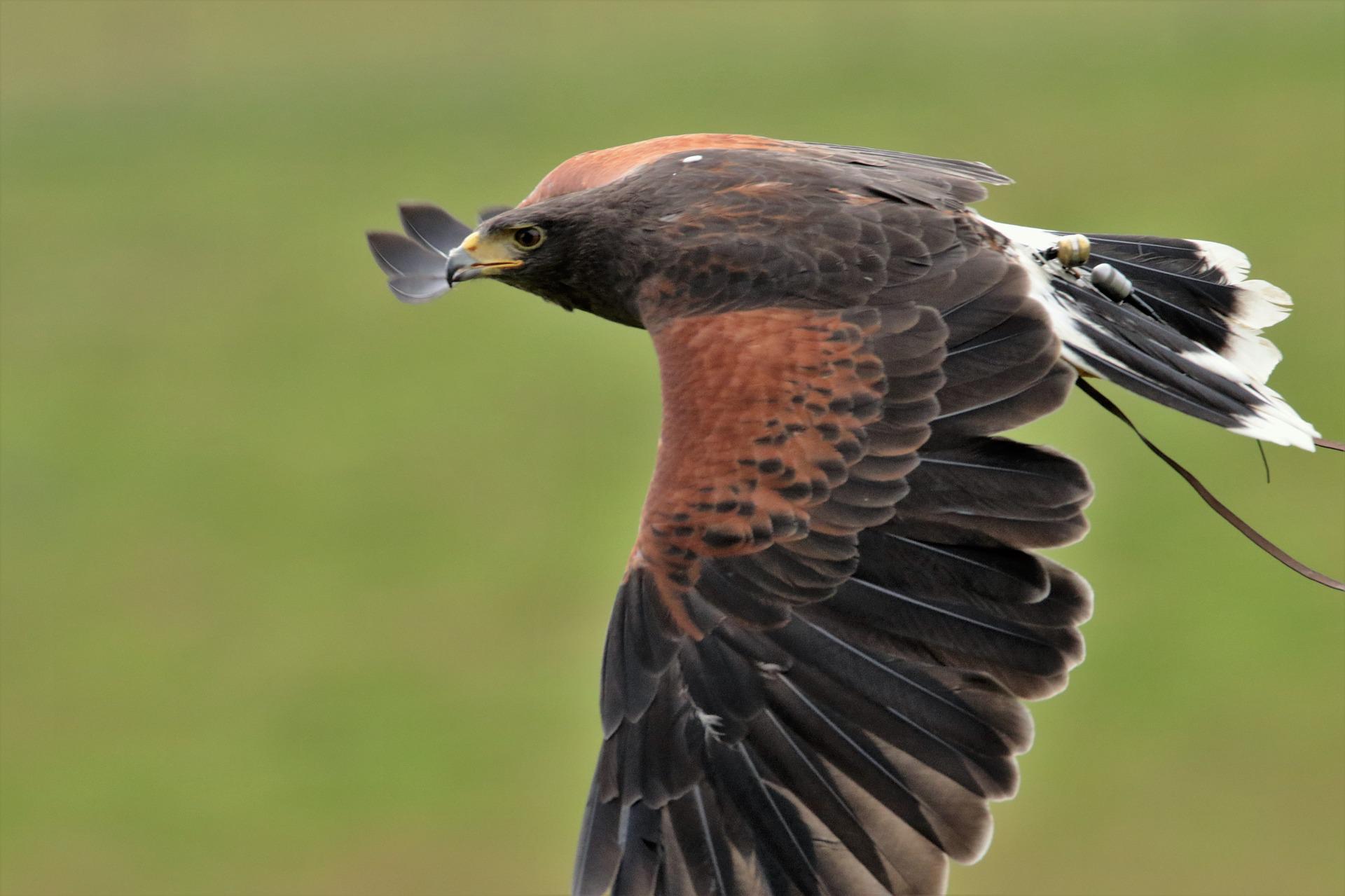
Yes, owning a Harris hawk is legal, but it’s crucial to know the specific regulations in your area. These regulations exist to ensure the well-being and protection of these magnificent birds. Training requirements, permit needs, and proper care are essential to comply with laws. From spacious aviaries to a balanced diet, responsible ownership is key. Severe penalties await those who illegally keep Harris hawks, so following the rules is a must. Remember, the more you know about ownership regulations, the better you can provide for your beautiful bird. I aim to cover the legalities and restrictions to enlighten you about owning a Harris Hawk with the information below.
Legal Restrictions on Harris Hawk Ownership
Although the Harris hawk is not endangered, it is still protected under the law. Raptors are birds of prey that hunt and consume other animals. The United States government has strict regulations in place to protect these types of birds.
One of the primary legal restrictions for owning a Harris hawk is obtaining a permit. In the United States, a federal permit is required to possess any bird of prey. This permit falls under the Migratory Bird Treaty Act of 1918, which aims to conserve and protect migratory birds. It’s essential to understand that you cannot simply purchase a Harris hawk and keep it as a pet without proper authorization.
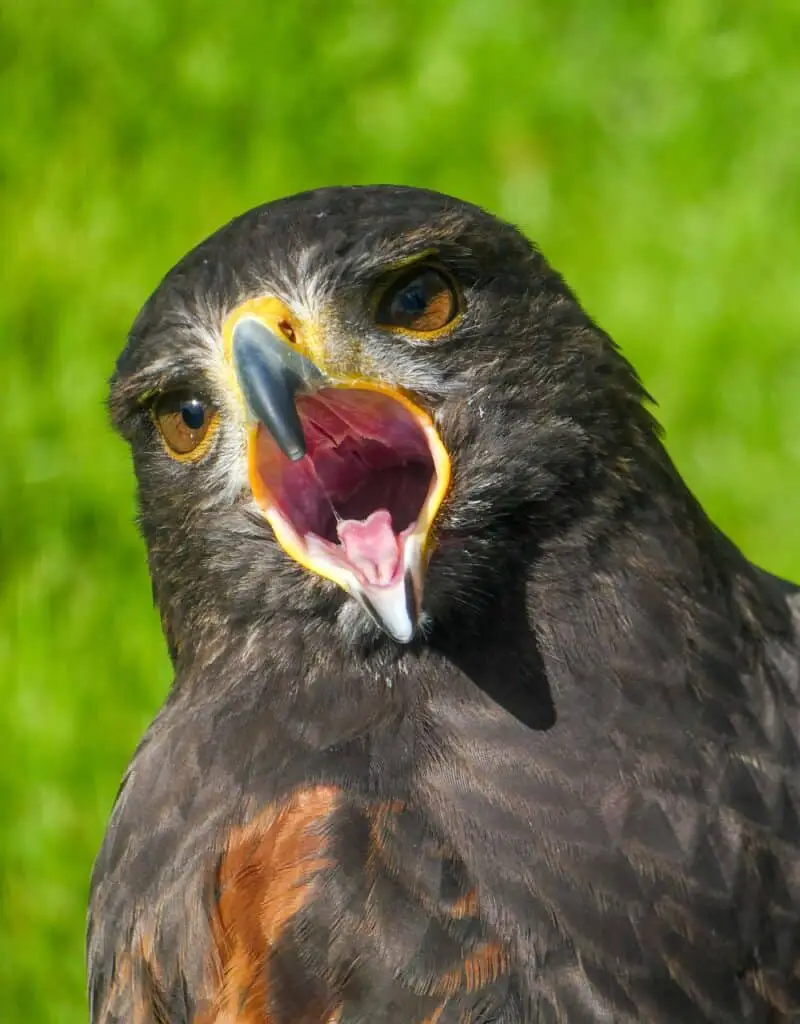
Additionally, there may be state-specific regulations for owning a Harris hawk. Some states may require additional permits or have specific guidelines for housing and care of these birds. It’s crucial to research and understand the laws in your state before considering owning a Harris hawk.
Permit and Licensing Requirements for Ownership
When considering the ownership of a Harris Hawk, it is crucial to be aware of the permit and licensing requirements that apply in your region. Owning a Harris Hawk entails responsibilities that aim to ensure the well-being of the bird and promote conservation efforts. Here are some key points to consider:
| Aspect | Details |
| Training requirements | Owners must undergo training to understand the needs of Harris Hawk and learn proper handling techniques. |
| Health checks | Regular health checks by a qualified avian vet are essential to ensure the bird’s well-being. |
| Falconry experience | Possessing falconry experience might be mandatory in some regions to demonstrate adequate knowledge and skills. |
| Wildlife rehabilitation | Owners may need to be prepared to participate in wildlife rehabilitation efforts if the bird is injured. |
| Conservation efforts | Being involved in conservation activities can be required to ensure Harris Hawks’ protection in the wild. |
Understanding and complying with these permit and licensing requirements enables lawful ownership and contributes to the protection and preservation of these magnificent birds.
Regulations for Housing and Care
Proper housing and care for a Harris Hawk are paramount to its well-being and vitality in captivity. Adhering to specific regulations to guarantee the bird’s health and happiness is essential when keeping one.
- Housing Requirements: Harris Hawks need a spacious aviary with perches at various heights to simulate their natural environment.
- Dietary Needs: It is crucial for their nutrition to provide a well-balanced diet of fresh meat, such as day-old chicks and rodents.
- Training Methods: Using positive reinforcement techniques, like reward-based training, helps build a strong bond between the hawk and its owner.
- Health Maintenance: Regular check-ups by an avian veterinarian are necessary to monitor the hawk’s health and address any potential issues promptly.
- Enrichment Activities: Offering mental stimulation through hunting simulations and interactive toys is vital to prevent boredom and ensure the hawk’s well-being.
Penalties for Illegal Ownership
. The consequences of violating laws related to wildlife trafficking, specifically in the context of owning a Harris Hawk without proper authorization, can be severe. Enforcement actions are taken seriously to protect endangered species and ensure the preservation of wildlife populations. Individuals involved in black market trading or illegal ownership of Harris Hawks may face significant fines imposed by regulatory authorities. Moreover, criminal charges could be brought against those found guilty of such offenses, leading to serious legal ramifications. It is crucial for anyone interested in owning a Harris Hawk to abide by the laws and regulations set forth by wildlife authorities to avoid getting entangled in legal troubles associated with the unauthorized possession of these majestic birds.
| Legal Consequences | Description |
| Fines Imposed | Significant financial penalties |
| Wildlife Trafficking | Violation of laws protecting wildlife |
| Enforcement Actions | Strict measures to uphold regulations |
| Criminal Charges | Legal proceedings for unlawful ownership |
| Black Market Trading | Illicit trade activities in the market |

In conclusion, owning a Harris hawk requires a deep understanding of the legal restrictions, permit and licensing requirements, and regulations for housing and care. Failure to conform to these guidelines results in serious penalties. Prospective owners must educate themselves on the responsibilities that come with owning such a magnificent bird. Harris hawks deserve to be treated with respect and care, and it is our duty to ensure their well-being.