
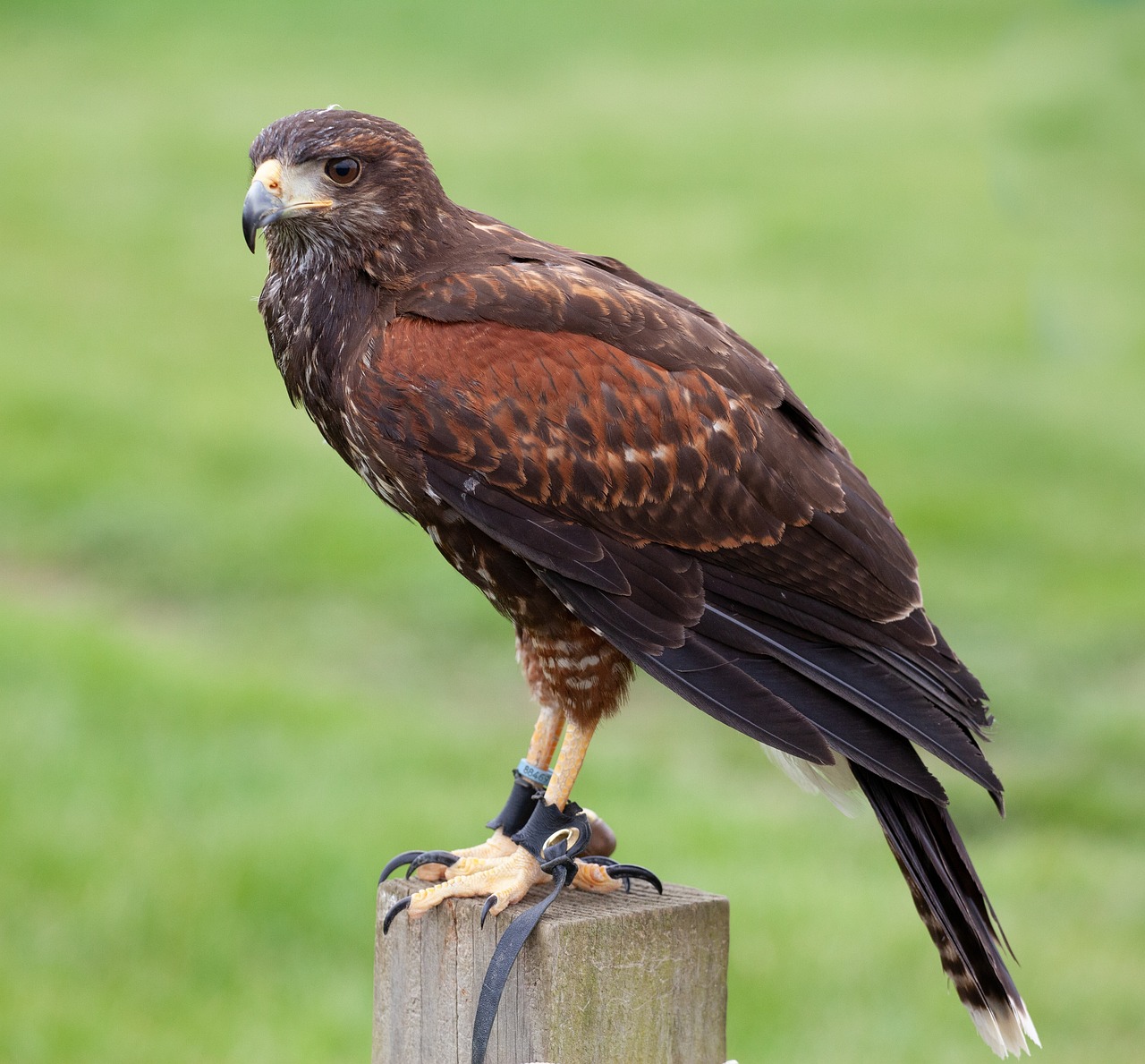
Teaching a Harris Hawk to perch is a challenge if you lack the basic knowledge and experience. What helped me the most was the hands-on experience I gained from my mentor’s raptors and the rehabilitation programmes I enrolled in. It is always advisable to attempt this process with some sort of experience. I have put together a full guide on how to proceed with perch training to aid you in your quest to train your bird.
Training a Harris Hawk to perch
Establish a strong trust bond through consistent handling and positive reinforcement to teach a Harris Hawk to perch. Trust building is crucial for successful training. Introduce the hawk to a prey lure during indoor sessions. Use glove training to acclimate the bird to your presence and develop comfort with perching on your hand.
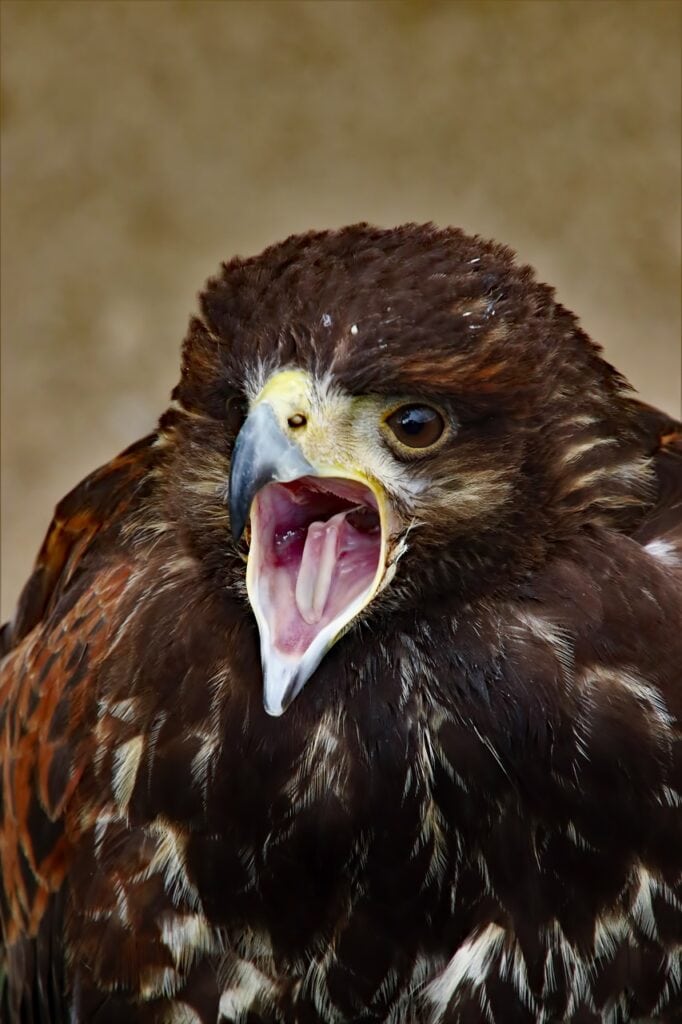
During training, be patient and observant of the hawk’s behavior. Reward positive actions promptly to reinforce desired behavior. By incorporating prey lures strategically, you can motivate the hawk to perch willingly. With consistent practice and positive reinforcement, the Harris Hawk will gradually become comfortable perching on your glove, setting the foundation for more advanced training techniques.
Step by step on how to perform perch training
Preparation Stage
- Begin by ensuring the training area is quiet and free of distractions. The environment should feel safe to the hawk, encouraging its focus on the training session.
- Select a suitable glove that protects your hand and provides a comfortable perch for the hawk. It’s important to consistently use the same glove so the hawk can associate it with perching.
Introducing the Perch
- Initially, introduce the hawk to a low perch, allowing it to step onto it from the ground. This could be a specifically designed hawk perch or a simple sturdy branch.
- Encourage the hawk onto the perch with a piece of food placed on or near it. Use quiet, encouraging tones to reassure the bird.
Using the Glove
- Once the hawk is comfortable stepping onto a stationary perch, transition to using the glove as a mobile perch. Hold your gloved hand low to the ground and coax the hawk onto it with food.
- Gradually raise your hand higher once the hawk is confidently perching on the glove at lower heights.
Rewarding and Positive Reinforcement
- Every time the hawk successfully perches on your glove, provide immediate food rewards along with verbal praise. The timing of the reward is crucial to help the hawk associate the action of perching with positive outcomes.
- Introduce a clicker for clicker training, using it to mark the precise moment the hawk performs the desired perching behavior, followed immediately by a reward. This method sharpens the hawk’s response to training.
Introducing Variety
- To keep the hawk engaged and to simulate natural conditions, introduce perches of varied textures and heights. This encourages the hawk to adapt to different perching conditions, improving its agility and comfort with perching.
- Incorporate perching as part of a broader training routine, including flying to and from the perch on command.
Consistency and Patience
- Perch training, like all aspects of raptor training, requires patience, consistency, and positivity. Frequent, short training sessions are more effective than less frequent, longer ones.
- Observing the hawk’s behavior closely during the training sessions will provide insights into its comfort levels and readiness to progress.

Utilizing the right perches in training
Choosing the appropriate perches is crucial in training Harris Hawks effectively. When selecting perches, consider the bird’s perching posture. Opt for perches that allow the hawk to comfortably grip with its talons and maintain balance. The perch height is also essential; vary heights to mimic natural settings, encouraging the hawk to exercise different muscles and skills. Perch material matters, too. Natural wood perches are ideal, providing texture for a better grip and preventing foot issues. Additionally, perch placement should be considered within the training area. Strategically position perches at different distances and heights to challenge the hawk and promote agility and strength development. By thoughtfully selecting perches that cater to the bird’s needs and training goals, you set the foundation for successful training sessions. Remember, the right perches create a conducive environment for learning and bonding with your hawk.
Introducing Perching Commands and Signals
Introducing specific perching commands and signals to your Harris Hawk is a pivotal step in enhancing communication and control during training sessions. To ensure effective communication and successful training sessions, consider the following key points:
- Body language: When giving perching commands to your Harris Hawk, use consistent body language cues. Clear, deliberate movements can help reinforce the desired behavior.
- Vocal cues: Develop distinct vocal cues that your hawk can associate with perching. Consistency in your voice tone will help your bird understand what is expected of it.
- Consistency in training: Regular practice and repetition are essential for your Harris Hawk to grasp and respond to perching commands. Consistent training sessions will reinforce the desired behavior and strengthen the bond between you and your bird.
Positive Reinforcement Techniques for Perching Training
Establishing a strong foundation of positive reinforcement techniques is key to fostering successful perching training with your Harris Hawk. When training your hawk to perch, clicker training can be highly effective. By associating the sound of a clicker with the desired behavior of perching, you can communicate clearly with your bird. Additionally, target training, where the hawk learns to touch a specified target before perching, helps guide their actions.
Food rewards play a crucial role in perching training. Offering a treat each time your hawk perches correctly reinforces the behavior positively. Consistency and patience are vital throughout the training process. Like all birds of prey, Hawks respond well to routine and predictability. By being consistent in your training methods and patient with your bird, you can achieve great results.
Moreover, bonding through training is essential. Spending quality time with your hawk during training sessions strengthens your relationship and builds trust. It creates a positive learning environment and encourages the hawk to engage willingly in perching training. Remember, consistency is key to building a strong bond with your bird and achieving success in perching training.