

When I started recall training with my first Harris Hawk, my sponsor kept emphasizing the importance of following the right steps and being patient. I didn’t fully understand why at first, but after going through the process myself, I can see the importance of taking things slow and building a strong foundation for recall training with your hawk. In this section, I will cover the concept of recall training and how to effectively teach your Harris Hawk to come back to you.
Preparing for Recall Sessions
When gearing up for recall sessions with Harris Hawks, my key focus is on establishing a strong bond built on trust and consistency. Treats play a crucial role in this process. By using treats as positive reinforcement, I can encourage my Harris hawk to return to me willingly. Practice sessions indoors are essential to create a controlled environment for the hawk to focus on learning the recall command.
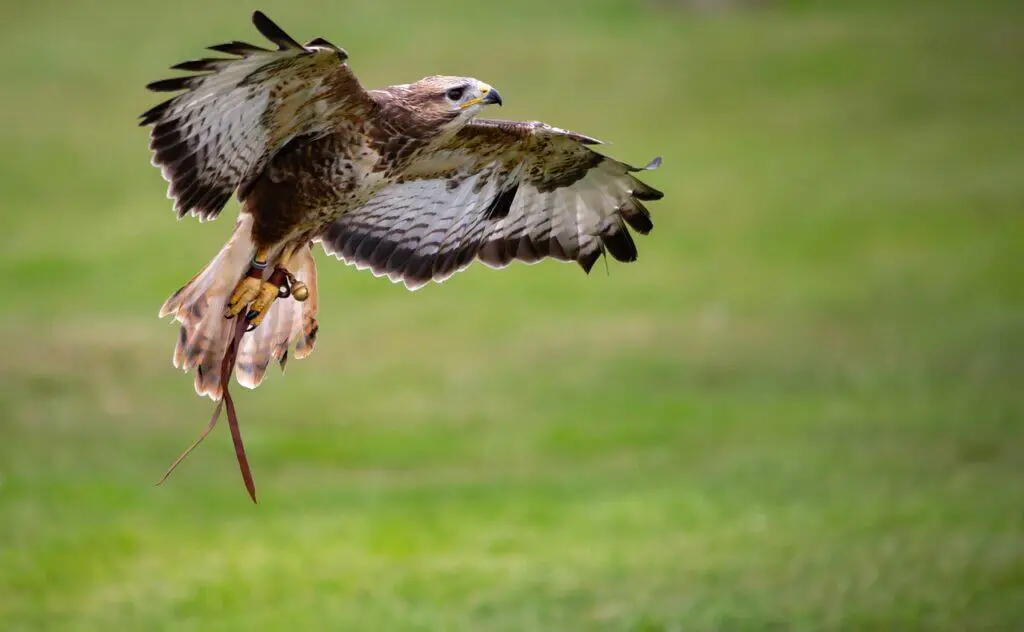
Starting slow is key to avoiding overwhelming the hawk and building a solid recall training foundation. Rushing through the process can lead to confusion and setbacks. Patience is a virtue in this training journey. It’s vital to give the hawk time to understand and respond to the recall command at its own pace. By staying patient and consistent, I foster a trusting relationship with my Harris hawk, setting the stage for successful recall sessions in the future.
Step-by-Step Guide: Teaching Your Harris Hawk Return on Command
1 Introduction to the Training Area
- Begin by introducing your Harris hawk to a safe, enclosed environment free from distractions. Ensure the space is familiar to the bird, fostering a sense of security.
2 Initial Close-Distance Recall
- Start with your hawk on a perch or glove just a few feet away from you. Call it to you using a clear and consistent command, such as the bird’s name or a specific whistle. Upon a successful return, reward it immediately with a favorite treat.
3 Gradual Increase in Distance
- Slowly increase the distance between yourself and the hawk with each successful recall. Ensure the increments are small to maintain the bird’s confidence and interest. This reinforces the behavior positively.
4 Incorporating Distractions
- Once your Harris hawk is reliably returning from increasing distances, gradually introduce mild distractions. This could range from being in a slightly more open space to having a second person in the training area. It’s crucial to ensure the hawk can maintain focus on the recall command despite these distractions.
5 Outdoor Recall Training
- Transition to an outdoor space that is secure and enclosed, ensuring safety for your bird. Begin again with short distances, gradually increasing as your hawk shows consistency and confidence in returning to you amidst outdoor distractions.
6 Using High Perches
- Introduce higher perches or trees for your hawk to fly from and return to you. This adds a level of complexity and mimics natural hunting behaviors, keeping training engaging for the bird.

7 Practice with Varied Environments
- Solidify recall training and practice in various environments and situations, including different times of day, weather conditions, and locations. This builds adaptability and reliance on the recall command regardless of external factors.
8 Continual Reinforcement
- Even after successful recall training, it’s essential to practice and reinforce this behavior regularly. Regular, positive interactions and training sessions help maintain the bond and ensure your Harris hawk remains responsive to the recall command.
Remember, patience and consistency are the keys to successful recall training. Each step should be approached with understanding and care, allowing your Harris hawk the time it needs to learn and adapt to each new challenge.
Gradually increase distance
As you progress in your recall training with Harris hawks, it is crucial to gradually increase the distance between you and your bird to reinforce a reliable response to your command. Distance challenges are essential to building trust and strengthening the bond between you and your hawk. Slowly extending the distance teaches your hawk to respond to your recall command regardless of how far away they are. This process requires patience, consistency, and a deep understanding of your bird’s behavior.
Reward systems play a crucial role in this phase of training. Positive reinforcement, when your hawk returns to you from a greater distance, helps solidify the desired behavior. Be mindful of outdoor distractions that may tempt your hawk away from you. Practicing in different environments can help your bird focus on you amidst various stimuli.
Consistency is key throughout this training stage. By gradually increasing the distance in a controlled manner, you are setting your Harris Hawk up for success in responding to your recall command from various distances.
Tips for recall training success:
- Be patient and consistent
- Use treats as positive reinforcement
- Start in a controlled indoor environment
- Gradually increase distance and distractions
- Practice in varied environments and situations
Recall training is crucial to teach your Harris hawk, ensuring their safety and strengthening your bond. By following a structured approach and gradually increasing distance, you can effectively teach your bird to return on command. Remember to be patient and consistent, and always use positive reinforcement. With dedication and practice, your hawk will soon be soaring back to you with ease.