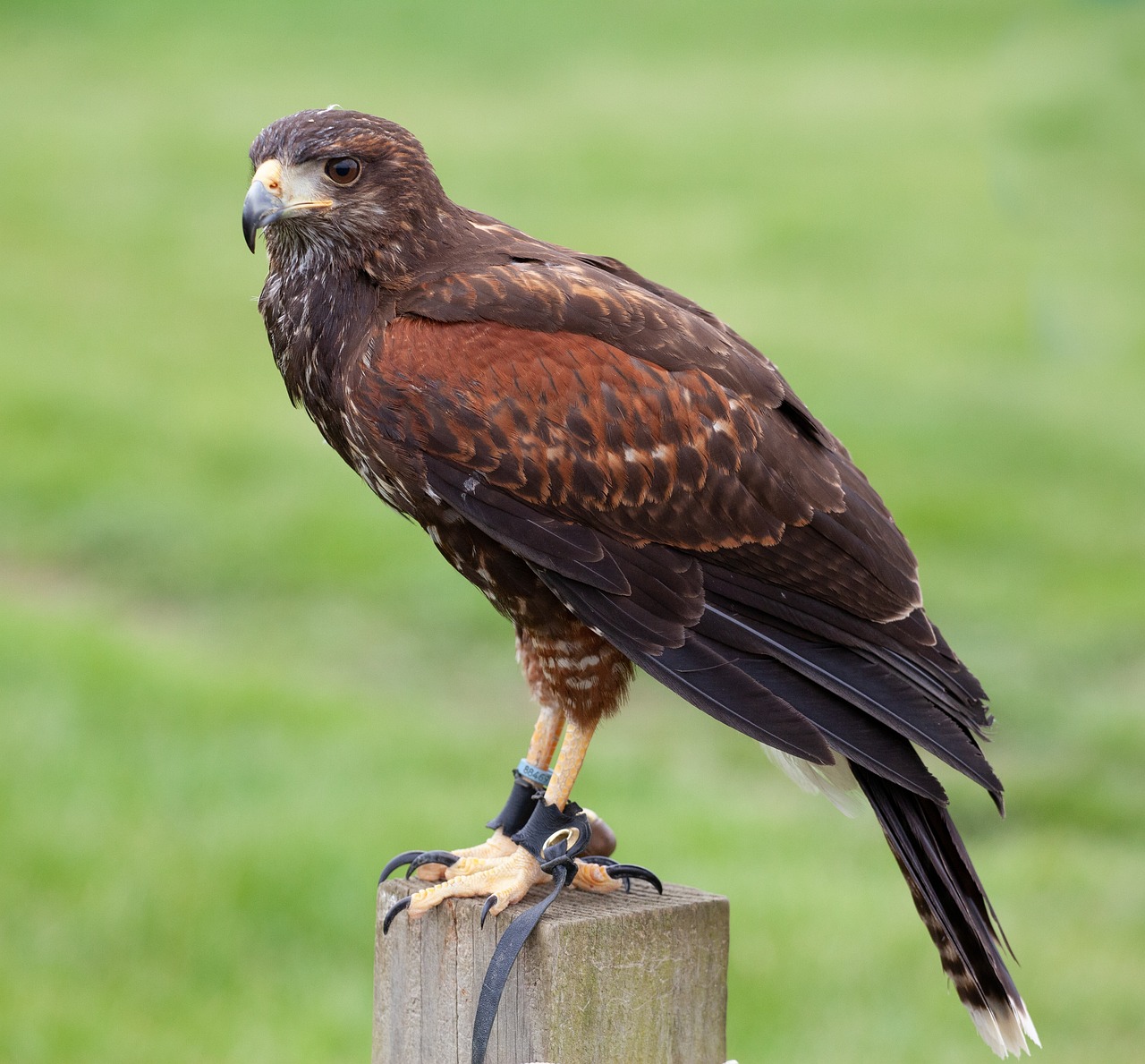
Observing my Harris hawks during the breeding season, I’ve witnessed intricate courtship displays with aerial acrobatics and vocalizations. Their meticulous nest building involves selecting materials and defending their territories. The dedication to egg incubation is remarkable, focusing on regulating temperature and protecting the nest.
Males usually bring food to females during this time and offer enough food for males to take to females. There are so many traits that these birds observe during their breeding season, and luckily, I have seen all of them. I will share with you my experiences so you know exactly when your birds are entering the breeding season and the role they have to play.
Courtship Displays
Harris hawks showcase intricate aerial maneuvers and vocalizations during courtship displays to establish pair bonds and strengthen their breeding relationships. Mating rituals are a crucial part of this phase, where the hawks engage in elaborate display flights, showcasing their agility and skills to attract a mate. Territorial behavior also comes into play, with the hawks fiercely protecting their chosen nesting sites from intruders.
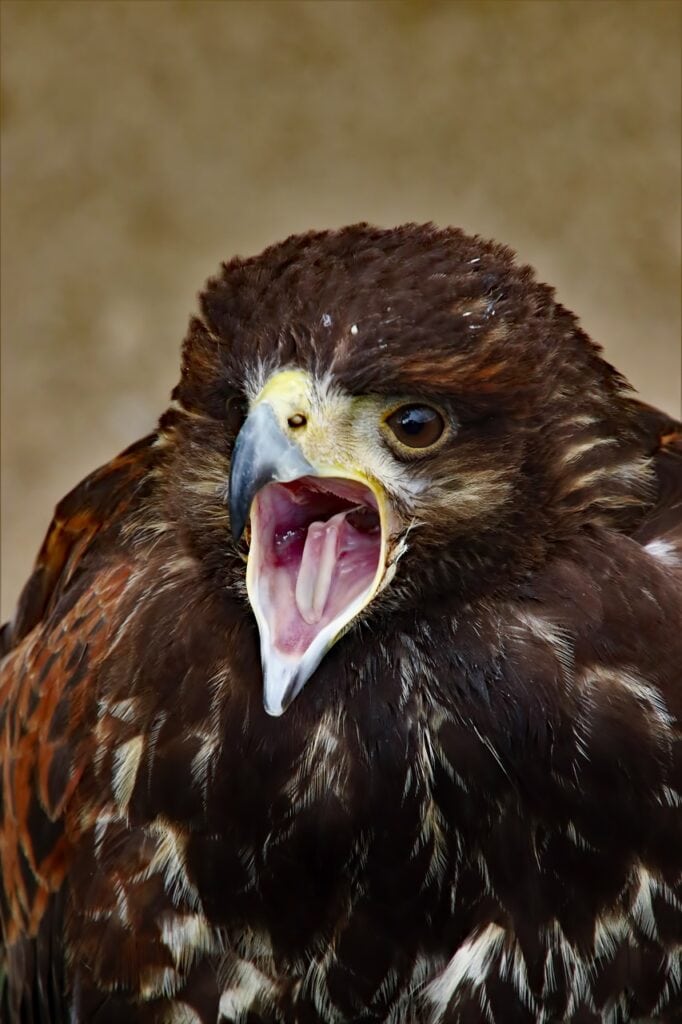
Vocal communication plays a significant role in bonding activities, as the Hawks use a variety of calls and sounds to communicate their intentions and strengthen their connection. Preening rituals are common during courtship, where the hawks groom each other’s feathers as a sign of affection and care. Food sharing and tandem hunting further solidify their bond as they work together to secure meals and provide for each other.
Copulation displays are a key part of mate selection, where the hawks engage in intricate rituals before mating to ensure compatibility and readiness for breeding. These displays are essential in establishing trust and mutual understanding between partners during the breeding season.
Nest Building and Maintenance
In the intricate process of nest building and maintenance, Harris hawks meticulously select and arrange materials to create a secure and comfortable home for their upcoming offspring. Material selection is a critical aspect of this process, with hawks often opting for sturdy twigs, soft grasses, and feathers to construct their nests. The nest architecture is carefully designed to protect them from the elements and predators, showcasing the hawks’ strategic thinking in creating a safe environment for their young.
During nest building and maintenance, territory defense becomes heightened as the hawks work together to safeguard their nesting site. This behavior not only ensures the safety of their offspring but also indicates the importance of maintaining a secure breeding ground for future reproductive success. The dedication and coordination displayed by Harris hawks during nest building highlight their strong breeding instincts and commitment to ensuring the well-being of their growing family.

Egg Incubation
Nestled within the carefully constructed nest, the Harris hawk diligently tends to the precious eggs, maintaining optimal conditions for their development. Temperature regulation is crucial during this period; the hawk adjusts its position to ensure the eggs remain at the ideal temperature for embryo development. The turning schedule is meticulously followed, with the hawk rotating the eggs multiple times daily to prevent the embryos from sticking to the shell and promoting even growth.
Protective behaviors are evident as the hawk guards the nest fiercely, ready to defend it from any potential threats. Throughout the incubation period, which typically lasts around 33 days, the hawk remains dedicated to the task at hand, rarely leaving the nest unattended for long periods.
Hunting and Feeding Dynamics
Guarding the nest with unwavering vigilance, the Harris hawk demonstrates a keen instinct for hunting and feeding dynamics as it prepares for the next phase of nurturing its young. Engaging in a complex interplay of behaviors, these majestic birds showcase remarkable skills in ensuring the survival and growth of their offspring. The male hawk takes on the role of primary hunter, providing food for both the female and the growing chicks. This behavior showcases a unique partnership between the pair, with each playing a vital role in raising their young.
Hunting strategies evolve as the breeding season progresses to accommodate the fast-growing chicks’ dietary needs. From catching small rodents to larger prey like rabbits and snakes, Harris hawks demonstrate remarkable flexibility and adaptability in their hunting methods. As the chicks become more independent, they, too, start participating in the hunting process, honing their skills under the watchful eye of their parents.
Parental Care and Fledging
The Harris hawk’s parental care and fledging behaviors exemplify a sophisticated system of nurturing and preparing their young for independence. Feeding schedules are meticulously maintained, with the male actively engaged in providing food for the chicks while the female feeds the young. This collaboration not only ensures the nutritional needs of the offspring are met but also strengthens the bond between the parents.
As the nestlings grow, notable growth milestones are reached, with the parents adjusting their care techniques accordingly. However, this growth process can also lead to sibling rivalry, where competition for food and attention may arise among the chicks. Despite this, the parental guidance provided during these interactions plays a crucial role in shaping the fledglings’ social skills and independence.

During the breeding season, my Harris hawks displayed intricate courtship behaviors, diligently built and maintained their nest, and expertly incubated their eggs. Their hunting and feeding dynamics were finely tuned, ensuring the survival of their offspring. As parents, they showed immense care and dedication, ultimately leading to the successful fledging of the young hawks.