
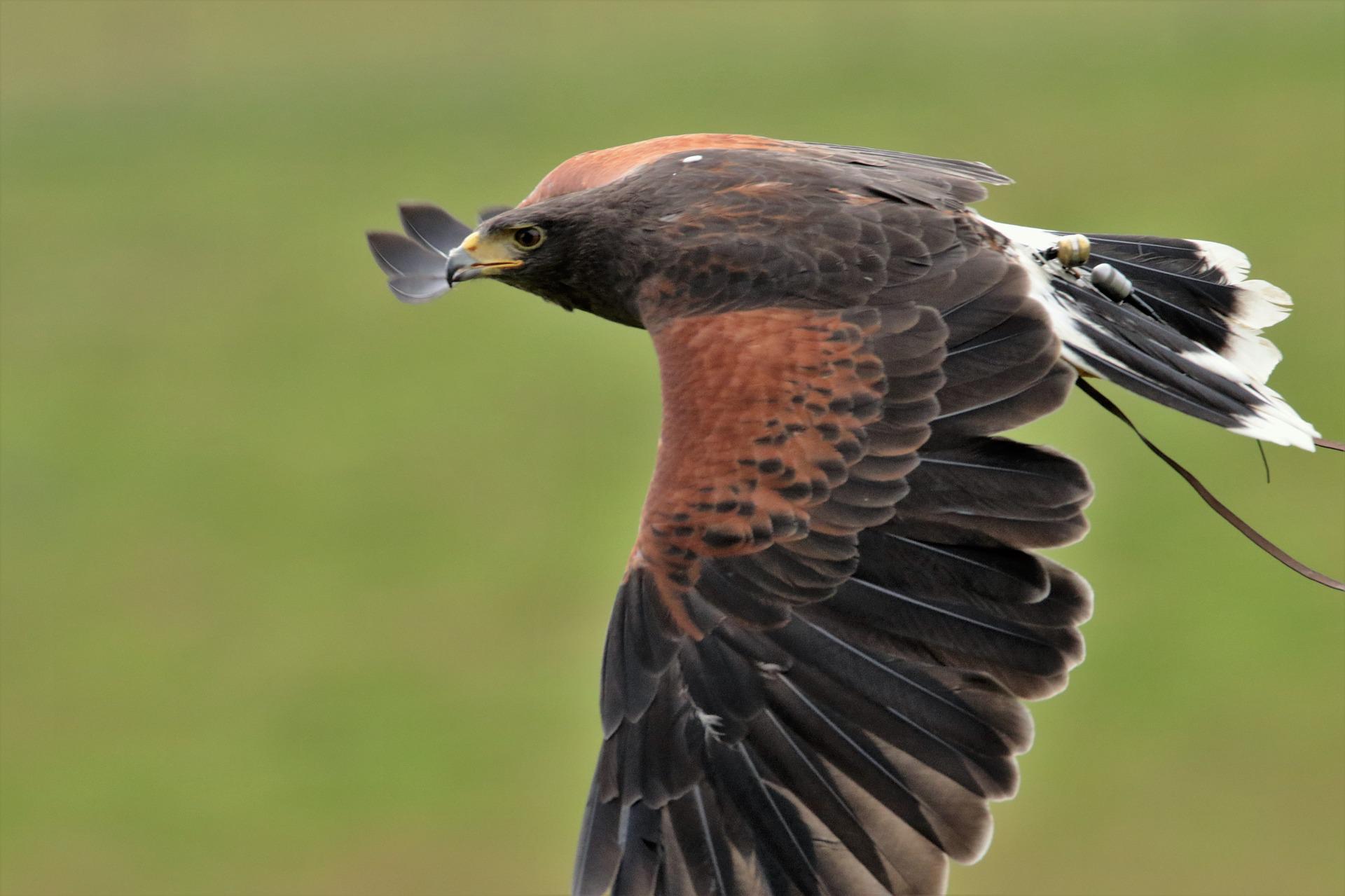
As an experienced falconer, I have come to learn that the best foods to feed my young Harris hawks are foods that they would consume in the wild. I usually feed my baby Harris Hawks tiny pieces of chopped meats for essential nutrition. Below is a list of what to feed and also things like how to feed them and how to prepare their foods
What is the recommended diet for Harris Hawk chicks
To ensure the optimal growth and development of baby Harris hawks, a variety of foods, such as:
- Chicken
- Rats
- Mice
- Quail
- Mealworms
- Crickets
- Waxworms
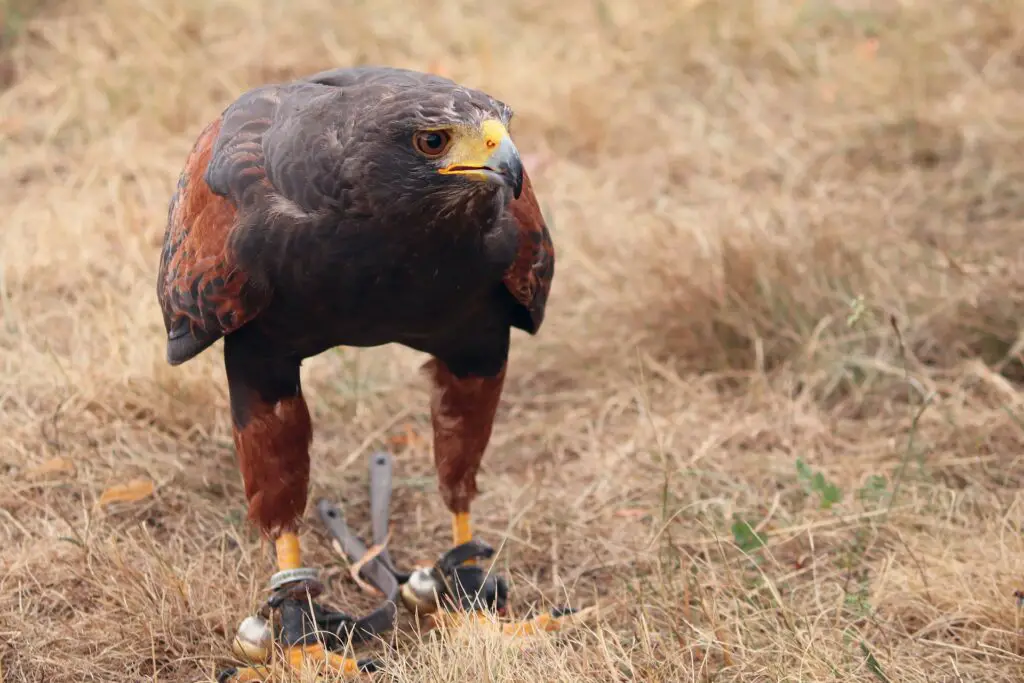
Baby Harris hawks require a balanced diet that resembles the food they would eat in the wild. This includes offering live prey, which helps develop their hunting instincts and keeps them engaged. Raw meat provides essential nutrients and proteins vital for their growth.
During the weaning process, it’s crucial to introduce a diverse range of prey to ensure they receive all the vital nutrients. Hand-feeding techniques play a significant role during this stage, helping to establish trust between the falconer and the bird. By offering a mix of live prey and raw meat through feeding, we can monitor their intake closely and adjust their diet accordingly. Providing a varied diet rich in proteins and nutrients is key to raising healthy and strong baby Harris hawks.
Nutritional Needs of Baby Harris Hawks
When raising baby Harris hawks, providing them with a well-balanced ration rich in important nutrients is crucial to support their growth and development. Protein sources play a vital role in their diet as they aid in muscle development and overall health. I ensure that their diet includes high-quality proteins such as lean meats and insects to meet their protein requirements.
Calcium intake is another critical aspect of their diet that supports bone development and prevents issues like metabolic bone disease. I make sure to include calcium-rich foods like small bones or supplements to fulfill this need. Vitamin supplements are also essential to cover potential deficiencies and ensure optimal health.
Maintaining proper hydration levels is key, especially during the weaning process when baby Harris hawks transition to solid foods. I provide fresh water regularly and sometimes include electrolytes to keep them well-hydrated. Monitoring these nutritional aspects diligently is fundamental in raising healthy and thriving baby Harris hawks.
Feeding Schedule for Baby Harris Hawks
Establishing a structured feeding schedule is crucial for the healthy development and growth of my baby Harris Hawks, and I focus on these areas when
- Feeding frequency: During the first week, feed every 2-3 hours, gradually reducing to 4-5 feedings per day by the fourth week.
- Food portions: Offer small amounts of food initially, increasing as the hawk grows. Adjust portions based on observed hunger cues.
- Growth tracking: Monitor weight gain and overall development regularly to ensure the hawk is progressing healthily.
- Feeding techniques: Offer food using a feeding syringe or small forceps, ensuring the hawk consumes an appropriate amount each feeding.
- Weight monitoring: Weigh the hawk daily to track changes and adjust feeding amounts accordingly.
Preparing and Serving Food for Baby Harris Hawks
Preparing a nutritious meal for baby Harris hawks involves carefully cutting up the pieces into tiny bits to ensure easy digestion and optimal nutrient absorption. Food preparation is crucial, as these young hawks’ tiny beaks and digestive systems require smaller, manageable pieces. I meticulously chop up the meat, organs, and bones, making sure to remove any potential choking hazards. Feeding techniques play a significant role in ensuring that the food is served in a way that mimics how they would eat in the wild.
By offering a variety of foods such as quail, mice, and chicks, I cater to their natural diet, promoting healthy growth and development. Portion sizes are carefully measured to prevent overfeeding and digestive issues. Understanding the digestion process of these birds is essential in selecting the appropriate foods and preparing them in a manner that aids in nutrient absorption. By paying attention to these details, I can provide my baby’s best nourishment, Harris Hawks.

Supplements to add to a baby Harris Hawks diet:
- Calcium supplements: To support bone development and prevent metabolic bone disease.
- Vitamin supplements: To cover any potential deficiencies and promote overall health.
- Electrolytes: To maintain proper hydration levels in young hawks transitioning to solid foods.
Proper nutrition is essential for baby Harris Hawks’ healthy development and growth. As a falconer, it is our responsibility to provide a well-balanced and varied diet that mimics their natural diet in the wild. By monitoring their nutritional intake closely and adjusting as needed, we can ensure our baby Harris hawks grow into strong, thriving birds. With careful preparation and feeding techniques, we can nurture these birds with care and precision, setting them up for a successful life in falconry.
Monitoring Growth and Health through Feeding
0-1 Weeks
During the initial week, baby Harris hawks experience rapid growth, demanding frequent feedings every 2-3 hours to sustain their development. This stage is critical for establishing a strong foundation for health and growth. Their bodies are developing critical organs and beginning to put on weight, albeit slowly. During this vulnerable period, they remain highly dependent on their caregivers for warmth and nutrition.
1-2 Weeks
By the time they reach 1-2 weeks of age, baby Harris hawks start showing significant physical growth and development. Their feeding frequency slightly decreases, accommodating their increased food portion sizes. This stage witnesses the strengthening of their muscles and the beginning of feather growth. Their energy levels rise, and they become more responsive to their surroundings, indicating healthy development.
2-3 Weeks
The 2-3 week mark is a pivotal period in their growth, as baby Harris hawks become more active and display an eagerness to explore their environment. Their diet continues to diversify, supporting their rapid growth and development needs. Feathers continue to develop during this stage, and they become more vigorous, often attempting to stand and walk. Monitoring their weight and health becomes increasingly important as they transition through this growth spurt.
3-4 Weeks
Entering the 3-4 week phase, baby Harris hawks are visibly stronger and more independent. Their feathers are more developed, and they start to exhibit natural behaviors such as preening. The frequency of feedings reduces further as they learn to consume larger portions. During this stage, falconers begin to notice significant increases in weight and size, marking the successful end of their initial growth phases. Their increased curiosity and activity levels indicate their readiness for more substantial training and conditioning.
Throughout the initial four weeks, the growth rate of baby Harris hawks is exponential, emphasizing the significance of proper nutrition, consistent health checks, and adjusting feeding schedules gradually to suit their changing requirements. By meticulously monitoring these growth stages, falconers can nurture their young hawks into robust, healthy, and proficient hunters.