
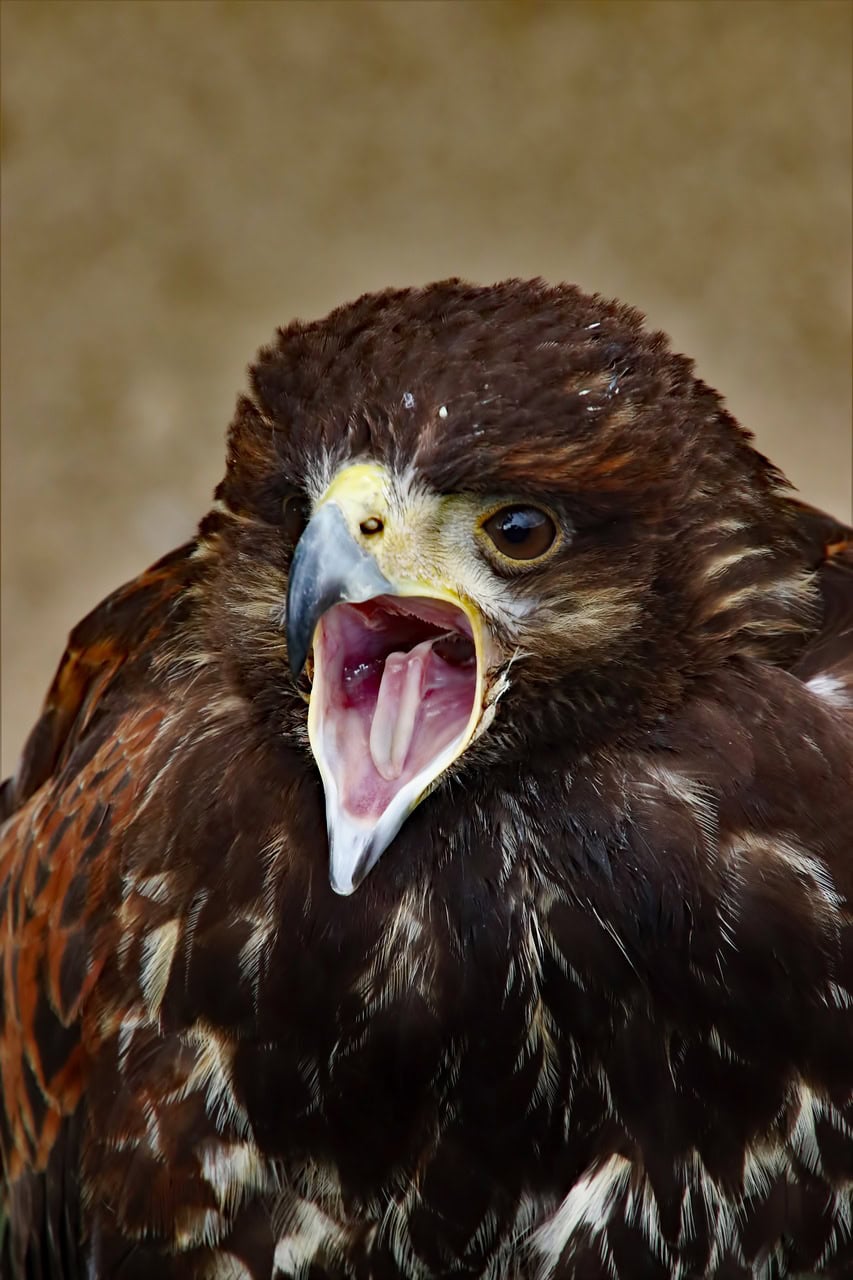
Having raised and bred Harris Hawks for years, I firmly believe that the best age for breeding these magnificent birds is typically between two and three years old. This age range ensures that the hawks are mature enough to exhibit proper breeding behaviors, participate actively in nest building, and care for their offspring effectively. Breeding Harris Hawks at this optimal age contributes to genetic diversity and enhances parenting skills. Read on as I share my experiences on breeding too early and the benefits of waiting with all the information you need laid out below.
The best age to breed Harris Hawks and why
The consensus among experienced breeders is that the prime age for breeding Harris Hawks lies between their second and third years. These raptors have reached full physical and behavioral maturity at this stage, equipping them with the essentials for successful mating, egg incubation, and subsequent chick rearing. There are several reasons why this age range is considered optimal:

Pros:
- Maturity: By two years, Harris Hawks have developed the necessary skills and behaviors for breeding. They are more likely to engage in more nuanced courtship rituals, nest building with precision, and display effective parenting skills such as hunting and feeding their young.
- Health & Vitality: This age marks the peak of their physical health, ensuring they can endure the demands of breeding, egg laying, and chick rearing, which can be taxing on the bird’s body.
- Genetic Diversity: Breeding hawks at this age also enhances genetic diversity within the species. Mature hawks are likely to produce offspring with a robust genetic makeup, contributing to a healthier population overall.
Cons:
- Inexperience: Despite being at an ideal physical age, some hawks may still need more experience for successful breeding. This may result in less efficient nest building or, in some cases, neglect of their chicks.
- Stress: Breeding, especially for first-time parents, can be an immensely stressful period. This stress can affect their health and breeding success without careful management and support.
- Resource Allocation: Committing resources such as space, time, and food to breed hawks at this age means less availability for other birds. Breeders must weigh the benefits of breeding their hawks against the needs of their entire aviary.
Factors Influencing Breeding Age
Factors influencing the breeding age of Harris Hawks involve a combination of genetic predisposition, environmental conditions, and nutritional factors that collectively impact the birds’ readiness to reproduce. Environmental factors like the availability of suitable nesting sites, adequate food sources, and appropriate climate play a crucial role in determining when Harris Hawks reach breeding age. Genetic considerations also come into play, as certain bloodlines may mature at different rates. Hormonal development is another key aspect, with the birds needing to reach a certain level of reproductive hormones for successful breeding.
Maintaining optimal health status through regular veterinary check-ups and proper nutrition is essential for ensuring that Harris Hawks are physically prepared for breeding. Behavioral maturity, including establishing social dynamics within a breeding pair, is vital for reproductive success. Meeting the nutritional needs of these birds is crucial for their overall well-being and breeding success. Additionally, understanding their reproductive readiness and providing adequate parental care are crucial factors in determining the best age for breeding Harris Hawks.
Risks of Breeding Harris Hawks Too Early
Breeding Harris Hawks too early can seriously risk their health and the breeding program’s success. Early breeding may make young hawks more prone to diseases and infections due to underdeveloped immune systems. It can also cause behavioral issues like aggression or inadequate parenting. Early breeding might lead to developmental problems that affect chick growth and survival rates, along with reproductive challenges in immature hawks, reducing successful breeding attempts and straining the program’s objectives. The long-term effects can be detrimental, impacting not only the current season but future generations as well. It’s vital to wait until hawks are mature enough for breeding to ensure their well-being and the program’s success.

Benefits of Breeding Harris Hawks Later
Choosing to wait for the appropriate age before breeding Harris Hawks can bring forth numerous advantages for both the birds and the breeding program. By allowing Harris Hawks to mature fully before breeding, we are ensuring their health and well-being, leading to stronger offspring with a higher chance of survival. The behavioral advantages of breeding Harris Hawks later are substantial; mature hawks exhibit better parenting skills, resulting in improved nurturing of their young. This not only enhances the survival rates of the chicks but also fosters a more stable breeding environment. Additionally, delaying breeding contributes to genetic diversity within the population, reducing the risk of inbreeding and promoting overall population health. Furthermore, Harris Hawks that are bred later tend to live longer, healthier lives, allowing for more productive breeding seasons over their extended lifespan. Lastly, these mature hawks possess enhanced hunting skills, passing down valuable techniques to their offspring for increased hunting success.
| Benefits | Description |
| Health benefits | Mature hawks exhibit better parenting skills, leading to improved nurturing. |
| Behavioral advantages | Mature hawks exhibit better parenting skills, leading to improved nurturing |
| Genetic diversity | Contributes to genetic diversity, reducing the risk of inbreeding |
In my experience, the best age for breeding Harris Hawks is between 2 to 3 years old. This allows them to reach physical and mental maturity, ensuring a successful breeding process. Breeding too early can pose risks to the birds’ health and the breeding pair’s success. Waiting until they are fully mature can result in healthier offspring and a more successful breeding season overall. Trust me, patience is key when it comes to breeding these magnificent birds.