
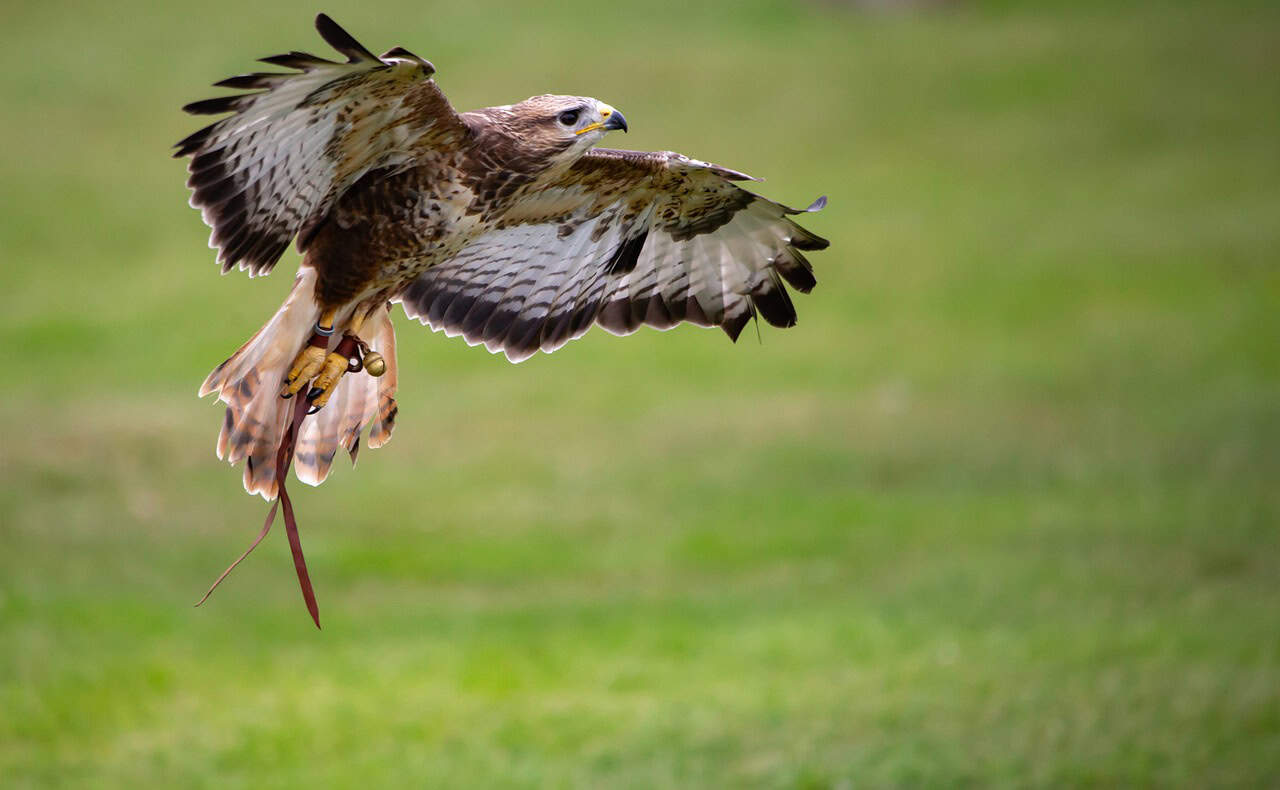
Over my years in falconry, I have found that the ideal age for training a Harris Hawk is between 12-20 weeks old; this ensures optimal cognitive readiness, physical prowess, and behavioral receptiveness. This age range sets a strong foundation for successful training. The hawk’s peak abilities at this stage facilitate effective learning and bond formation. Let me share my experience about young Harris Hawk, from when the best time to start training is to why and indications showing readiness for training
Optimal Age for Training
The ideal age range for commencing training with a Harris Hawk is between 12-20 weeks. This period is considered the golden window for starting their training due to several key factors. Firstly, their cognitive development has reached a stage that makes them capable of understanding and retaining the training they receive. Physically, they are strong and agile enough to undergo the rigors of training without the risk of injury. Behaviorally, they are at an age where they can form strong bonds with their trainers, which is crucial for a productive training regimen. Starting within this age range ensures the hawk’s training is both effective and conducive to forming a lasting partnership.
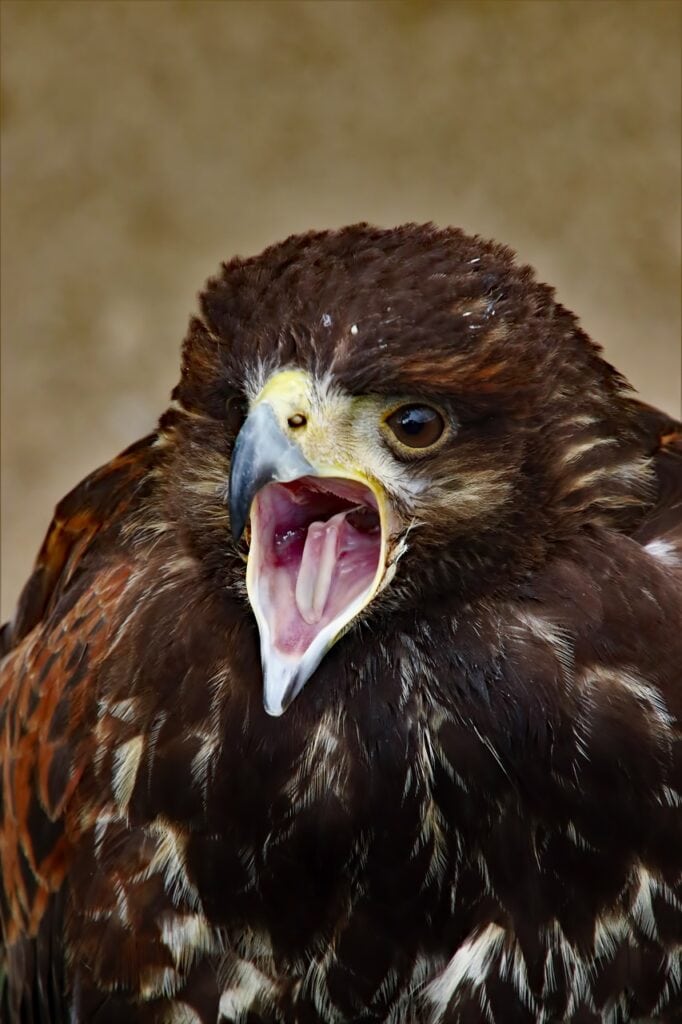
Cognitive development and physical capabilities.
At 12-20 weeks old, Harris Hawks have reached a crucial stage in their cognitive development. They are curious and attentive, with the ability to process information and learn new skills. This makes them receptive to training and enables them to build upon their natural instincts. As they continue to grow and mature, this early training helps solidify the foundations of their skills, making them well-rounded and adaptable hunters.
Additionally, at this age range, Harris Hawks have developed the necessary physical capabilities for training. They have strong muscles, and their flight feathers are fully grown, allowing them to fly with precision and control. This makes it easier for trainers to teach them flying techniques and maneuvers that will be essential in hunting scenarios. Furthermore, starting training within this window.
Understanding Developmental Stages
As a seasoned falconer, I’ve witnessed firsthand the intricacies of a Harris hawk’s developmental stages. Understanding how these stages impact the bird’s cognitive and physical abilities is crucial when determining the best age to start training. By recognizing the unique milestones in a Harris hawk’s growth, one can tailor the training process to ensure the bird’s success and well-being.
Developmental stages of Harris Hawks.
Harris hawks go through distinct behavioral milestones, showing increased learning capacity as they mature. Social interactions play a crucial role in their development, shaping their communication skills and hunting strategies. Physical growth is rapid in the early stages, with wingspan and body size increasing significantly. Cognitive readiness progresses steadily, enabling them to adapt to various environments and challenges. To illustrate this further, consider the following table:
| Developmental Stage | Behavioral Milestones | Learning Capacity |
| Juvenile | Exploration behaviors | Rapid acquisition of hunting skills |
| Adolescent | Establishment of territories | Enhanced problem-solving abilities |
| Adult | Mating rituals and courtship displays | Mastery of complex hunting techniques |
How these stages influence the readiness for training.
In my experience working with Harris hawks, understanding their developmental stages is crucial for gauging their readiness for training. Behavioral milestones play a significant role in determining when a hawk is receptive to training. Observing their behaviors, such as increased curiosity, improved focus, and reduced dependence on their parents, can indicate a higher training readiness.
Moreover, cognitive abilities, including problem-solving skills and memory retention, develop gradually and impact how well they can learn and retain training commands. Physical maturity is another crucial factor, as young hawks need to have reached a certain level of strength and coordination to handle training exercises effectively.

Early Training Pros and Cons
While starting training within the optimal age range yields several benefits, there are also potential drawbacks to consider. Understanding these pros and cons can help you make an informed decision about when to begin training your Harris hawk.
Pros of early training
- Enhanced cognitive and physical development
- Stronger bond formation with the trainer
- Higher success rate in hunting partnerships
- Increased adaptability and versatility in hunting scenarios
Cons of early training
- Risk of overwhelming the hawk with too much training too soon
- Possibility of injuries due to underdeveloped muscles or coordination issues
- Potential for behavioral issues if not trained correctly
- Difficulty building trust and partnership with older hawks who have not been trained early
In conclusion, the best age to start training a Harris hawk is around 12-20 weeks old, when they are most receptive to learning and bonding with their handler. By understanding their developmental stages and providing early training, you can establish a strong foundation for a successful partnership. While there are pros and cons to starting training early, the benefits of building trust and establishing good habits from a young age far outweigh any challenges.