
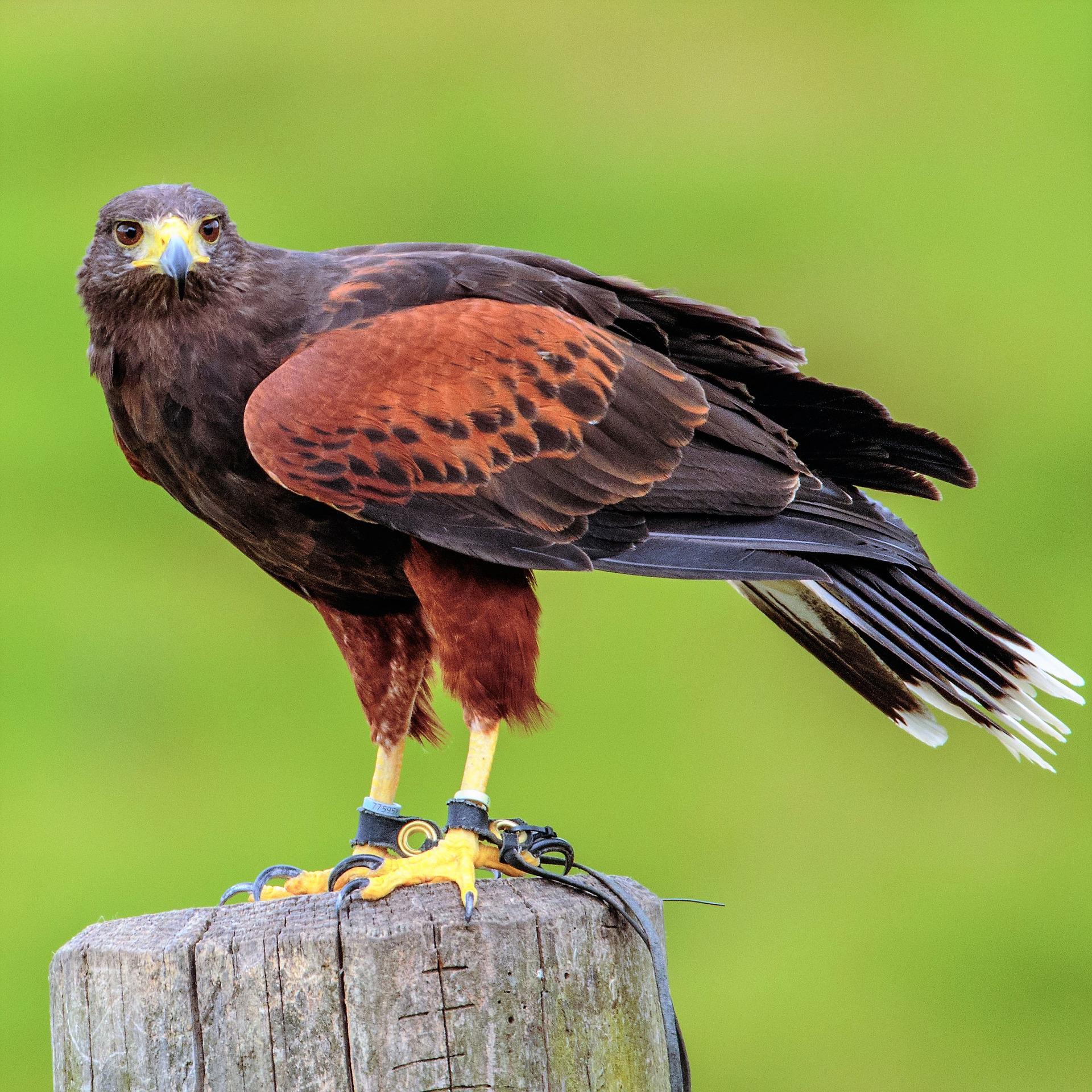
From personal experience, I recommend a minimum 3.04m x 3.04m (10×10 feet) enclosure for breeding Harris Hawks in falconry. Optimal breeding conditions thrive in larger spaces. Enrichment activities, nesting materials, and social interactions are key. Varying natural branches and nesting spots are essential for mental and physical well-being. Proper lighting, ventilation, and temperature control ensure hawk comfort. These are just a few things u need to ensure are available for your bird, so let me guide you further with the information below, and by the time you’re done, you will know what is required.
Minimum Size Requirements
When designing enclosures for breeding Harris Hawks in falconry, the minimum size requirements must prioritize the birds’ comfort and well-being. For breeding pairs, it is vital to provide enough space for them to move freely and exhibit natural behaviors. Harris Hawks are social birds that require interaction, so the enclosure should be spacious enough to accommodate the pair comfortably.

Space requirements play a significant role in Harris Hawks’ breeding success. The enclosure must be large enough for the birds to fly, exercise, and establish territories. A minimum size of 3m X 3m (10 feet by 10 feet) is recommended for a breeding pair+, but larger spaces are encouraged to promote optimal breeding conditions.
Nesting materials should be provided to encourage breeding behavior. Harris Hawks prefer to build their nests with sticks, twigs, and other natural materials. By providing suitable nesting materials, breeders can support the hawks in creating a secure environment for their offspring.
Establishing a reliable feeding schedule is crucial for breeding pairs. Monitoring their food intake and ensuring they receive a balanced diet is essential for successful breeding. Behavioral observations should be conducted regularly to assess the birds’ health and well-being, ensuring they are thriving in their environment.
Ideal Enclosure Features
To create an ideal breeding environment for Harris Hawks in falconry, incorporating essential features ensures the well-being and success of the breeding pair. Enrichment activities and nesting materials are crucial to stimulate natural behaviors and provide comfort for the hawks. Seated feeding stations and reliable water sources within the enclosure are vital to maintain the birds’ health and facilitate breeding activities.
Temperature regulation mechanisms are necessary to ensure the enclosure stays within the optimal range for breeding. Predator protection should be a top priority to safeguard the hawks and their offspring. Providing nesting boxes and ample roosting spots mimics their natural habitat and encourages breeding behaviors.
Social interactions play a significant role in the breeding success of Harris Hawks. Encouraging natural social dynamics within the enclosure can enhance the bond between the breeding pair. Understanding and observing their breeding behavior is essential to provide the appropriate environment for successful breeding outcomes.
Suitable Flooring Options
Selecting the most suitable flooring option is crucial for ensuring the comfort and safety of breeding Harris Hawks in falconry enclosures. When considering flooring materials, choosing options that are easy to clean, provide good insulation for temperature regulation, offer behavioral enrichment, and incorporate safety precautions is essential. For example, non-toxic and non-slip materials like rubber mats or artificial turf can be beneficial for the birds’ comfort and safety. These materials also facilitate easy cleaning, which is vital for maintaining a hygienic environment in the enclosure. Additionally, providing different textures on the floor can offer behavioral enrichment opportunities for the Harris Hawks, encouraging natural behaviors like foraging and gripping. To summarize the flooring options and their significance:
| Flooring Option | Benefits |
| Rubber Mats | Comfort, Safety, Easy to Clean |
| Artificial Turf | Comfort, Safety, Behavioral Enrichment |
| Textured Surfaces | Behavioral Enrichment, Safety Precautions |
Choosing the right flooring materials can significantly impact the well-being and breeding success of Harris Hawks in falconry.
Climbing and Perching Needs
Considering the climbing and perching needs of breeding Harris Hawks in falconry enclosures is fundamental for promoting their physical and mental well-being. Enrichment opportunities play a crucial role in keeping these raptors stimulated and engaged. Providing natural branches of varying thicknesses allows them to exercise their feet and legs, mimicking their natural habitat. Nesting materials such as straws, twigs, and leaves are essential for encouraging nesting behaviors and providing comfort during the breeding season.

Roosting spots at different heights within the enclosure offer Harris Hawks options to rest and observe their surroundings, promoting natural behaviors. Additionally, shade structures are vital to protect these birds from excessive heat and provide a comfortable environment. By creating a diverse and stimulating environment that meets their climbing and perching needs, we can ensure the well-being of breeding Harris Hawks in enclosures.
Ventilation and Lighting Considerations
Ensuring optimal ventilation and lighting in Harris Hawk enclosures is paramount for maintaining their health and overall well-being. When considering lighting, the choice between natural and artificial sources is crucial. Natural lighting provides a spectrum that benefits the birds, aiding their circadian rhythms and overall well-being. However, artificial lighting can supplement this, especially during darker months or in locations with insufficient natural light exposure.
Cross ventilation is essential as it helps in regulating temperature and humidity levels within the enclosure. It prevents the buildup of stale air and reduces the risk of respiratory issues. Temperature control methods, such as fans or vents, are also vital to ensure the hawks are comfortable in varying weather conditions. Air quality maintenance is a continuous task, requiring regular cleaning to prevent the accumulation of dust and debris that could affect the birds’ respiratory health.
The orientation of the enclosure impacts both lighting and ventilation. Proper positioning can maximize natural light exposure and airflow, creating a more comfortable environment for the Harris Hawks. By carefully considering these factors, we can create a space that promotes the well-being and breeding success of these magnificent birds.
In conclusion, when breeding Harris hawks in falconry, it is crucial to provide them with a spacious and well-equipped enclosure that meets their physical and behavioral needs. From minimum size requirements to suitable flooring options, climbing and perching needs, as well as ventilation and lighting considerations, every detail matters. By creating a suitable environment for breeding, I ensure the health and well-being of my magnificent raptors.