
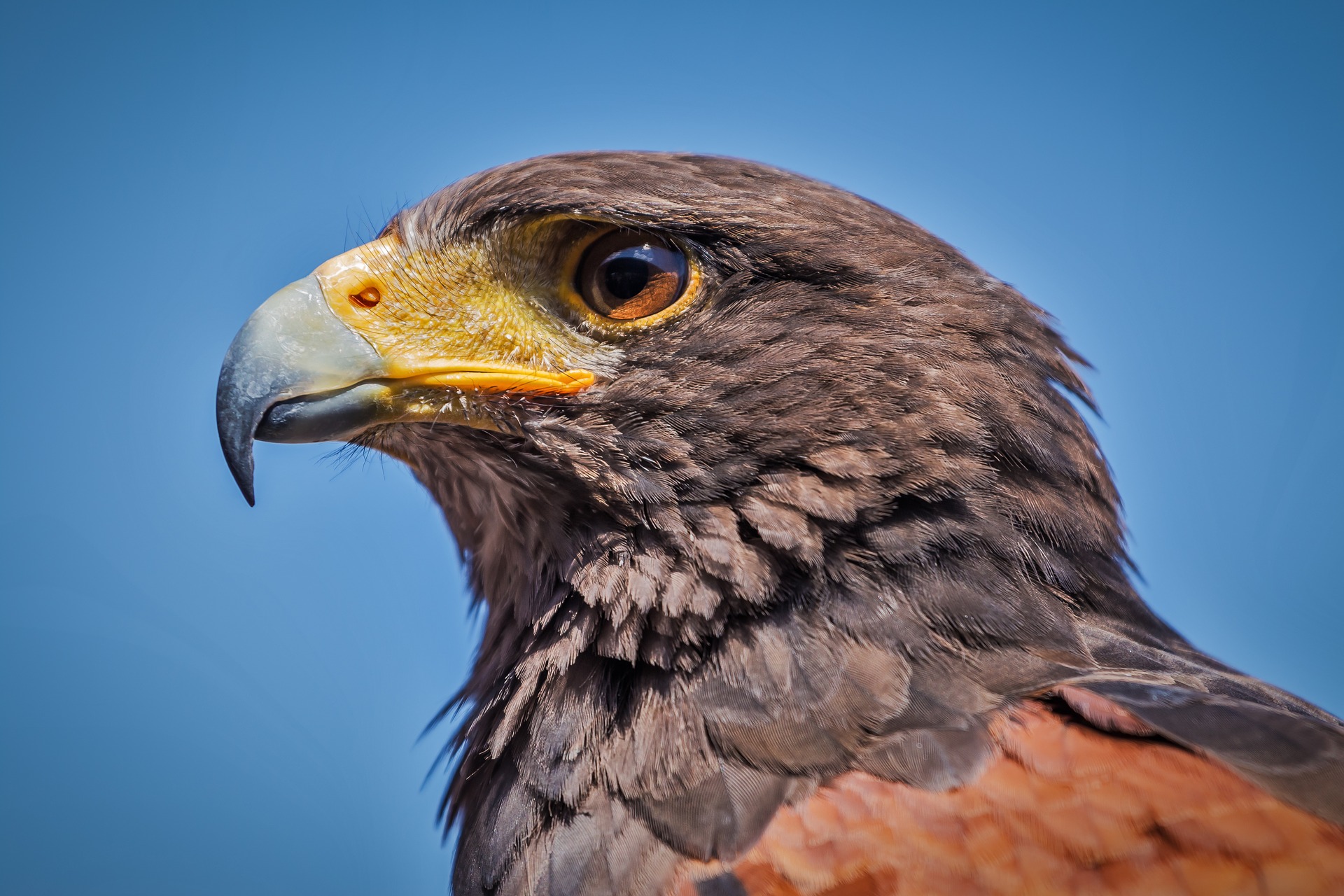
Harris Hawks typically moult during the autumn season. This natural process involves shedding old feathers and growing new ones to maintain feather health. Environmental changes and nutritional needs play a crucial role in this moulting cycle. Because this is a sensitive time for your raptor, you need to make it as easy as possible. Let me educate you on how I do it and what works best for my raptors with the information provided below.
Harris Hawk moulting
During the autumn months, Harris Hawks undergo a gradual moulting process that is essential for maintaining their feathers’ health and functionality. This natural shedding of old feathers and regrowth of new ones is a crucial aspect of feather care in Harris Hawks. Their nutritional needs might increase during this period to support the energy required for feather regrowth. Environmental changes, such as temperature fluctuations, can also influence the moulting process. I have noticed certain behavioral changes in Harris Hawks during this time, like increased preening and scratching to remove old feathers. The moulting process typically lasts several weeks, with feathers gradually being replaced to ensure the bird’s ability to fly and hunt effectively.

Signs of Moulting in Harris Hawks
Observing Harris Hawks during their moulting period reveals distinct signs indicating the ongoing feather renewal process; these include:
- Feather Shedding: The most apparent sign of a Harris Hawk moulting is the shedding of old feathers, noticeable in their living quarters or during handling.
- Increased Preening: During the moulting period, Harris Hawks will engage in more frequent and intense preening activities to remove loose feathers and manage new growth.
- Plumage Changes: As old feathers are lost and new ones grow the hawk’s plumage may temporarily dull before the vibrant colors reappear.
- Wing Feather Replacement: Observing the replacement of primary and secondary feathers on the wings, which is critical for the bird’s flight capabilities.
- Tail Feather Renewal: The gradual replacement of tail feathers is essential for steering and stability during flight.
- Behavioral Changes: Moulting Harris Hawks might display behavioral changes such as restlessness, increased scratching, or even a temporary change in temperament.
- Appetite Changes: There might be an increase in appetite as the energy demands of growing new feathers require additional nutritional intake.
Feather shedding is a prominent feature during this time, with old feathers making way for new growth. One of the noticeable molting behaviors is increased preening activity. Harris Hawks meticulously groom themselves, focusing on removing loose feathers and ensuring proper feather alignment.
As the moulting progresses, a noticeable plumage change becomes evident. The vibrant colors of their feathers may appear dull as old feathers are shed and new ones start to emerge. Wing feathers are particularly significant during this period, as they are crucial to the hawk’s flight capabilities. The replacement of wing feathers is essential for maintaining optimal aerodynamics and agility in the air.
Additionally, the moulting process affects Harris Hawks’ tail feathers. These feathers, vital for steering and stability during flight, are gradually replaced to ensure continued precision in their aerial movements. Overall, these signs of moulting in Harris Hawks signify a natural and necessary phase for maintaining their health and performance.
Factors Influencing Moulting Cycles
Various environmental and biological factors play a crucial role in determining the timing and duration of moulting cycles in Harris Hawks.
- Environmental factors, nutrition: The availability of food sources and the overall environmental conditions can impact a Harris Hawk’s moulting cycle.
- Stress levels, age: Stress levels can be influenced by factors such as human interactions or changes in the hawk’s environment, and the bird’s age can affect the timing of moulting.
- Health conditions, genetics: The overall health of the hawk and its genetic makeup can also influence how smoothly and timely the moulting process occurs.
- Feather quality, molting triggers: Factors such as feather quality and specific triggers within the hawk’s biology can signal the start of the moulting cycle.
These factors, along with climate changes and activity levels, all intertwine to shape the moulting patterns of Harris Hawks. Understanding these influences can help bird enthusiasts better support their feathered companions during this natural process.

Supporting Harris Hawks During Moulting
As Harris Hawks navigate through their moulting process, providing proper care and support becomes paramount to ensure their well-being and comfort during this natural phase of renewal and growth.
| Feather Care | Nutritional Needs | Grooming Techniques |
| Regularly check feathers for damage and replace any worn-out ones. | Ensure a diet rich in protein and essential vitamins to support feather regrowth. | Assist in preening to remove old feathers and distribute natural oils. |
| Avoid stressful environments that could impact the moulting process. | Provide fresh water daily to support overall health and feather quality. | Use a soft brush to gently remove loose feathers. |
| Maintain a clean and dry living space to prevent feather contamination. | Monitor weight to adjust food intake as needed during this energy-intensive phase. | Encourage bathing opportunities to help soften the skin and promote healthy feather growth. |
| Minimize handling during moulting to reduce stress on the bird. | Offer a variety of prey items to mimic natural hunting habits and ensure a balanced diet. | Create a peaceful and quiet environment to reduce anxiety and support the moulting process. |
| Observe any changes in behavior and seek veterinary attention if necessary. | Supplement diet with calcium to support bone health and overall well-being. | Provide perches and spaces for the hawk to rest comfortably and safely. |
In conclusion, understanding the moulting patterns of Harris hawks is crucial for their overall health and well-being. By recognizing the signs of moulting and providing proper support during this process, we can ensure that these amazing birds of prey thrive and remain in peak condition. Remember to pay attention to the seasonal patterns, factors influencing moulting cycles, and their diet to help your Harris hawk through this natural and necessary phase.