
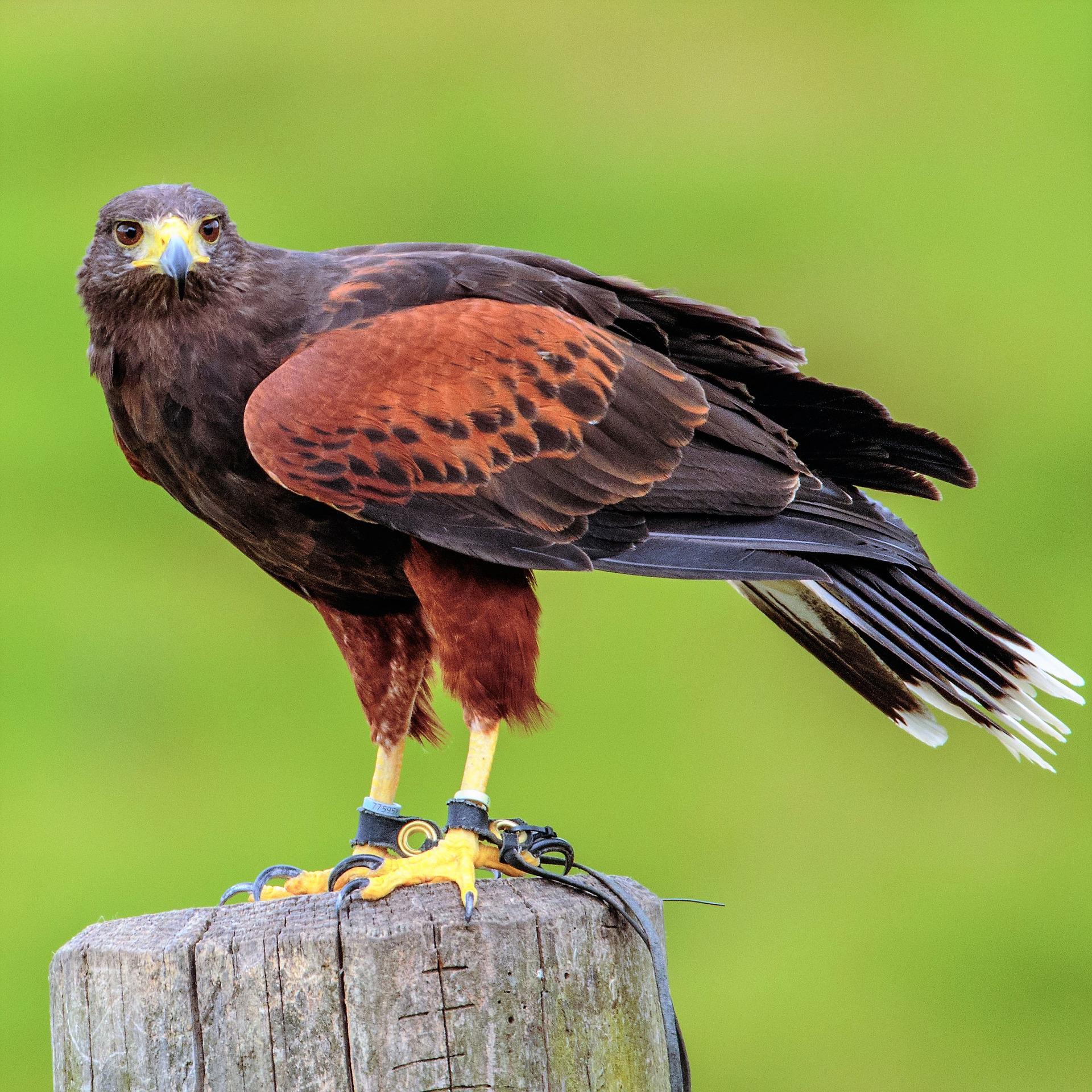
From my time with Harris Hawks, I have found that deciding when to start outdoor training with your bird of prey is a pivotal moment in your partnership. The age at which you introduce your hawk to the great outdoors can significantly impact the success of your training efforts. It’s a delicate balance of timing, considering factors like the bird’s physical readiness, behavioral cues, and environmental conditions.
But there’s more to it than age; the key lies in knowing the nuances of your hawk’s development and tailoring your approach accordingly. Let me share with you how I know when my raptor will be ready for outdoor training, and hopefully, this will make your journey much easier.
Critical Indicators of Raptor Readiness for Outdoor Training
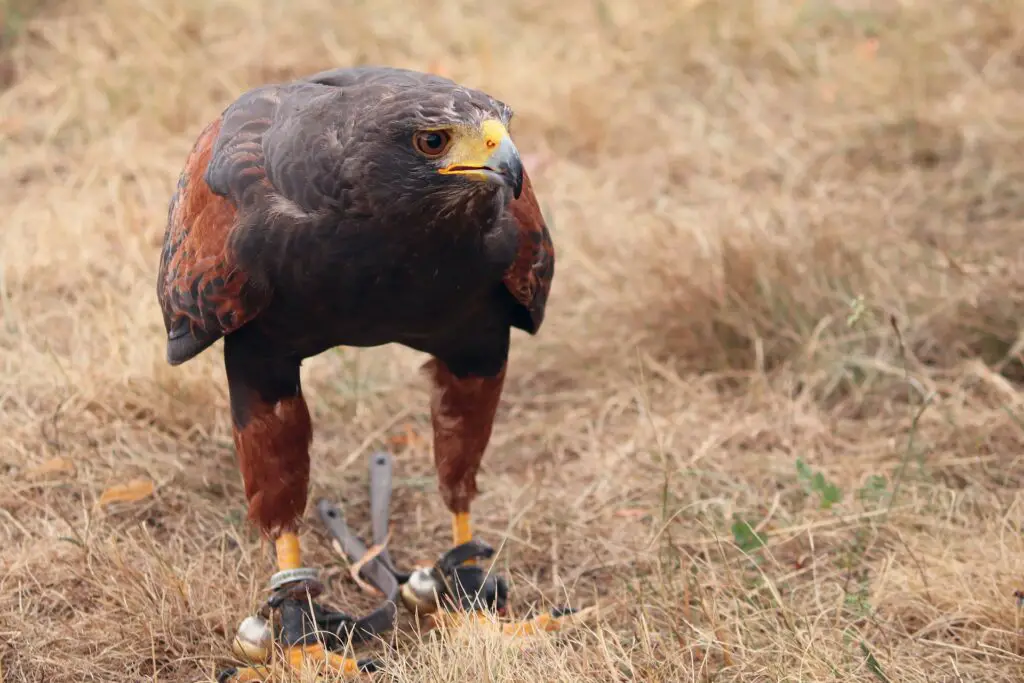
When assessing the readiness of your Harris Hawk for outdoor training, there are several critical indicators you should consider:
- Physical Maturity: Ensure your hawk is physically strong enough for the rigors of outdoor flying. This includes having fully developed feathers for proper flight.
- Response to Basic Commands: Your hawk should reliably respond to basic commands in a controlled environment before attempting more complex exercises outdoors.
- Comfort with Equipment: The bird should be comfortable wearing jesses and other training equipment and show no signs of distress or discomfort.
- Environmental Confidence: Observe your hawk’s behavior in various environments to ensure it displays confidence and is not easily spooked by new stimuli.
- Prey Drive: A healthy prey drive indicates that your hawk is ready for outdoor training; however, it should not be overly aggressive or uncontrollable.
- Health and Condition: Prioritize a health check to confirm that your hawk is free from illnesses or injuries that could hinder its outdoor training and performance.
- Trust and Bonding: A strong, mutually trusting bond between you and your hawk is essential for successful outdoor training.
By carefully evaluating these indicators, you can decide when your Harris Hawk is ready to transition to outdoor training.
Optimal Age for Outdoor Training
As a seasoned falconer, I firmly believe that the optimal age to begin outdoor training with your Harris Hawk is around 14 to 18 weeks old. This age range allows the bird to have developed some confidence and basic skills, making the training process smoother and more effective. Around this time, the bird is usually physically mature enough to handle flying outdoors and has gained some experience in responding to commands.
However, every hawk is different, and it’s crucial to monitor your bird’s individual development and make adjustments accordingly. Some hawks may be ready for outdoor training at a younger age, while others may need more time before being introduced to the great outdoors. Trust your instincts as a falconer, and always put the well-being and development of your hawk first.
Factors to Consider
While age is a critical factor, there are other considerations that can impact when you should begin outdoor training with your Harris Hawk:
- Environmental Conditions: The weather and time of year play a significant role in deciding when to start outdoor training. Avoid extreme temperatures and inclement weather, as it can be dangerous for your hawk.
- Your Schedule: Be mindful of your own schedule and commitments when planning the timing of outdoor training. Ensure you have enough time to dedicate to your hawk’s training without rushing or neglecting it.
- Training Goals: Consider what goals you hope to achieve through outdoor training and whether your hawk is physically and mentally ready to start working towards those goals.
- Mentorship: Seek guidance from experienced falconers or mentors who can offer you valuable insights and advice on when to begin outdoor training with your Harris Hawk.

Weather Conditions to Consider
Considering the weather conditions is crucial when planning outdoor training sessions with your Harris Hawk. The temperature range plays a significant role in determining the comfort and health of your hawk. Harris Hawks are adaptable to various temperatures, but extremes should be avoided. Optimal training conditions usually fall within a range of 50-85°F (10-29°C). Wind speed is another vital factor to keep in mind. Strong gusts can disrupt flight patterns and make training challenging. Aim for calmer days with wind speeds below 15 mph to ensure a productive session.
Precipitation amount is a key consideration. Rain can be uncomfortable for your hawk and affect visibility during training. It’s best to schedule sessions on dry days to provide a more pleasant experience. Humidity levels can also impact your hawk’s performance. Harris Hawks thrive in moderately humid conditions, so aim for humidity levels between 40-70% for optimal training sessions.
Lastly, barometric pressure can influence your hawk’s behavior. Stable pressure is ideal, as fluctuations can cause discomfort and affect flight capabilities. By carefully monitoring these weather conditions, you can ensure safe and effective outdoor training sessions with your Harris Hawk.
Behavioral Readiness Indicators
Monitoring your Harris Hawk’s behavioral readiness indicators is key to ensuring successful outdoor training sessions. Training consistency is essential to gauge your hawk’s progress and maintain a routine that fosters learning. Observing your hawk’s prey response is crucial; a strong desire to chase after simulated prey indicates readiness for outdoor training. Additionally, bonding opportunities should be maximized to strengthen the connection between you and your hawk, enhancing trust and cooperation during outdoor sessions.
Environmental exploration is vital to consider, as exposure to varied surroundings helps your hawk adapt to different environments it may encounter while flying outdoors. Lastly, assessing flight readiness is fundamental before transitioning to outdoor training; your hawk should exhibit strong flight skills and confidence in controlled environments before venturing into the open skies. By carefully monitoring these indicators, you can ensure a smooth and successful transition to outdoor training with your Harris Hawk.
Preparing the Outdoor Training Environment
Setting up the outdoor training environment for your Harris Hawk is a crucial step in fostering successful training sessions. Attention to detail and proper preparation are key to ensure effective training. Here are some essential aspects to consider when preparing the outdoor training environment for your Harris Hawk:
| Aspect | Description |
| Equipment setup | Ensure all equipment like jesses, leashes, and training aids are properly set up and accessible. |
| Perching locations | Provide varied perching locations at different heights to mimic natural settings. |
| Flight distance | Gradually increase the flight distance to build endurance and strengthen recall abilities. |
| Prey simulation | Use realistic prey simulation to encourage hunting behavior during training sessions. |
| Distraction management | Minimize distractions in the environment to maintain the focus of your Harris Hawk. |
Creating a conducive outdoor training environment will not only enhance the training experience but also strengthen the bond between you and your Harris Hawk, leading to a successful training outcome.
In conclusion, beginning outdoor training with your Harris Hawk at the optimal age of 14 to 18 weeks sets the stage for a successful and fulfilling partnership. You will create a positive and enriching training environment by considering weather conditions, behavioral readiness indicators, and health assessments. With dedication, patience, and a strong bond, you can enjoy the rewards of training and flying your majestic hawk in the great outdoors. Happy training!