
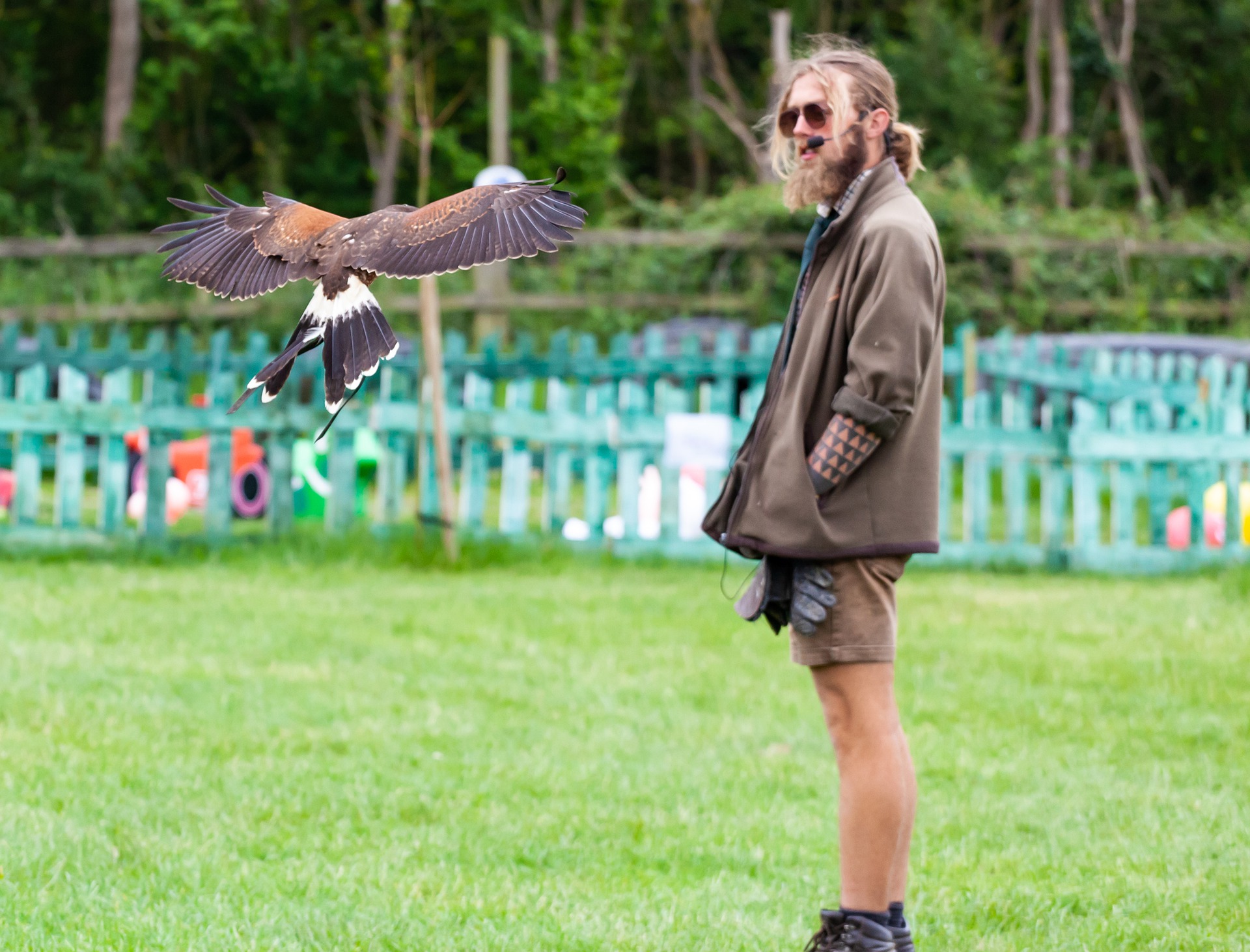
Being a dedicated falconer, I know a hood is vital for training a Harris Hawk. The hood keeps the bird calm and focused by limiting distractions. It also aids in building trust and enhancing the bond between us. Using a hood ensures the bird’s safety and helps in efficient training. There’s more to discover about the importance of hoods in Harris Hawk training.
The Purpose and Importance of Using a Hood in Harris Hawk Training
Using a hood in Harris Hawk training is essential for ensuring the bird remains calm and focused during the training process. Visual barriers created by the hood help calm the bird by limiting its vision, reducing external distractions, and allowing it to concentrate on the training session. This consistency in training conditions aids in behavioral conditioning, as the bird learns to associate the hood with the training environment, preparing it for future sessions.
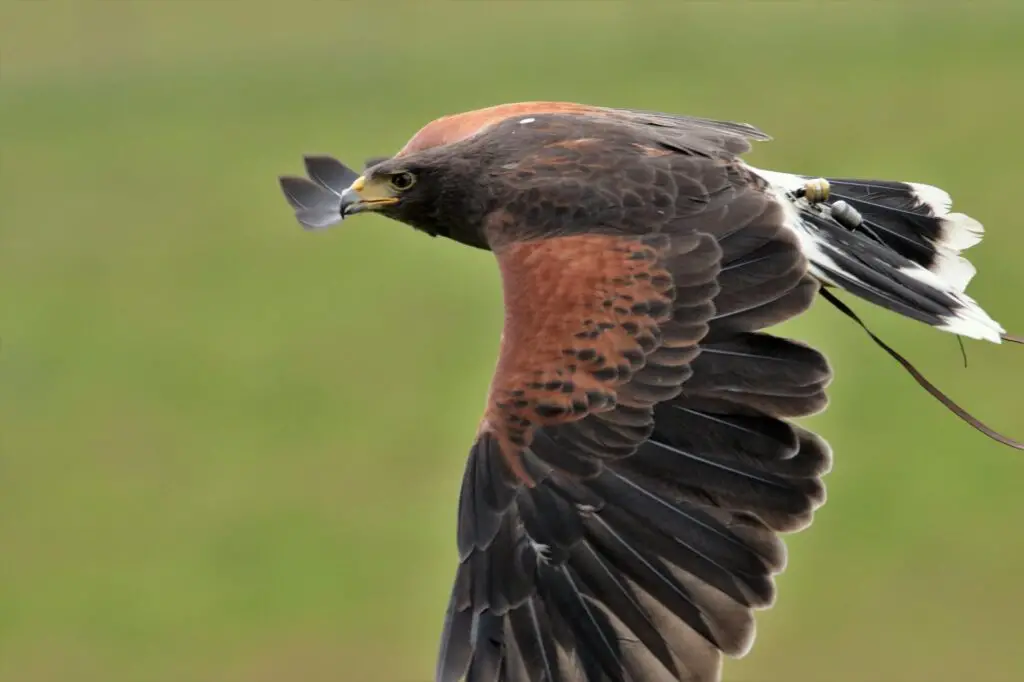
Moreover, the bonding experience between the falconer and the bird is strengthened through the use of the hood, as it establishes a sense of trust and communication between the two. The hood contributes to the hawk’s well-being and enhances training efficiency by streamlining the learning process and enabling the bird to respond effectively to commands. Overall, the use of a hood in Harris Hawk training is a fundamental aspect that plays a crucial role in shaping a successful falconry partnership.
Minimizing Stress: How Hoods Aid in Falconry Training
Putting a hood on a Harris Hawk during training sessions significantly contributes to minimizing stress and enhancing the overall effectiveness of falconry training. Stress reduction is key in ensuring the bird’s well-being and receptiveness to learning. By providing a safe and dark environment, hoods help calm the hawk, reducing external stimuli that may cause anxiety. This, in turn, allows for better focus during training sessions, leading to improved training benefits.
Furthermore, hoods play a crucial role in behavioral conditioning. When the hawk wears a hood, it learns to associate this gear with a period of rest, aiding in trust-building between the falconer and the bird. This conditioning helps create a positive training environment where the hawk feels secure and understood.
Additionally, hoods limit the hawk’s visual stimulation, helping keep the bird calm and prevent distractions during training. This controlled environment promotes a focused and productive training session, ultimately leading to better results in falconry training.
Enhancing Focus: Hooding Techniques for Concentrated Learning
To enhance the training focus of a Harris Hawk, it is crucial to master hooding techniques to achieve concentrated and effective learning outcomes. Technique refinement plays a crucial role in ensuring the bird’s attention control during training sessions, leading to enhanced focus and improved learning efficiency. Here are four key reasons why hooding techniques are paramount for successful training:
- Precision in Timing: Proper hooding timing can help manage distractions effectively, allowing the hawk to focus solely on the training task at hand.
- Enhanced Concentration: By refining hooding techniques, trainers can help the hawk maintain a high level of focus throughout the training session, maximizing learning potential.
- Improved Training Efficiency: Effective hooding contributes to a more efficient training process, enabling the bird to learn new skills faster and more accurately.
- Distraction Management: Utilizing hooding techniques helps manage external distractions, creating a controlled environment that fosters optimal learning conditions.
Mastering hooding techniques is not just about covering the hawk’s head; it’s about fine-tuning a skill that enhances the training experience for both the bird and the falconer.
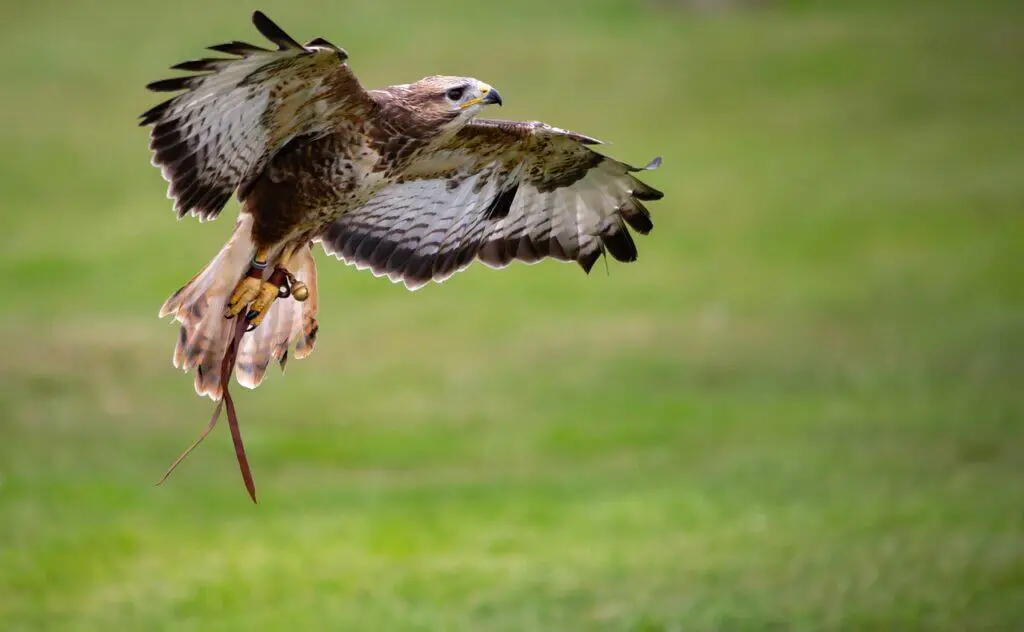
Safety Measures: Preventing Injury and Distraction during Training Sessions
Implementing rigorous safety measures ensures a focused and injury-free training environment for both the Harris Hawk and the falconer during training sessions. Preventing injuries is paramount to successful training sessions. Safety measures protect the bird from harm and safeguard the handler from potential accidents.
To maintain focus and reduce distractions during training, creating a secure and controlled setting is essential. This promotes learning and allows the Harris Hawk to concentrate on the tasks at hand without external disturbances. Ensuring safety protocols are in place, such as using proper equipment and handling techniques, enhances the overall training experience for both the bird and the falconer.
Using a hood when training a Harris hawk is crucial for minimizing stress, enhancing focus, and ensuring safety during training sessions. It is a key tool in falconry training that allows for effective communication and helps the bird to stay calm and focused. By incorporating hooding techniques into training sessions, trainers can build a strong bond with their Harris hawk and achieve successful learning outcomes.