
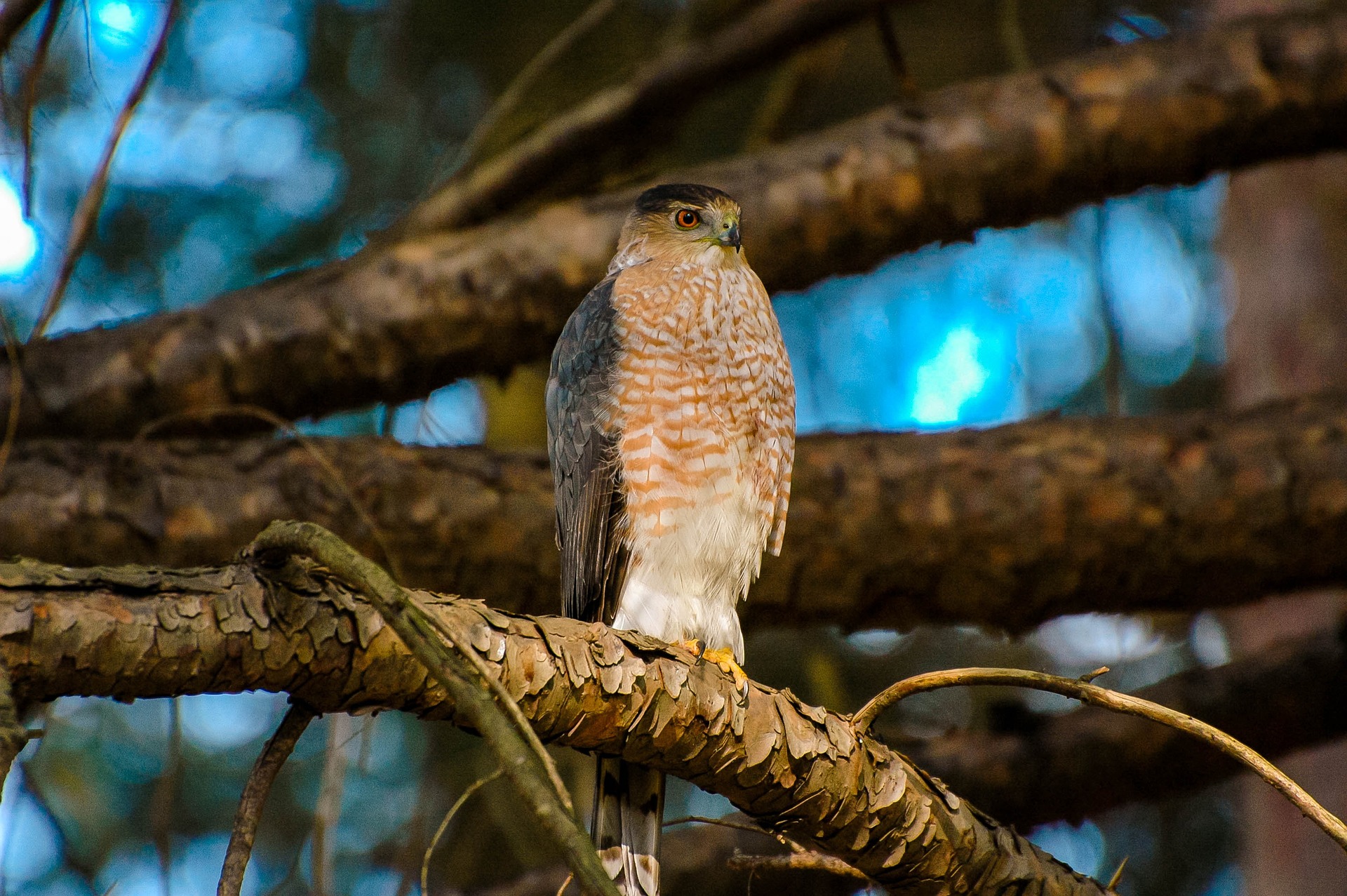
Are you among the many people confused about what accipiters are and why they are classed as this? I have had the pleasure of keeping these raptors, and I quickly learned why they are grouped like this and what sets them apart from normal hawks. Let me share with you my experiences.
What are Accipiters in falconry?
Accipiters are a group of birds of prey typically known for their adept hunting skills in woodland areas. They belong to the family Accipitridae and are characterized by their short, broad wings and long tails, a design that gives them great manoeuvrability while flying between trees. Generally, they are medium-sized birds, although their size can considerably vary from species to species.
In falconry, Accipiters are esteemed for their agile hunting techniques and fierce nature. Known for their pursuit and ambush style, these birds are capable of quick bursts of speed to catch their prey unawares. Their sharp vision and fastidious nature make them excellent choices for bird enthusiasts who seek the thrill of the chase. They are often used in falconry due to their relatively manageable size and adaptability to training, although their fierce and independent nature often requires an experienced falconer.
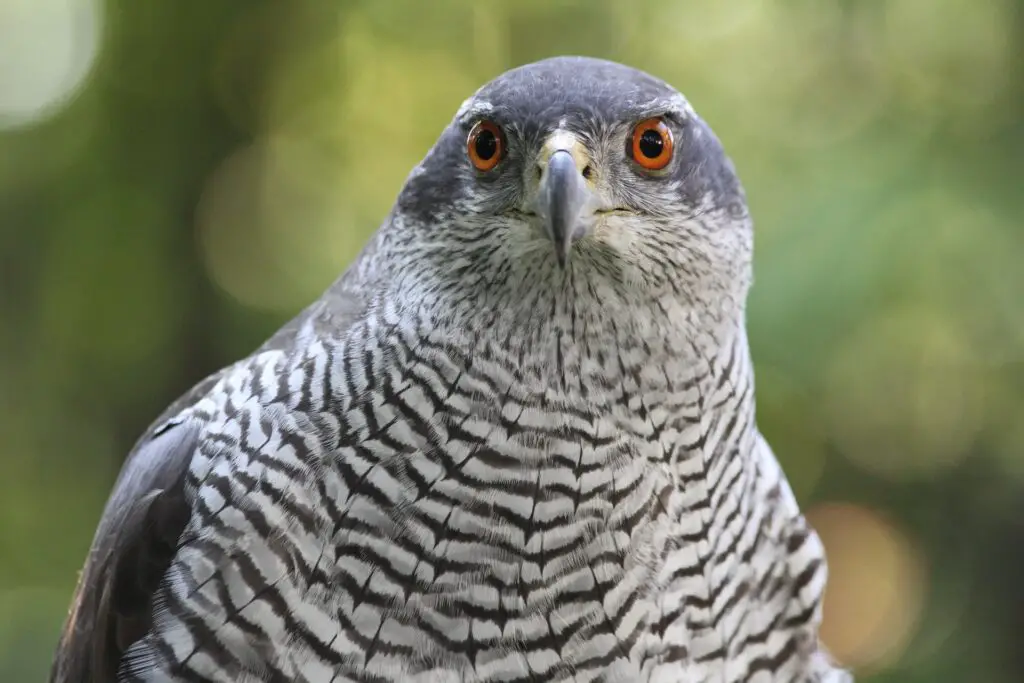
List of accipiters used in falconry
As an experienced falconer, I have been privileged to work with a variety of accipiters in my career path, and among the accipiters commonly used in this practice are :
- Sharp-Shinned Hawk – Accipiter striatus
- Eurasian Sparrowhawk – Accipiter nisus
- Cooper’s Hawk – Accipiter cooperii –
- Goshawk – Accipiter gentiles –
Each of these accipiters possesses unique characteristics that make them well-suited for falconry, and their strengths and abilities contribute to the diversity and depth of this timeless hobby.
Accipiter striatus – Sharp-Shinned Hawk
The Sharp-Shinned Hawk, scientifically known as Accipiter striatus, is a remarkable bird used in falconry. This species has a slender body and short, rounded wings, allowing it to manoeuvre through forests in pursuit of prey. Native to North America, it is often found in wooded habitats where it stealthily captures small birds, rodents, and insects. Adult Sharp-Shinned Hawks typically measure 24-37 cm (9.4-14.6 inches) in length, with a wingspan somewhere between 42-58 cm (16.5-22.8 inches).

Accipiter nisus – Eurasian Sparrowhawk
The Eurasian Sparrowhawk, formally called Accipiter nisus, is another intriguing species utilized in falconry. This bird of prey is renowned for its relatively small size and swift, agile flight, which renders it a master of stealth and surprise in its woodland hunting grounds. Native to Eurasia, the Sparrowhawk is typically found in mixed woodland habitats, though it’s also quite adaptable to varied landscapes, including urban areas. Its diet predominantly comprises smaller birds but can also exist on small mammals and invertebrates. Adult Eurasian Sparrowhawks are typically 29-42 cm (11.4-16.5 inches) in length and boast a wingspan ranging from 55-70 cm (21.6-27.6 inches).
Accipiter cooperii – Cooper’s Hawk
The Cooper’s Hawk, scientifically known as Accipiter cooperii, is a formidable bird used in falconry. It’s medium-sized, agile, and precise, making it adept at navigating dense woodlands in pursuit of prey. This North American species is commonly found in woodland habitats, using stealthy tactics to outmaneuver its prey. While small to medium-sized birds are their main diet, they also hunt small mammals and reptiles. Adult Cooper’s Hawks measure around 35-50 cm (13.8-19.7 inches) with a wingspan of 62-90 cm (24.4-35.4 inches).
Accipiter gentiles – Goshawk
The Goshawk, scientifically referred to as Accipiter gentilis, is a magnificent bird of prey that has earned a place in the world of falconry for its strength, agility and grace. This majestic species hails from various regions worldwide, including North America, Europe and Asia. Commonly found in wooded habitats where they can move with ease through dense foliage in search of their prey, the Goshawk has a diverse diet that largely consists of small to medium-sized birds and mammals. Adult Goshawks can measure 46-69 cm (18.1-27.2 inches) in length, with a wingspan ranging from 94-128 cm (37-50.4 inches).

Are accipiters good for falconry?
I have found accipiters to be excellent for falconry. When it comes to their pros and cons, accipiters have impressive speed, agility, and intelligence, making them highly effective hunters. They are known for their ability to manoeuvre through dense cover, making them superior in hunting in wooded areas compared to other raptors. Accipiters have a strong prey drive and can take down a wide range of game, from small birds to rabbits. In terms of training techniques, accipiters require patience and consistent handling to build trust and develop a strong bond with their falconer. Once trained, they become skilled hunting partners, displaying impressive hunting techniques such as stooping and ambushing their prey.
Accipiters’ adaptability in falconry is another advantage, as they can successfully adapt to various hunting environments and conditions. Their cons are not red flags, but they are worth noting. These birds are known for their fierce nature and can be challenging to train, requiring an experienced falconer. They also have a high level of energy, which means they need regular exercise and hunting opportunities to sustain their physical and mental health.
Is it hard to train accipiters for falconry?
Training accipiters for falconry can be challenging, primarily due to their highly active nature and instinctive hunting prowess. They have a strong predatory instinct, which makes them phenomenal hunters. This means they require a firm yet patient hand to manage. They need frequent hunting trips to satisfy their inherent need for hunting, making them more demanding than other birds of prey. Also, they necessitate a higher level of commitment and time from their handlers. Therefore, although training accipiters isn’t impossible, it does necessitate an experienced falconer with a good understanding of these birds’ unique characteristics and needs.
Are accipiters expensive to obtain
Acquiring an accipiter for falconry can be a relatively costly endeavour. Several factors come into play when considering the cost of obtaining accipiters in the falconry market. First and foremost, the rarity and availability of the specific species can greatly influence the price. Accipiters who are highly sought after for falconry tend to be more pricey due to their scarcity. Additionally, the bird’s age, training level, and breeding quality can also impact the price. Compared to other birds of prey used in falconry, accipiters generally fall on the higher end of the price spectrum. They require a significant financial investment, not only in terms of the initial outlay but also in terms of their ongoing care, training, and equipment.
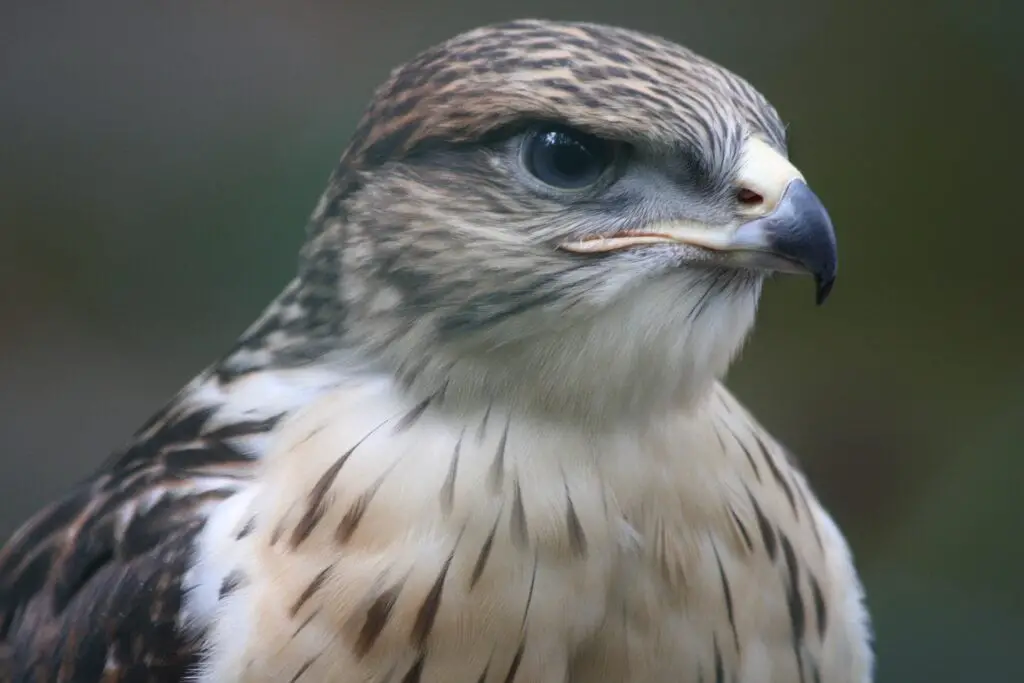
In conclusion, accipiters are a fantastic choice for falconry enthusiasts. While their training may require extra patience and effort, the rewards are well worth it. Despite the initial expense of obtaining an accipiter, the bond formed between falconer and bird is priceless. So, don’t let any doubts hold you back from experiencing the exhilaration and beauty of working with accipiters in falconry.
Frequently Asked Questions
What Are Some Unique Characteristics of Accipiters That Make Them Suitable for Falconry?
- Accipiter’s hunting ability, agility, and stealth enable them to pursue prey effectively. Their size and temperament also contribute to their effectiveness as hunting partners in falconry.
How Do Accipiters Compare to Other Raptors Commonly Used in Falconry?
- Their agility, speed, and hunting techniques set them apart when comparing accipiters to other raptors in falconry. Their training methods and prey preferences vary, but their behaviour and temperament make them excellent choices for skilled falconers.
What Are the Key Considerations and Challenges When Training Accipiters for Falconry?
- When training accipiters for falconry, key considerations and challenges include understanding their natural behaviour, adapting training techniques to their personalities, and building a strong bond based on trust and respect.
Are There Any Specific Legal Requirements or Regulations Regarding the Use of Accipiters in Falconry?
- There are specific legal requirements and regulations regarding using accipiters in falconry. Permits must be obtained, and conservation efforts and ethical considerations must be considered to ensure responsible and sustainable practices.