
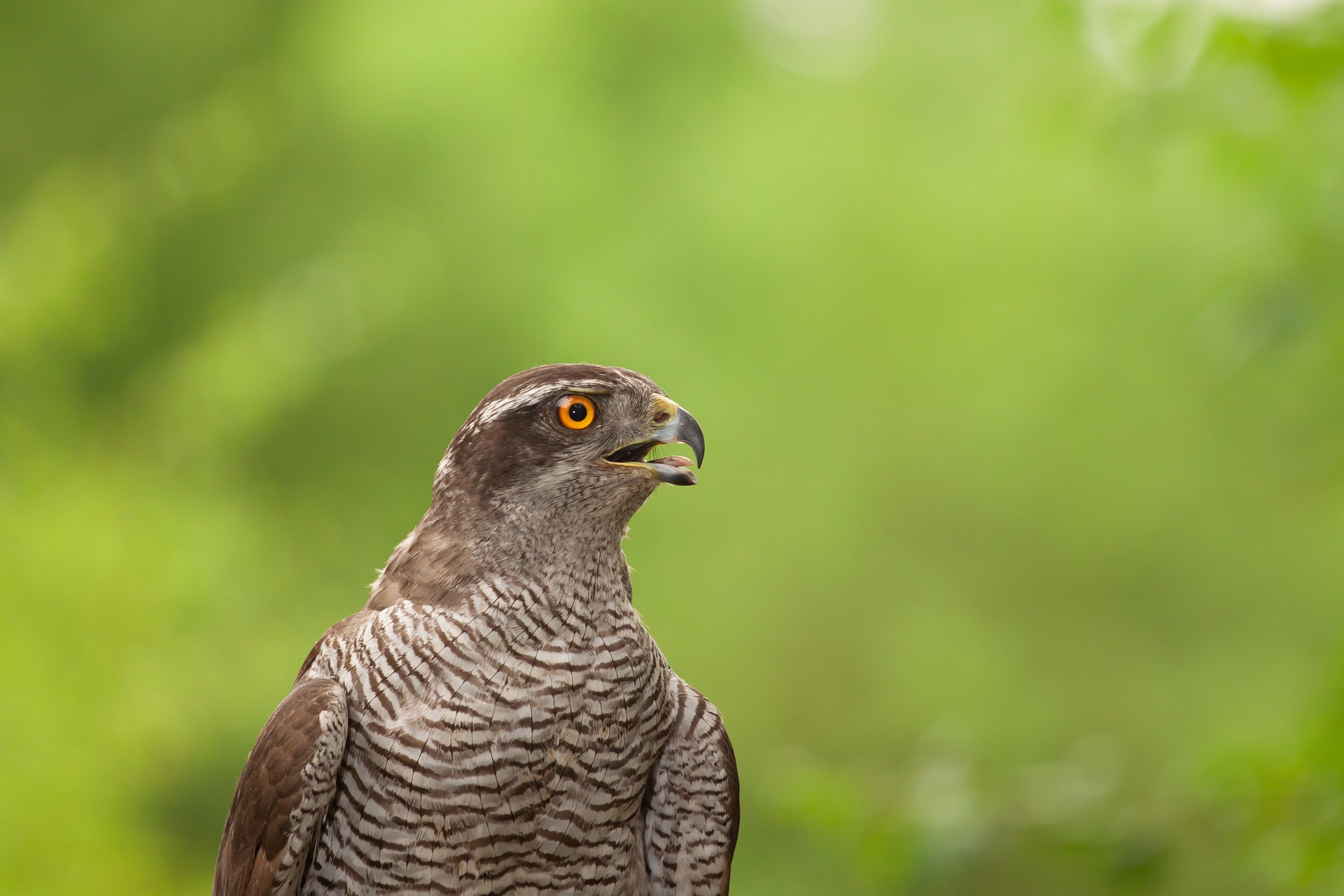
Goshawks are one of the most beautiful birds of prey, but they are also difficult to train for falconry. Goshawks have very high energy levels and a tendency to be unpredictable, which makes them challenging to handle and control. They can quickly become distracted or agitated if not handled properly. Goshawks have been used in falconry for centuries and are still one of the most popular birds used today. These birds are highly versatile and can be trained for a variety of hunting purposes, but how hard is it to train these birds for falconry?
Goshawks are one of the most challenging birds to train for falconry. They are highly intelligent, aggressive, and territorial birds that require experienced handlers. In addition, goshawks tend to get easily bored and can become destructive if not properly stimulated. Training a goshawk requires patience, dedication, consistency, and understanding of the raptor’s needs.
Goshawks are more complex to maintain than other raptors due to their needs. To help you out, we’ll walk you through every detail you need to know about goshawks in falconry, from their history and biology to training and hunting techniques. We will also provide tips on how to care for these magnificent raptors. So whether you are a seasoned falconer or just starting out, read on to learn more about goshawks!
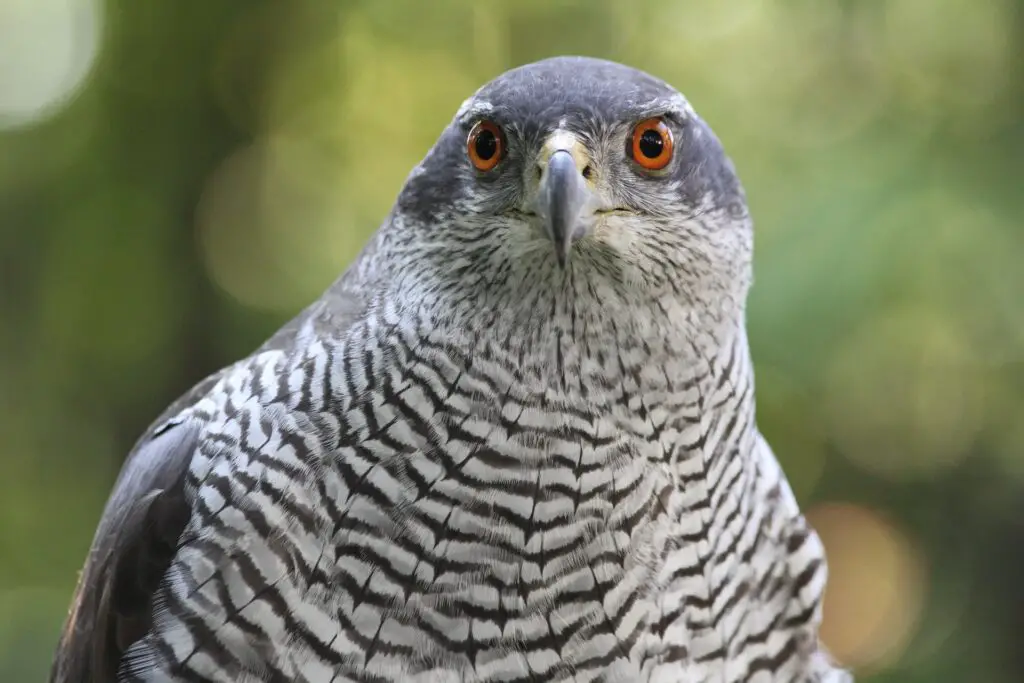
Do Goshawks have the ability to be domesticated?
While it is possible to train some birds of prey, such as falcons, for hunting or other purposes, goshawks have generally not been successful candidates for domestication. These large birds are notoriously difficult to handle and are often highly aggressive towards humans. In addition, goshawks have a strong migratory instinct and will often attempt to leave their captive environment if given the opportunity. For these reasons, goshawks are generally not considered to be good candidates for domestication. However, there have been a number of cases in which goshawks have been successfully trained and kept as pets or working animals. These birds require a great deal of time and effort to properly care for, but for those who are willing to put in the work, goshawks can make fascinating and impressive companions.
How suitable are Goshawks for beginners?
Goshawks are a type of hawk that is often used in falconry. They are known for being very aggressive and difficult to train, which can make them unsuitable for beginners. Goshawks have a strong hunting instinct and will often attack other birds, even if they are not hungry. This can make it difficult to control them when out hunting. Additionally, Goshawks require a lot of space to fly, so they need to be better suited for beginners who need access to large open areas. Goshawks can be challenging pets for even experienced falconers and are not recommended for beginners. For more information, we have a post on whether or not goshawks makes good pets.
How intelligent are Goshawks, and can they be trained to hunt prey in falconry?
Goshawks are large and powerful birds with sharp talons and beaks that make them well-suited for hunting. They are also very intelligent birds, capable of learning complex behaviours. In fact, research has shown that Goshawks can be successfully trained to hunt prey in falconry. While not all birds of prey are suitable for this type of training, Goshawks have the intelligence and athletic ability to make them ideal candidates. In addition, they can provide their human handlers with hours of enjoyment and satisfaction with proper training.
When falconers work with Goshawks, what challenges do they face?
Goshawks are one of the most popular birds of prey among falconers, but they are also one of the most challenging to work with. Goshawks are notoriously aggressive and have powerful beaks and talons that can cause serious injury. They are also very shy and easily startled, which makes them difficult to train. In addition, Goshawks require a large amount of space to hunt, and they typically only stay with one falconer for a few years before moving on. For all these reasons, Goshawks are not easy to work with, but many falconers find them immensely rewarding.
Does training a Goshawk from birth work better than purchasing a trained one?
Goshawks are often used in falconry, as they are large and powerful birds with a natural hunting instinct. Traditionally, Goshawks were only obtained from the wild, but more recently, purchasing them from commercial breeders has become popular. There is debate among falconers as to which method is more effective. Some argue that training a Goshawk from birth is best, as the bird will be more Bonded to the handler and less likely to return to the wild. Others argue that purchasing a trained bird is preferable, as it eliminates the need for months of intensive training. Ultimately, the decision of whether to purchase or train a Goshawk is a personal one, and there needs to be a clear consensus on which method is superior.
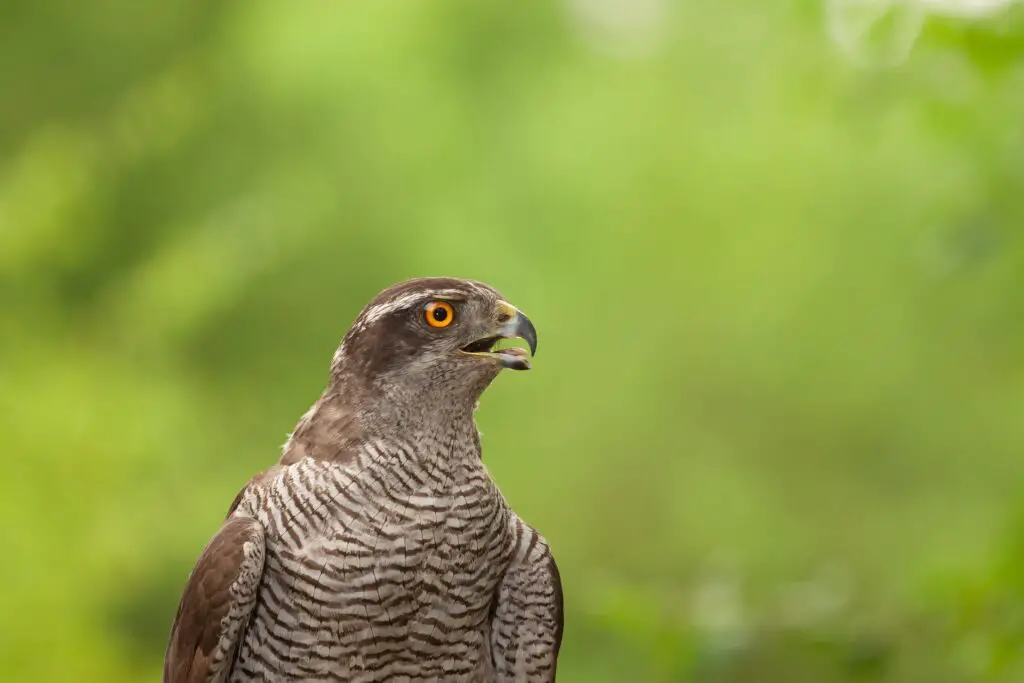
Before a Goshawk can fly freely, how long does it have to train
In order to be flown in falconry, a Goshawk must go through a process of training and conditioning. The first step is to get the bird accustomed to being around humans. This can take several weeks, and the Goshawk must have positive experiences with people during this time. Once the bird is comfortable with human presence, the next step is to begin teaching it basic commands. This training can take several months, and it is important to be patient and consistent during this process. After the Goshawk has mastered basic commands, it can then start to learn more advanced skills, such as how to hunt. The entire process of training and conditioning a Goshawk for falconry can take up to two years, but the end result is a magnificent bird that is a joy to fly.
If you’re interested in owning a goshawk, be sure to do your research and find a reputable falconer. It may take some work to train your Goshawk, but it will be well worth it when you finally have this magnificent bird of prey by your side.