
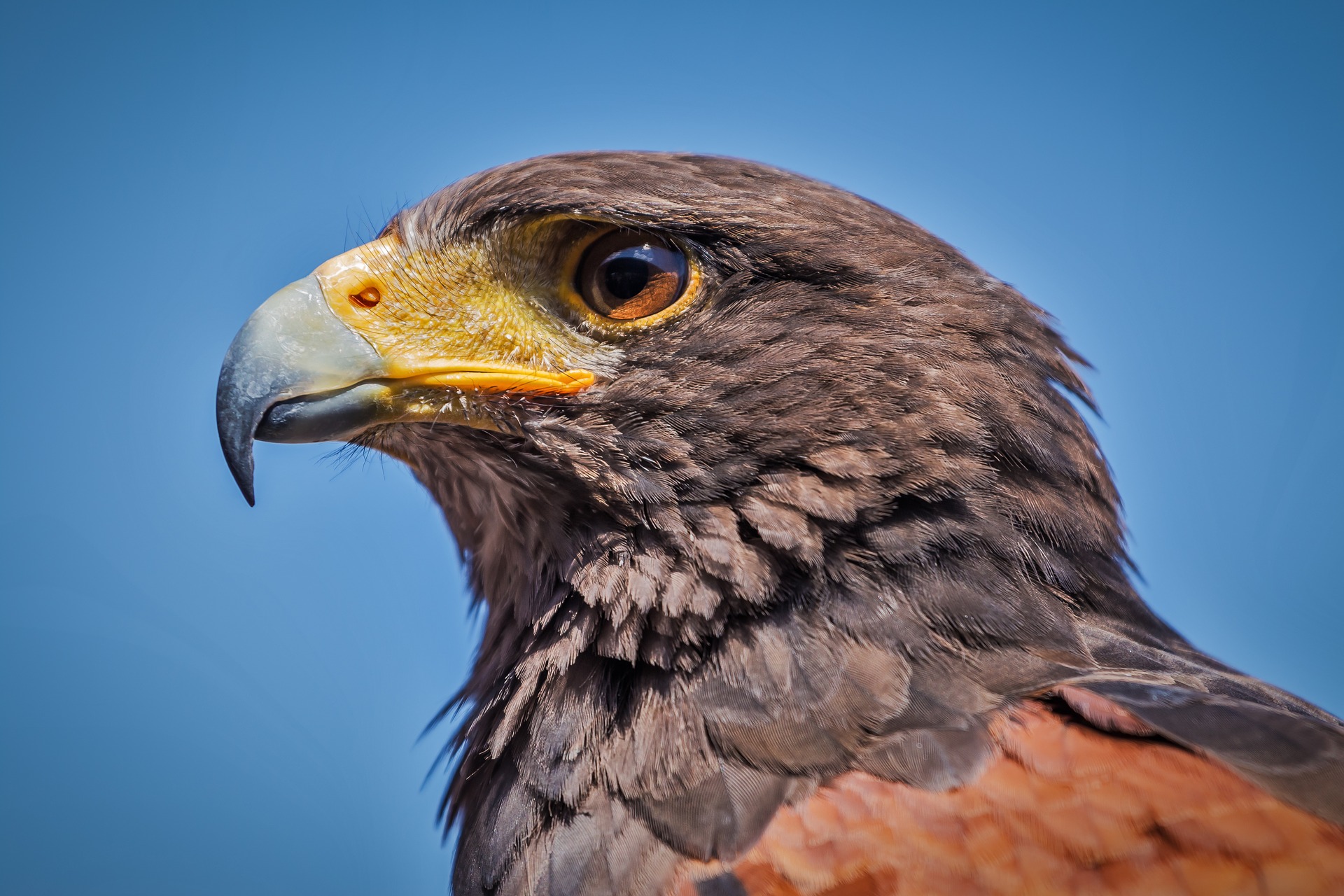
Yes, Harris hawks in falconry do hunt in packs, displaying advanced cooperative strategies involving specific roles, social interactions, and effective communication for successful hunting. This behavior showcases their remarkable ability to work together and adapt to different roles during the hunt, ultimately leading to higher prey capture rates. Suppose you’re curious about how stacking enhances visibility or want to learn more about the differences between pack and solo hunting. In that case, the content below is exactly what you need.
Harris Hawk hunting in packs
When Harris hawks hunt in packs, their teamwork is truly remarkable. These birds of prey coordinate their movements to increase their chances of capturing prey successfully. Observing their collaborative hunting strategies in the wild or during falconry demonstrations is both thrilling and educational.
How they hunt in Falconry in pairs or more
In the context of falconry, Harris hawks hunting in packs or groups demonstrate adaptability and social cohesion that is enhanced through training and bonding. Unlike in the wild, where these birds naturally develop social hierarchies and cooperative behaviors, these behaviors need to be nurtured in falconry. For Harris hawks to efficiently hunt in packs during falconry activities, it’s essential that they are not only trained but also have developed a strong bond with the other Harris hawks they are intended to hunt with. This means that if you and a friend each own a Harris hawk and want them to hunt together, it’s more complex than just putting them together and hoping for the best.

These birds would need time to adjust to each other’s presence, develop a mutual understanding, and essentially learn to work as a team. This process involves structured training sessions where the birds are gradually introduced and allowed to develop trust and coordination. Only through this careful preparation can falconers expect to see the collaborative hunting behavior that Harris hawks are famous for, demonstrating the incredible potential of these raptors to work together under the guidance of their human handlers.
How they hunt in the Wild in packs
A fascinating behavior observed in the wild is the cooperative hunting strategy of Harris hawks, where they work together in packs to increase their chances of success. In the wild, Harris hawks exhibit intricate pack dynamics, with individuals taking on specific roles during the hunt. This cooperative hunting behavior allows them to target larger prey that would be challenging for a single hawk to capture alone. The social interactions within the pack are crucial for their success, as they communicate effectively to coordinate their movements and actions. By hunting in packs, Harris hawks showcase their remarkable hunting strategies, demonstrating a level of coordination and teamwork rarely seen in the avian world. This wild behavior highlights these birds’ adaptive nature and ability to thrive through cooperative hunting.
Harris Hawk stacking during hunts
During hunts, Harris Hawks demonstrate an impressive tactic known as stacking, where they coordinate their positions in the air to capture prey efficiently. This back-stacking behavior is a remarkable hunting strategy commonly observed in this species of bird of prey. Through careful training techniques and a deep understanding of group dynamics, falconers can harness this natural behavior to enhance the effectiveness of the hunt.
| Advantages of Harris Hawk Stacking | Description | Benefits |
| Enhanced Visibility | Birds position vertically in the air, increasing the hunting range | Improved prey detection |
| Cooperative Hunting | Hawks work together, flushing out prey from hiding spots | Higher success rates |
| Efficient Prey Capture | Stacking allows for coordinated attacks from different angles | Swift and effective kills |
| Group Communication | Birds communicate through calls and body language during stacking | Seamless coordination |
Understanding and leveraging stacking behavior in Harris Hawks can significantly impact the outcome of a hunt, showcasing the intricate nature of these majestic birds in their natural hunting environment.
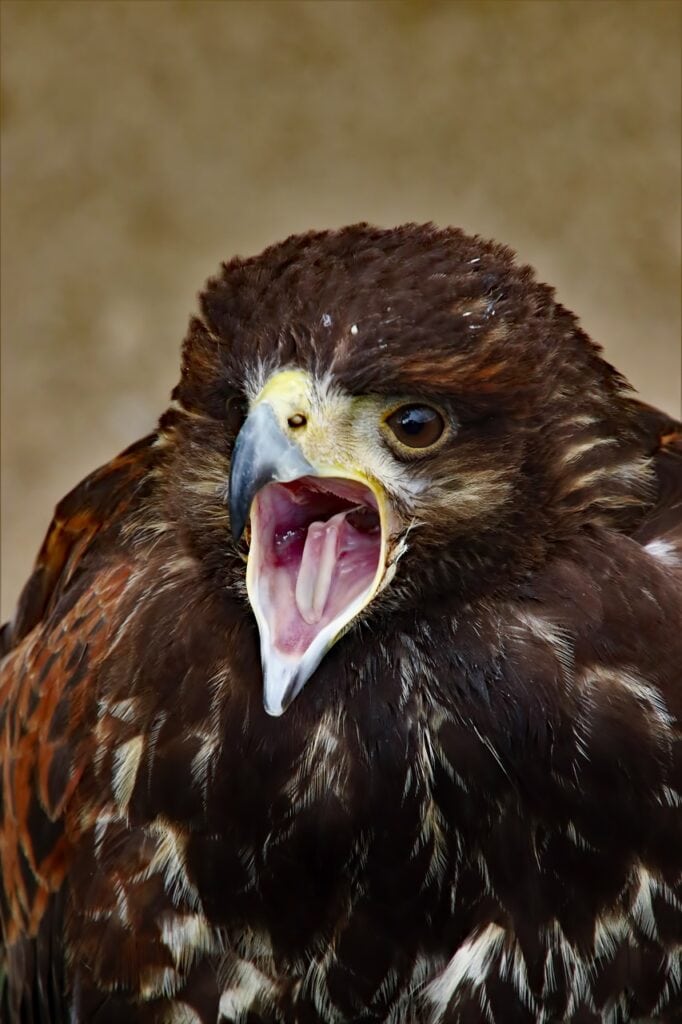
Pack Hunting Vs. Solo Hunting
When considering the hunting behaviors of Harris Hawks, the distinction between pack hunting and solo hunting becomes a critical factor in understanding their strategies and success rates in capturing prey. Harris Hawks exhibit a unique blend of solo and group hunting tactics, making them highly versatile predators. In solo hunting, a single hawk relies on its speed, agility, and sharp vision to target prey efficiently. This strategy allows for quick decision-making and swift execution of hunting maneuvers, often resulting in successful captures of smaller prey. On the other hand, group hunting involves coordinated efforts among multiple hawks, leveraging social dynamics to increase the chances of securing larger prey. Harris Hawks can encircle, flush out, and corner elusive prey by working together, showcasing their collaborative hunting strategies. The ability to switch between solo and group hunting based on the size and behavior of the prey highlights the adaptive nature of Harris Hawks and their sophisticated hunting behaviors.
In conclusion, Harris hawks are unique in their hunting behavior. They are one of the only raptors that hunt in packs. This cooperative hunting strategy allows them to take down larger prey and increases their chances of success. While they are capable of hunting solo, their efficiency and success rate are often higher when they work together as a team. This pack-hunting behavior sets them apart from other birds of prey in the world of falconry.