Caring for hawks is a crucial part of being a falconer. Hawks and other birds of prey are not domesticated animals, so they require specialized care to thrive in captivity. In this guide, we will discuss the key aspects of caring for hawks as a falconer.
Training and Bonding
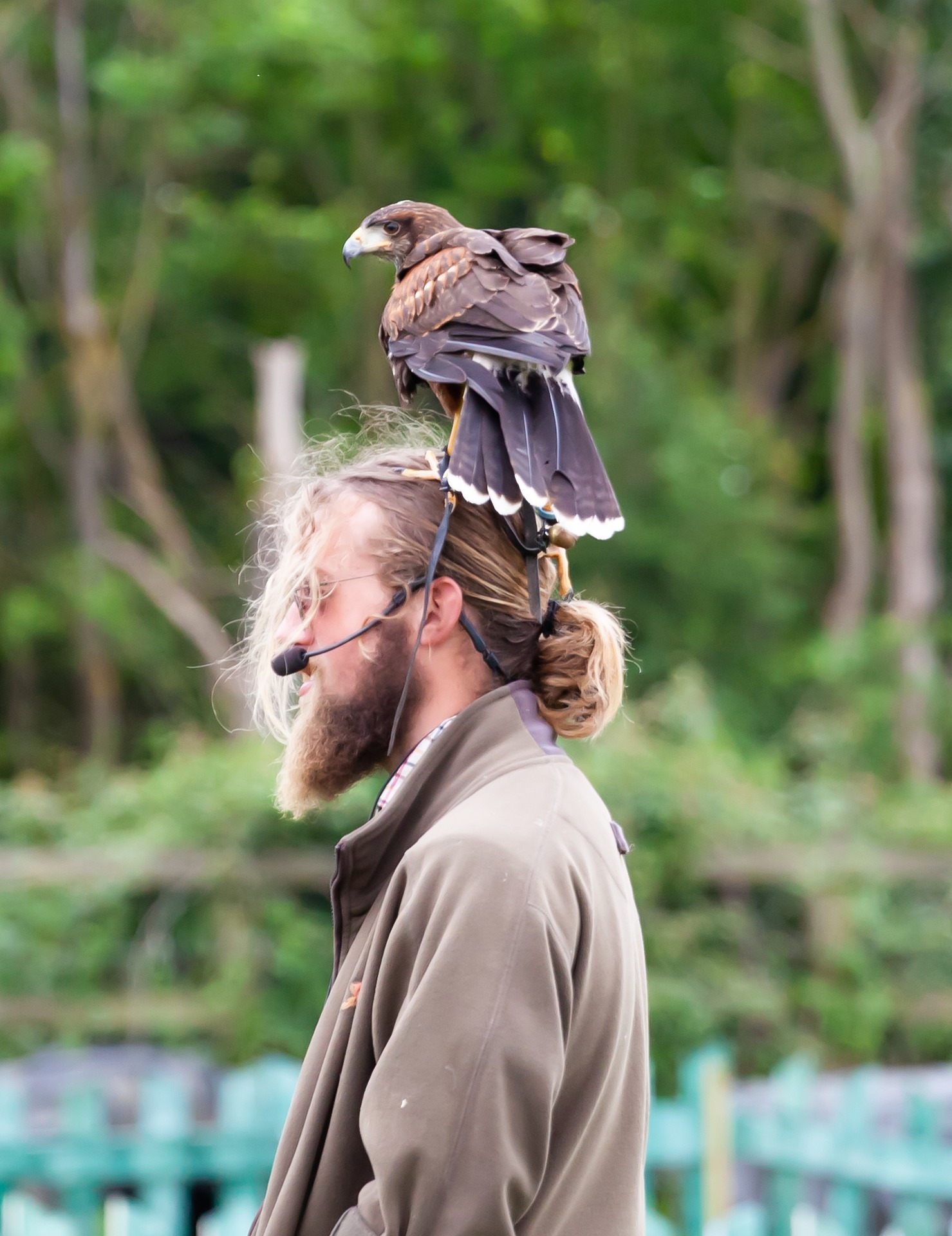
The first step in caring for a hawk is establishing a strong bond with the bird. This can take weeks or even months, as hawks are wild animals and may initially be wary of humans. To build trust and create a connection, falconers will spend time bonding with their hawks through frequent handling, gentle vocalizations, and offering food rewards.
Here are the steps I take to bond with my hawk:
- Spend Quality Time: I devote hours each day to interacting with my hawks, engaging in activities such as training sessions, walks, and even quiet bonding moments.
- Understand Their Behavior: Closely observing the hawks’ body language and vocalizations can aid you to better understand their needs and emotions, strengthening your connection.
- Positive Reinforcement: Utilizing reward-based training methods helps build trust and mutual respect, enhancing your partnership.
- Consistent Care: Providing a stable environment with regular feeding schedules, comfortable housing, and proper veterinary attention fosters a sense of security and attachment in hawks.

Once a bond is established, training can begin. If you have bonded well with your bird, it will be more receptive to training and less likely to become stressed or aggressive. As with any animal, positive reinforcement is key – rewards for desired behaviour should always outnumber punishments for undesired behaviour.
Housing and Shelter
Hawks require specialized housing to thrive in captivity. The mews, or housing unit, should be spacious enough to allow the hawk to move around comfortably. It must also have proper ventilation to ensure good air quality. Additionally, the mews should have perches of varying heights to mimic the natural environment of the hawk.
Shelter is essential for protecting the hawk from extreme weather conditions. The mews should be insulated to keep the hawk warm during cold weather and have shade to provide relief from heat during the summer months. It’s important to regularly clean the mews to prevent the buildup of waste, bacteria and germs, which can lead to health complications for the hawk.
Nutrition and Feeding
Proper nutrition plays a pivitol role in maintaining the health and well-being of hawks in captivity. Hawks are carnivorous birds, and their diet in captivity should mirror what they would consume in the wild. Here are a few foods that I feed my hawks:
- Mice
- Rats
- Quails
- Chicks
- Day-old chickens
- Pigeons
It’s also essential to ensure a balanced diet by offering a variety of prey, including feathers and bones, which are vital for maintaining strong beak and talon health.

Training and Exercise
Training begins early in a hawk’s life to establish a strong bond and trust between the bird and the falconer. I start with basic training, like teaching the hawk to step onto the glove, recall to the fist, and perch on a suitable surface. Once these fundamentals are mastered, more advanced training can commence, focusing on flight techniques and hunting skills.
Regular flying sessions are excellent exercises which allow the hawk to strengthen its wing muscles, improve coordination, and enhance its hunting abilities. Flying free in a safe environment, such as a field or an aviary, enables the hawk to practice its natural instincts while under the falconer’s supervision. Additionally, mental stimulation through training exercises like target practice or simulated hunting scenarios keeps the hawk engaged and content.
Health Monitoring and Care
Monitoring the health of my hawks requires regular assessments and attentive care to ensure their well-being remains optimal. I conduct daily visual checks to assess their overall condition, looking for any signs of injury, illness, or abnormal behaviour. I also track their weight regularly to ensure they’re maintaining a healthy size. By keeping detailed records of their weight fluctuations, eating habits, and behaviour patterns, it’s easy to identify any deviations that may indicate a health issue.
Caring for hawks is a significant responsibility that requires dedication and expertise. By building a strong bond and providing proper housing, nutrition, training, exercise, and health monitoring, falconers can ensure their hawks are healthy and content in captivity. Remember to always prioritize the well-being of your hawk above all else.
Frequently Asked Questions
How Do Falconers Ensure Their Hawks Have Opportunities for Socialization With Other Birds of Prey?
- By arranging controlled interactions, like simulated hunting exercises or group training sessions, falconers can foster healthy relationships and mimic natural behaviours, enhancing the well-being of their birds.
What Measures Do Falconers Take to Prevent Their Hawks From Becoming Stressed or Anxious?
- By closely monitoring their birds’ behaviour, providing consistent care and attention, and ensuring a comfortable environment, falconers can help minimize stress and anxiety in their hawks.
How Do Falconers Handle Situations Where Their Hawks Become Injured or Sick?
- When my hawk is injured or sick, I carefully assess the situation, provide immediate first aid if needed, and seek veterinary care promptly.
What Steps Do Falconers Take to Ensure Their Hawks Are Mentally Stimulated and Engaged?
- To ensure hawks are mentally stimulated, you can provide varied environments, prey simulation, and socialization. Flying exercises, training sessions, and exposure to new sights and sounds all contribute to their mental engagement and overall well-being.