

There are many different species of hawks that can be trained and used for falconry. Each one has its own unique characteristics, strengths, and training requirements. In this list, you will find some of the most popular hawks used in falconry.
What hawks are used in falconry?
Red-tailed Hawk (Buteo jamaicensis)
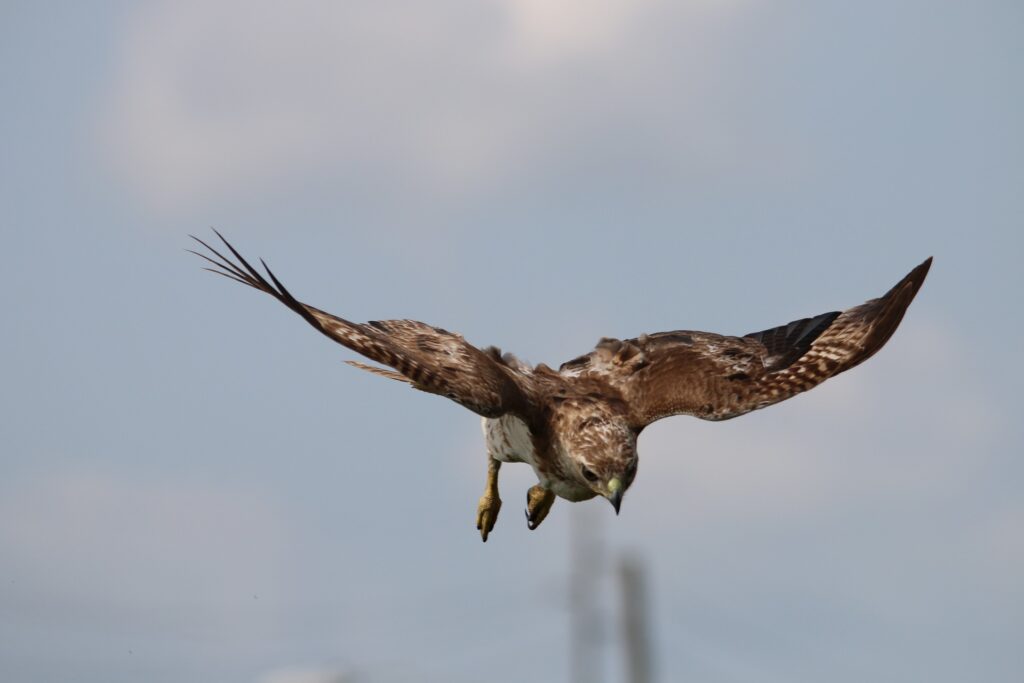
As an experienced falconer, I’ve found the Red-tailed Hawk (Buteo jamaicensis) to be a great beginner bird for those new to the sport. They are one of the most common and widespread hawks in North America, making them easily accessible for trapping and training. This species is known for its intelligence, adaptability, and strong hunting abilities.
The Red-tailed Hawk possesses a sharp intelligence that, when paired with proper guidance, allows for a strong bond to form between the bird and the falconer. One of the most striking features of the Red-tailed Hawk is its distinctive red tail, which becomes prominent as the bird matures.
Their large size and powerful talons make them efficient hunters of small game such as rabbits, squirrels, and pheasants. They are also capable of taking down larger prey, making them a versatile hunting partner.
Harris’s Hawk (Parabuteo unicinctus)
When I started falconry, the Harris Hawk was one of the first birds I owned and began training. This species is known for its social nature and ability to hunt in groups.
Here are some of the key pointers I’ve gathered on this species over the years:
- Social Nature: Harris’s Hawks are one of the few raptor species that exhibit cooperative hunting behaviour in the wild. This trait translates well to falconry, as they can be trained to work effectively with other birds or even dogs during hunts.
- Intelligence: These hawks are highly intelligent and can quickly learn from their environment and experiences. They are known for their problem-solving abilities, which can make training more straightforward compared to some other raptor species.
- Adaptability: Harris’s Hawks are adaptable to a variety of habitats, including desert, scrubland, and woodland areas. This adaptability makes them versatile hunting partners for falconers in different environments and climates.
- Tolerance to Captivity: Compared to some other raptor species, Harris’s Hawks tend to adapt well to life in captivity. They can form strong bonds with their falconer and often exhibit less stress-related behaviours when trained and handled properly.
- Size and Weight: They are medium-sized raptors, making them manageable for many falconers in terms of size and weight. Their moderate size allows for easier transport and handling compared to larger species like eagles or vultures.
- Long Lifespan: In captivity, Harris’s Hawks can live for 25 – 30 years with proper care and attention. This longevity provides falconers with the opportunity to develop long-term relationships and partnerships with their birds.
- Versatile Hunters: They have diverse hunting capabilities, making them effective hunters of a wide range of prey, including small mammals, birds, and even reptiles. Their adaptability in hunting techniques and prey selection can make them valuable assets for falconers practising various styles of falconry.
Cooper’s Hawk (Accipiter cooperii):
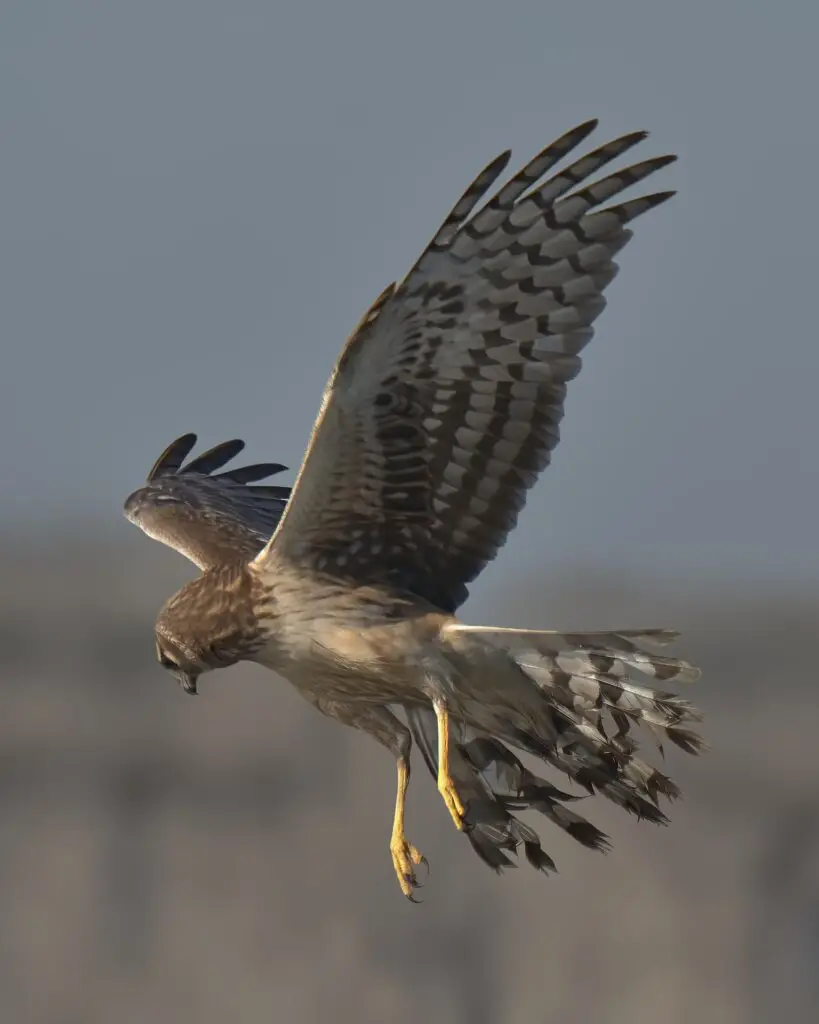
The Cooper’s Hawk is a medium-sized hawk found across North America, ranging from southern Canada to northern Mexico. Here are some key characteristics of this species:
Physical Characteristics:
- Size: Cooper’s Hawks are medium-sized raptors, with adults typically measuring around 14 to 20 inches in length.
- Colouration: Their plumage varies from dark grey to bluish-grey on their upperparts, with lighter underparts barred with rusty brown stripes.
- Eyesight: Cooper’s Hawks, like all raptors, have excellent vision that allows them to easily detect prey from afar.
- Flight: They are agile flyers, capable of swift and precise manoeuvres through dense vegetation or cluttered environments, which makes them highly effective hunters.
Behaviour and Hunting Style:
- Cooper’s Hawks are well-known for their impressive hunting skills, mainly targeting small to medium-sized birds like songbirds and pigeons.
- Their hunting strategy often involves surprising their prey with sudden bursts of speed, relying on stealth and agility to outmanoeuvre and capture their targets.
- These hawks are also known for their adaptability, hunting in various habitats ranging from dense woodlands to urban areas where birds congregate around feeders or parks.
Suitability for Falconry:
- Cooper’s Hawks are highly valued by falconers for their versatility and hunting prowess. They are considered ideal for pursuing game birds and challenging quarry due to their agility and hunting style.
- Their ability to navigate dense cover and pursue birds in cluttered environments makes them valuable assets in falconry, especially for hunting in wooded areas where other birds of prey may struggle.
- However, training and handling Cooper’s Hawks for falconry require patience, and a deep understanding of their behaviour and instincts. They are spirited birds with a strong independent streak, requiring careful training to establish a bond with their falconer.
Northern Goshawk (Accipiter gentilis):
As a falconer, I believe the goshawk is an excellent choice for falconry for a few key reasons. First and foremost, the goshawk possesses an impressive combination of strength, agility, and predatory instinct. These attributes make them formidable hunters, capable of taking down prey with remarkable efficiency. Whether pursuing a game in dense woodland or open fields, the goshawk’s versatility and adaptability are second to none.
Furthermore, goshawks exhibit a strong bond with their falconer when properly trained and handled. They are intelligent birds that respond well to consistent training and positive reinforcement. Building trust and mutual respect between falconer and bird is crucial for successful falconry, and the goshawk’s innate intelligence facilitates this process.
However, it’s important to recognize that goshawks are not beginner birds. They require a a lot of commitment of time, effort and resources to train and maintain. I suggest that falconers who have a few years’ experience working with smaller raptors, such as kestrels or merlins, would be better prepared to work with goshawks.

Red-shouldered Hawk (Buteo lineatus):
The Red-shouldered Hawk (Buteo lineatus) is a medium-sized bird of prey that can be found in eastern North America. It belongs to the family Accipitridae, such as eagles, kites, and harriers.
Appearance
The Red-shouldered Hawk has a distinctive appearance with its reddish-brown and barred chest, reddish-brown shoulder patches, and black and white banded tail. Its head is also quite striking, with a dark cap and a pale chin. It can be easily mistaken for the similar-looking Red-tailed Hawk, but its smaller size sets it apart.
Size
This raptor can reach a length of 15-19 inches (40-61 cm) and has a wingspan of 37-52 inches (94-132 cm). Females are typically larger than males.
Plumage
The Red-shouldered Hawk has a unique plumage with reddish-brown feathers on its chest and belly, giving it its name. Its back is dark brown with white spotting, and its wings are dark with white bars. The tail is black and white banded, and the head has a dark cap with a pale chin.
Habitat
The Red-shouldered hawks can be found in various habitats, such as deciduous and mixed forests, swamps, and wetlands. It prefers areas with tall trees for nesting and open spaces for hunting.
Diet
As a raptor, they are primarily carnivores and feed on small mammals, reptiles, amphibians, and birds. Its preferred prey includes squirrels, rabbits, snakes, frogs, and smaller birds. It hunts by soaring and gliding over open areas, scanning the ground for potential prey.
Behaviour
The Red-shouldered Hawk is a solitary bird and usually only comes together during mating season. They are also known for their loud vocalizations, which include a high-pitched scream and a distinctive “kee-yah” call.
Ferruginous Hawk (Buteo regalis):
From my experience as a falconer, the Ferruginous Hawk has been one of the most interesting and challenging birds to work with. This Hawk is native to western North America, where it can be found in grasslands, deserts, and other open habitats.
Here are Three Key Points about the Ferruginous Hawk:
- Impressive Size: The Ferruginous Hawk is one of the largest hawks in North America, making it a formidable presence in the sky. Its size allows it to take down larger prey, making it a versatile hunter in falconry.
- Excellent Vision: Equipped with exceptional eyesight, the Ferruginous Hawk can spot prey from great distances, aiding in successful hunts. This keen vision is essential for effective hunting in the wild.
- Agile Fliers: Despite their size, Ferruginous Hawks are agile fliers, capable of swift manoeuvres during the pursuit of prey.
Broad-winged Hawk (Buteo platypterus):
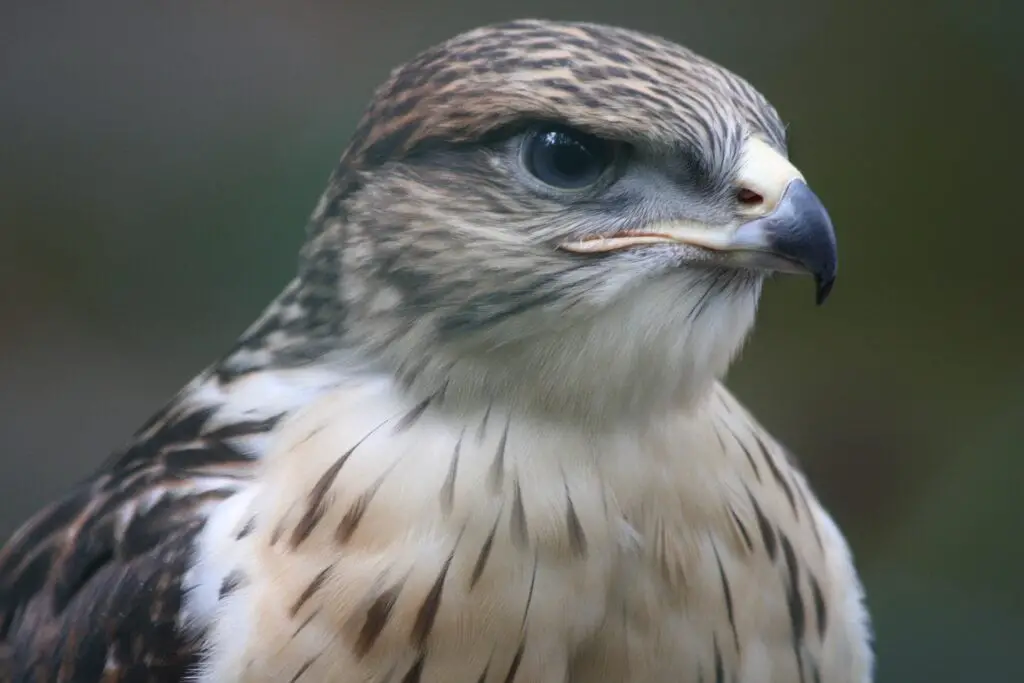
The Broad-winged Hawk is a popular choice among falconers due to its small size and agility. It can be found in North America, where it can be seen soaring over forests and woodlands. This hawk species, with its distinctive broad wings and banded tail, is known for its impressive hunting abilities.
These birds are best suited for experienced falconers, as they can be challenging to train. They are highly independent and require a patient and consistent training approach. However, once trained, the Broad-winged Hawk is an excellent hunting partner with its swift flying abilities and sharp talons.
Swainson’s Hawk (Buteo swainsoni):
The Swainson’s Hawk is another popular choice among falconers, particularly in the western United States. When it comes to falconry, the Swainson’s Hawk is considered a challenging bird to train. They are intelligent and can be very strong-willed, requiring a knowledgeable and experienced falconer to handle and train them effectively. Due to the birds high energy levels and independent nature, Swainson’s Hawks are not recommended for beginner falconers.
Here are some key characteristics and features of Swainson’s Hawk:
- Physical Appearance: Swainson’s Hawks are typically brown on the upperparts with a pale underside, featuring a distinctive “bib” pattern on their chests. They have a wingspan of around 4.5 to 5.5 feet and weigh between 1 to 2.5 pounds. Adults usually have a light head and throat, while immature birds tend to be darker overall.
- Feeding Habits: These hawks are opportunistic hunters, preying on a variety of small mammals, reptiles, birds and insects. Their diet includes rodents, ground squirrels, insects, and occasionally small birds.
- Habitat: During the breeding season, Swainson’s Hawks prefer open grasslands, prairies, agricultural fields, and scrublands. In winter, they inhabit similar open habitats in South America.
- Breeding: Swainson’s Hawks typically breed in solitary pairs or loose colonies. They build their nests in trees or on man-made structures such as telephone poles and sometimes reuse nests from previous years. The female bird lays 2-4 eggs, and both parents take turns incubating the eggs and raising the young.
Choosing a hawk species for falconry requires careful consideration and research. Each bird has unique characteristics, behaviours and requirements that must be understood by the falconer to form a successful partnership.
Frequently Asked Questions
Can Hawks Be Trained for Falconry at Any Age, or Is It Better to Start With a Young Bird?
- Starting falconry with a young hawk fosters a strong bond and ease of training. While older hawks can be trained, starting young ensures better adaptability and a lifelong partnership. It’s a rewarding journey worth beginning with a young bird.
Are There Specific Regulations or Permits Required to Keep a Hawk for Falconry Purposes?
- Yes, each country and state may have different regulations and permits for keeping hawks for falconry. It’s essential to research and obtain the necessary permits before pursuing falconry.
How Long Does It Typically Take to Train a Hawk for Falconry, and What Is Involved in the Training Process?
- Training a hawk for falconry is a patient process requiring dedication and expertise. It typically takes several weeks to months to focus on building trust, flying skills, and hunting instincts through positive reinforcement techniques.
What Is the Average Lifespan of a Hawk Used for Falconry?
The average lifespan of a hawk in falconry is around 10 – 20 years. To maintain their well-being, I ensure proper housing, a balanced diet, coupled with regular exercise, and veterinary care to enjoy a long, healthy partnership.