
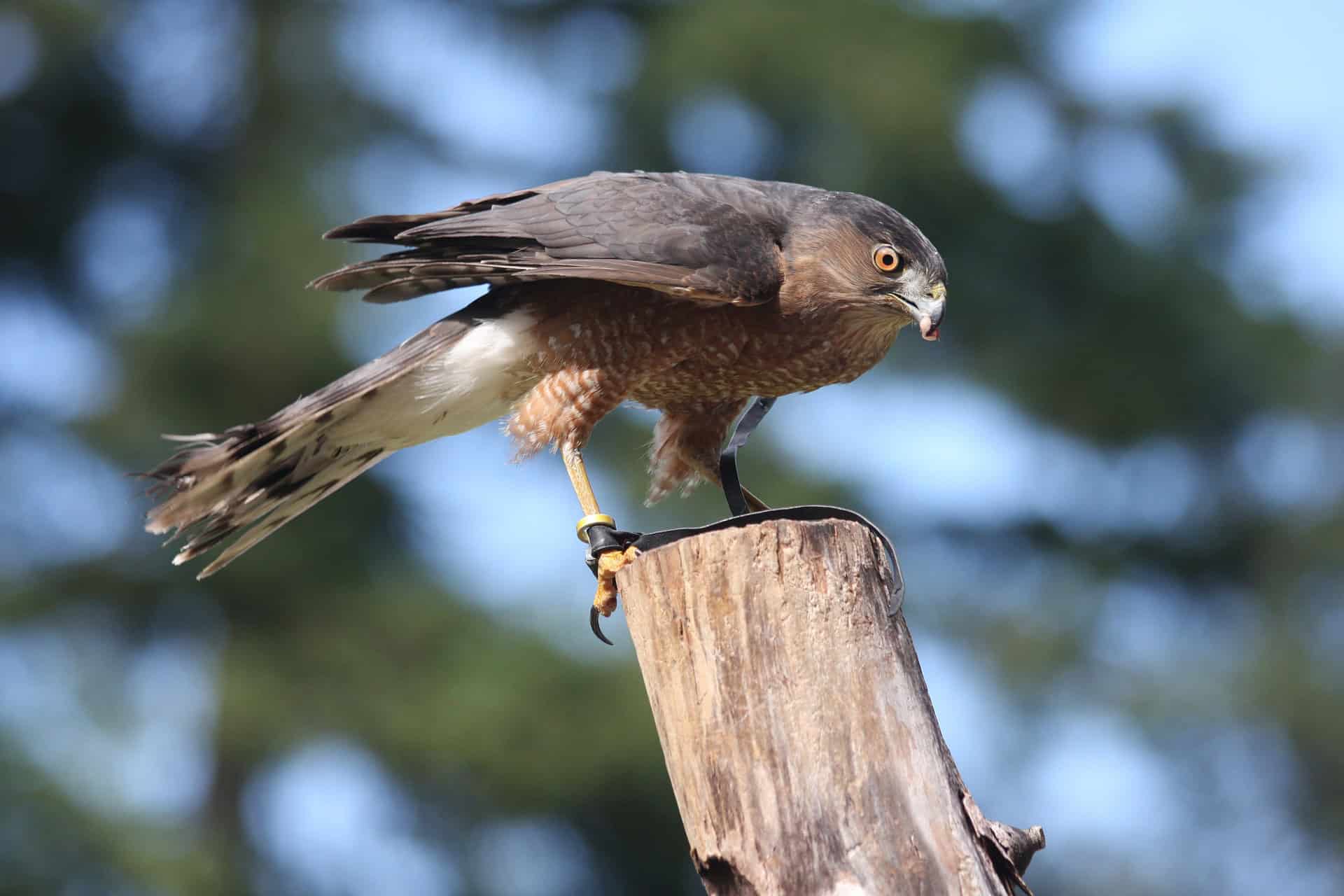
As a falconer, I’ve observed key distinctions between Cooper’s hawks and red-shouldered hawks. Their diet varies significantly, with Cooper’s hawks preying more on birds and red-shouldered hawks favoring small mammals and amphibians. Additionally, red-shouldered hawks tend to have shorter, rounded tails than Cooper’s hawks’ longer, squared-off tails. There are many differences, and I will explain the most important differences below. I will cover all these and more, from their size and physical characteristics to their coloration and hunting techniques.
The difference between Cooper’s hawk and red-shouldered hawk
Diet
As mentioned, Cooper’s hawks primarily hunt small to medium-sized birds such as pigeons, doves, and quail. They are known for their agile flight and ability to weave through trees and bushes while chasing prey. On the other hand, Red-shouldered hawks prefer a diet of small mammals like mice, voles, and rabbits. They often perch in one spot and scan the ground for potential prey before swooping down to catch it. Both hawks have keen eyesight that allows them to spot prey from great distances.
Lifespan and health
Both the Cooper’s hawk and the red-shouldered hawk exhibit notable differences in lifespan and overall health when kept in falconry. In captivity, the red-shouldered hawk generally enjoys a longer lifespan, living up to 20 years, whereas the Cooper’s hawk typically lives around 15 years. Both species face health concerns related to diet, exercise, and stress from captivity, but with proper care, these issues can be managed.
In falconry, providing an enriched environment that mimics their natural habitat as closely as possible is crucial to ensuring their physical and psychological well-being.
Size and Shape
Comparing the size and shape of the Cooper’s hawk and the red-shouldered hawk reveals distinct physical characteristics that differentiate these two raptors. The Cooper’s hawk typically has a wingspan of around 27-36 inches (68-91 cm), slightly larger than the red-shouldered hawk’s wingspan of 37-40 inches (94-102 cm). In terms of body size, Cooper’s hawks are generally smaller and sleeker compared to the red-shouldered hawk, which has a more robust build.
Feather coloration is another notable difference between the two species. While both hawks display reddish hues on their shoulders, the red-shouldered hawk features a more vibrant reddish-orange coloration, whereas the Cooper’s hawk exhibits a muted, rusty red. The Cooper’s hawk also possesses a sharp, hooked beak ideal for tearing into prey, contrasting with the red-shouldered hawk’s slightly more slender beak.
Tail Shape and Length
The tail shape and length serve as key distinguishing features between the Cooper’s hawk and the red-shouldered hawk, reflecting their unique hunting and flying behaviors. Cooper’s hawks typically have longer tails compared to red-shouldered hawks. The tail of a Cooper’s hawk is rounded at the tip, aiding in quick maneuverability during high-speed pursuits of prey. In contrast, the red-shouldered hawk boasts a slightly shorter tail, which helps with precision and control when navigating densely forested areas in search of prey.
Flight Pattern
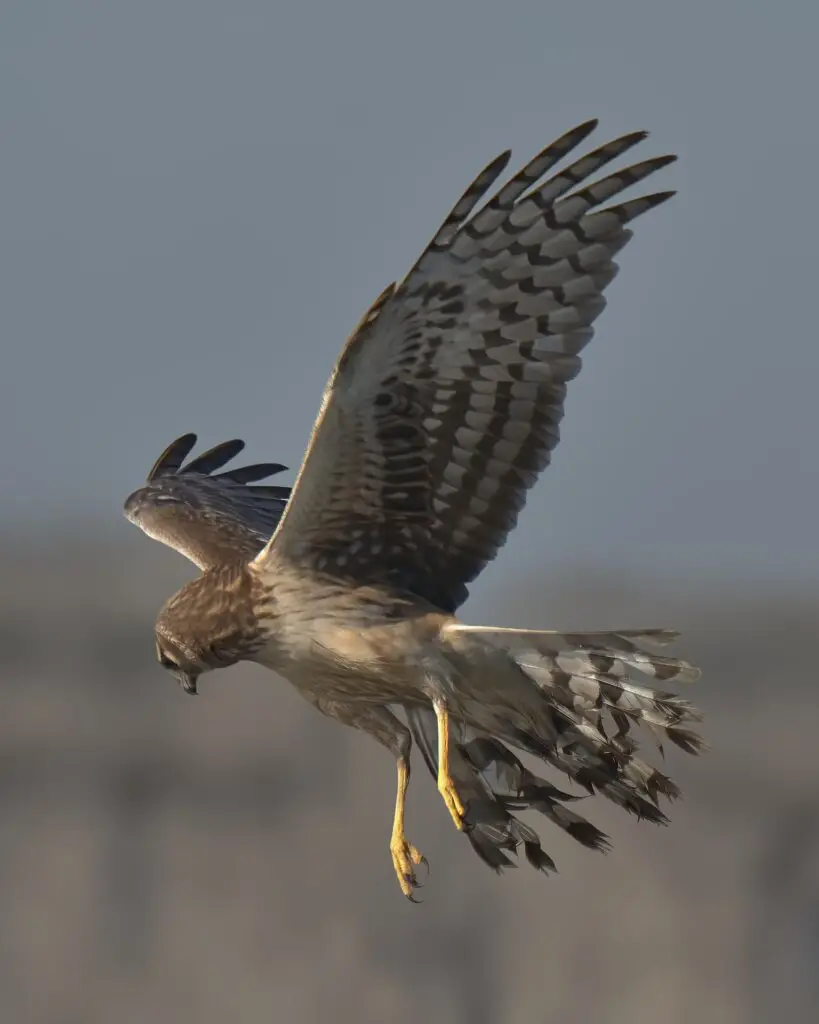
In flight, the Cooper’s and red-shouldered hawks exhibit distinct patterns that reflect their unique hunting strategies and environmental adaptations. The Cooper’s hawk, with a larger wingspan compared to the red-shouldered hawk, displays swift and powerful flight suited for its agile hunting style of capturing prey on the wing. Its rapid wing beats and sharp turns allow it to navigate dense forests and surprise its prey with sudden attacks. In contrast, the red-shouldered hawk, with slightly shorter wings but a broader tail, showcases a more buoyant flight pattern. This flight style complements its hunting strategy of perching and scanning for prey in wooded areas before swooping down to capture it. The red-shouldered hawk’s territorial behavior and vocalizations during flight play a key role in defending its nesting habits, often marked by its distinctive calls echoing through the forest canopy, while the Cooper’s hawk’s flight is more focused on the swift pursuit of prey.
Head and Neck Features
With their distinct head and neck features, the Cooper’s and red-shouldered hawk can be easily differentiated. The feather patterns on the head of Cooper’s hawk are generally darker and denser compared to the red-shouldered hawk, which displays a mix of reddish-brown and white on its head. The beak shape is another key difference; Cooper’s hawks have a sharp, hooked beak ideal for tearing into prey, while red-shouldered hawks possess a more slender beak suited for catching smaller prey like rodents and amphibians.
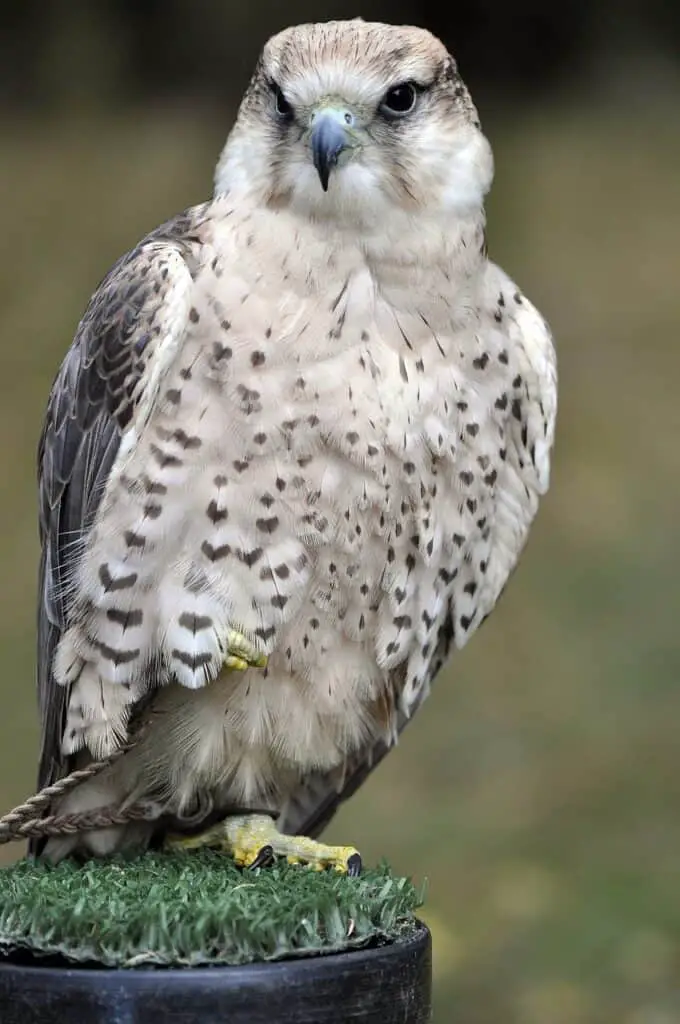
When it comes to eye color, red-shouldered hawks typically have bright yellow eyes, contrasting with the deep red eyes of Cooper’s hawks. Additionally, red-shouldered hawks have a noticeable crest on their head, whereas Cooper’s hawks lack this feature. Finally, the neck length of a red-shouldered hawk is relatively longer compared to the compact neck of Cooper’s hawk, giving each bird a unique silhouette when observed closely.
Legs and Feet
Examining the legs and feet of the Cooper’s hawk and the red-shouldered hawk reveals distinct characteristics that aid in their identification. The Cooper’s hawk boasts powerful talons designed for gripping and puncturing prey efficiently. These talons exhibit exceptional strength, enabling the hawk to capture agile birds mid-flight. In contrast, the red-shouldered hawk has slightly larger feet than the Cooper’s. This difference in foot size correlates with their hunting strategies; the red-shouldered hawk primarily hunts small mammals and amphibians, requiring a broader grip surface for stability during the hunt.
Moreover, the Cooper’s hawk’s grip power is remarkable, allowing it to swiftly catch prey and maintain a firm hold. This strength is crucial for its hunting technique, which often involves surprising prey with quick strikes. Toe length also sets these two species apart, with the red-shouldered hawk showcasing longer toes adapted for perching and maneuvering through dense vegetation during the hunt. Understanding these subtle differences in leg and foot anatomy enhances the ability to distinguish between these two magnificent raptors in their natural habitats.
Coloration and Markings
One notable distinction lies in their tail patterns when differentiating between the Cooper’s hawk and the red-shouldered hawk based on coloration and markings. The red-shouldered hawk displays a banded tail with alternate bands of black and white, creating a striking contrast. In contrast, the Cooper’s hawk showcases a more uniform, narrow-banded tail, with thin white bands on a dark background.
Moving up to the wings, the red-shouldered hawk boasts a reddish-brown hue with distinctive black and white feather patterns. Conversely, the Cooper’s hawk exhibits bluish-gray wings with dark bands running along the length of the feathers. These differences in wing coloration can be key identifiers when observing these hawks in flight.
Eye markings are another area of divergence between the two species. The red-shouldered hawk sports a bold white eyebrow stripe above its eyes, while the Cooper’s hawk features a dark cap that extends down to its eyes, giving it a more intense appearance.
As we look at the belly band, the red-shouldered hawk displays a broad reddish-brown band across its white underparts, while the Cooper’s hawk showcases a thinner, more faintly marked belly band.
Hunting techniques
In comparing the hunting techniques of the Cooper’s hawk and the red-shouldered hawk, a distinct variance is observed in their predatory behaviors and hunting strategies. Cooper’s hawks are agile hunters known for their stealthy swooping and quick strikes. With sharp talons and exceptional speed, they can swiftly capture prey on the move. These hawks often utilize camouflaged perches, strategically waiting for the perfect moment to launch their attack.
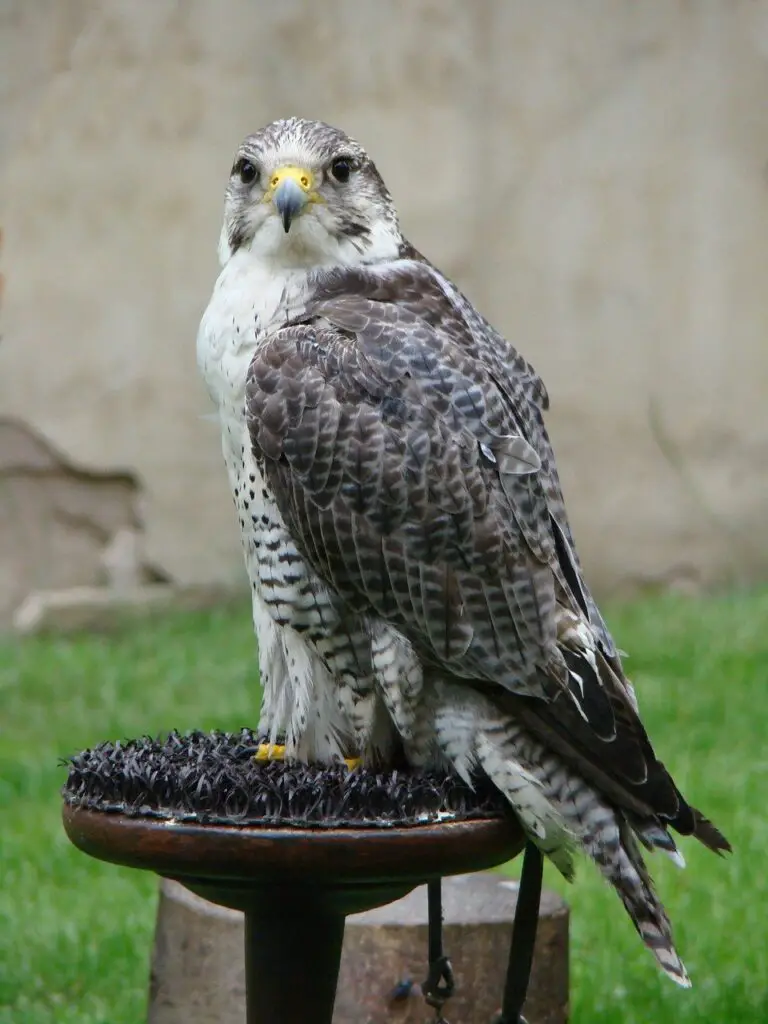
On the other hand, red-shouldered hawks rely on their sharp vision and precise attacks to secure their meals. They are silent stalkers, patiently observing their surroundings before making a calculated move towards their target. Their hunting style is marked by efficiency, as they aim for swift and effective kills.
While both species exhibit remarkable hunting skills, the Cooper’s hawk excels in rapid aerial pursuits, while the red-shouldered hawk demonstrates a more calculated and strategic approach to hunting on the ground.
Do falconers prefer Cooper’s Hawk or red-shouldered hawk?
As an experienced falconer, I have found that many prefer the agility and hunting prowess of the Cooper’s Hawk over the Red-Shouldered Hawk. The Cooper’s Hawk, known for its speed and precision in hunting, is favored by falconers who appreciate a more active and aggressive hunting style. While the Red-Shouldered Hawk has its own strengths, such as its keen intelligence and adaptability, the Cooper’s Hawk tends to be the preferred choice for those seeking a dynamic hunting companion.
| Aspect | Cooper’s Hawk | Red-Shouldered Hawk |
| Training methods, equipment | Requires consistent training | Responsive to positive training |
| Housing requirements, handling | Needs spacious mews | Comfortable in smaller spaces |
| Bonding process, hunting success | Forms strong bonds with falconer | Builds trust over time |
| Behavioral differences, temperament | Bold and assertive | Cautious and observant |
| Falconry regulations, rehabilitation efforts | Regulated hunting | Protected species |
Falconers often appreciate the challenge and reward that comes with training and hunting with a Cooper’s Hawk, making it a popular choice within the falconry community.
Are Cooper’s Hawk or red-shouldered Hawk better for beginners?
For beginners in falconry, the Red-Shouldered Hawk may be a more suitable choice due to its adaptability and responsiveness to training methods. When starting out, it’s essential to consider the training methods required for each species. Red-shouldered hawks tend to be more forgiving and adaptable to various training techniques, making them a better option for beginners still honing their skills.
In terms of equipment needed, both Cooper’s Hawks and Red-Shouldered Hawks require similar gear such as jesses, anklets, and suitable mews. However, the Red-Shouldered Hawk’s temperament may make it easier to handle during training sessions and while using the necessary equipment.
The time commitment for both species is substantial, but bonding with a Red-Shouldered Hawk might feel smoother for beginners due to its more responsive nature. Additionally, when considering licensing requirements, some regions may have different regulations for each species, so it’s crucial to research and comply with local laws before embarking on falconry with either bird.
In conclusion, both the Cooper’s hawk and the red-shouldered hawk have unique characteristics that make them attractive to falconers. While the Cooper’s hawk may be preferred for its agility and hunting skills, the red-shouldered hawk’s intelligence and adaptability also make it a great choice for beginners. Ultimately, the decision between the two comes down to personal preference and the specific needs of the falconer.