
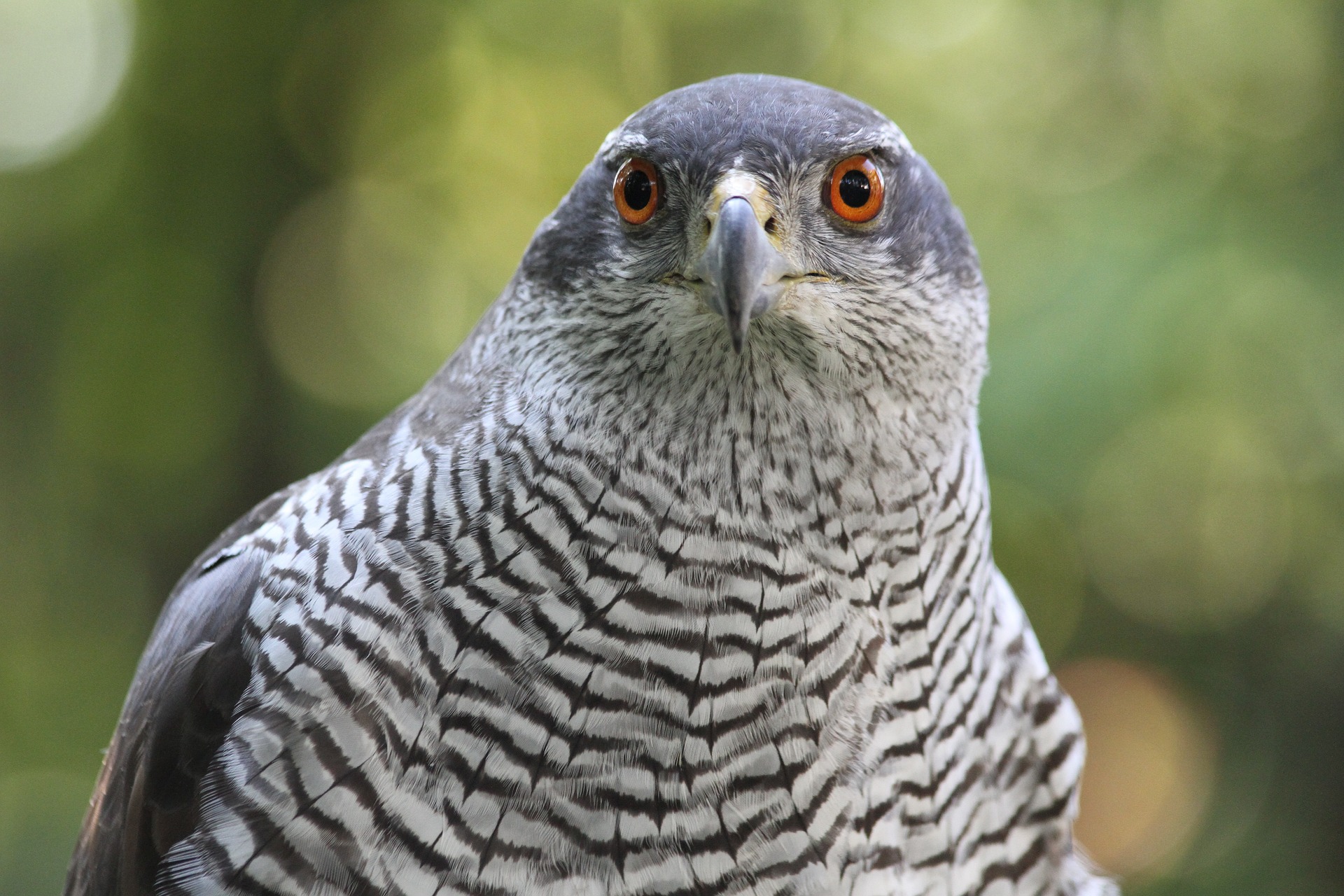
As a falconer, I’ve learned that caring for hawks is no easy task. These birds of prey are susceptible to various diseases and ailments, just like any other animal. But what exactly are the common diseases that affect hawks in falconry? In this article, we’ll explore some of the most common illnesses that can impact your hawk.
Avian Influenza
Avian influenza, which is also referred to as bird flu, is a very contagious viral disease that affects hawks. As a falconer, it’s crucial to be aware of this disease and take necessary precautions to protect our feathered companions. Avian influenza known to be caused by the influenza A virus and can be transmitted through direct contact with other birds that are infected or contaminated surfaces. This means that hawks can contract the disease from other infected birds they come into contact with during hunting or training sessions.

The symptoms of avian influenza in hawks can vary but commonly include respiratory distress, decreased appetite, lethargy, and sudden death. If you notice any of these signs in your hawk, it’s vital to seek immediate veterinary attention. Early diagnosis and treatment are vitalto increase the chances of a successful recovery.
To prevent the spread of avian influenza, it’s essential to practice good biosecurity measures. This includes regularly cleaning and disinfecting equipment, limiting contact with other birds, and avoiding hunting in areas where the disease is known to be present. It’s also advisable to vaccinate your hawk against avian influenza, as this can provide an additional layer of protection.
Aspergillosis
Aspergillosis is caused by a fungus called Aspergillus, which is commonly found in the environment. Hawks can become infected with this fungus through inhalation of spores or by coming into contact with contaminated materials.
Aspergillosis primarily affects the respiratory system of hawks. When the spores are inhaled, they can settle in the lungs and air sacs, leading to inflammation and the formation of nodules. This can result in difficulty breathing, coughing, and lethargy. In severe cases, the illness can spread to other organs, such as the liver and kidneys, causing further complications.
It is crucial for falconers to be vigilant in preventing and managing aspergillosis in their hawks. Maintaining clean and dry housing conditions is essential, as the fungus thrives in damp environments. Regular cleaning and disinfection of equipment and perches can help minimize the risk of exposure.
Trichomoniasis
Trichomoniasis, a parasitic disease caused by the protozoan Trichomonas gallinae, commonly affects birds of prey. It’s a highly contagious infection that primarily affects the upper digestive tract, including the mouth, throat, and crop. Trichomoniasis can lead to severe consequences if left untreated, including weight loss, difficulty swallowing, and even death.
The transmission of Trichomonas gallinae occurs through direct contact with infected birds or contaminated food and water sources. Hawks in falconry are particularly susceptible to this disease due to their predatory nature and close contact with other birds during hunting.

Symptoms of trichomoniasis in hawks may include regurgitation, excessive drooling, and weakness. A definitive diagnosis can be made through laboratory testing, such as microscopic examination of oral swabs or crop washes.
Preventing the spread of trichomoniasis in hawks is crucial. This can be achieved by practising good hygiene, ensuring clean and sanitized equipment, and avoiding contact with infected birds or contaminated food sources.
West Nile Virus
West Nile Virus poses a significant threat to the health of hawks due to its potential for severe neurological symptoms and mortality. It is a viral infection primarily transmitted through mosquito bites. As a falconer, it is crucial to be aware of the signs and symptoms of West Nile Virus in order to provide timely intervention and prevent further complications.
Signs of West Nile Virus in Birds:
- Loss of coordination and balance
- Emaciation
- Weakness
- Tremors
- Depression and lethargy
Hawks infected with West Nile Virus may also experience difficulty in flying or hunting, making it challenging for them to survive in the wild.
Preventing West Nile Virus in falconry birds involves eliminating mosquito breeding grounds and using mosquito repellents. Removing stagnant water sources, such as puddles or containers, can significantly reduce the mosquito population. Additionally, providing proper housing and ventilation for the birds can minimize their exposure to mosquitoes.
Bumblefoot
Bumblefoot, also known as pododermatitis, is a common foot infection in captive birds of prey. It’s a condition that affects the feet of hawks used in falconry, and if left untreated, it can lead to serious complications. Bumblefoot is caused by a bacterial infection that enters the bird’s foot through small cuts or abrasions. It primarily affects the pads of the feet, causing swelling, redness, and the formation of hard, painful abscesses.
It’s crucial to be vigilant and proactive in preventing and treating bumblefoot. Regular foot inspections, proper hygiene, and maintaining clean and dry perches are essential steps to reduce the risk of infection. If bumblefoot is suspected, it’s important to consult a veterinarian who specializes in avian medicine. They’ll be able to provide a proper diagnosis and recommend the appropriate treatment, that may include antibiotics, wound care, and, in severe cases, surgical intervention.
In conclusion, as a falconer, it’s essential to be aware of the various diseases that can affect hawks and take necessary measures to prevent and manage them. Regular veterinary check-ups, proper hygiene practices, and a healthy diet can go a long way in keeping your hawk healthy and free from illness.
Frequently Asked Questions
How Can Hawks in Falconry Be Protected From Avian Influenza?
- To protect hawks in falconry from avian influenza, it’s important to follow proper biosecurity measures. This includes limiting contact with wild birds, regularly disinfecting equipment, and monitoring for any signs of illness.
Are There Any Preventive Measures to Avoid Aspergillosis in Hawks?
- There are preventive measures to avoid aspergillosis in hawks. It’s important to provide clean and dry housing, avoid damp bedding, and maintain proper ventilation. Regular veterinary check-ups and a healthy diet can also help prevent this disease.
What Are the Common Symptoms of Trichomoniasis in Falconry Hawks?
- The common symptoms of trichomoniasis in falconry hawks include weight loss, regurgitation, and difficulty swallowing.