
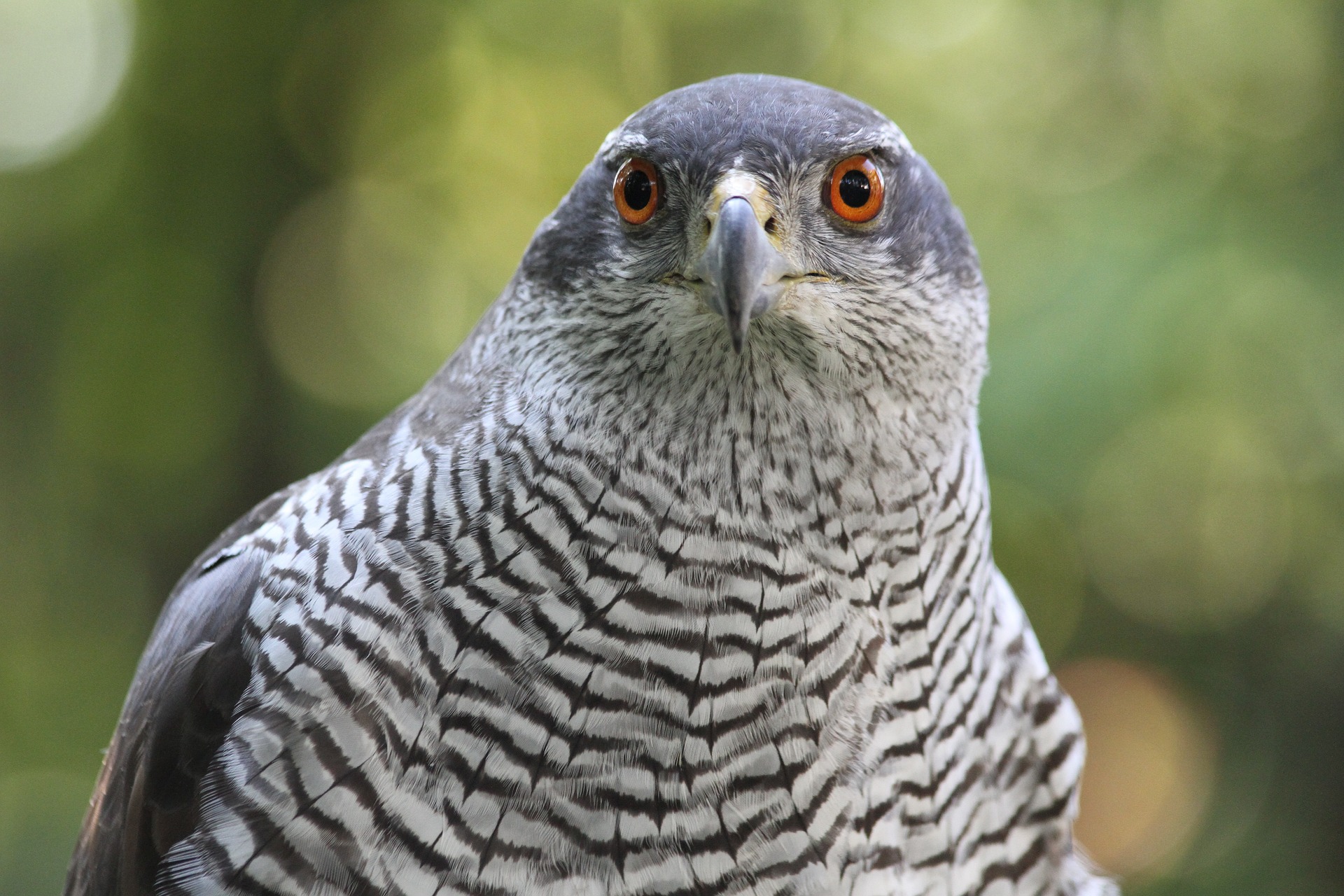
Suppose you’ve recently acquired a hawk or are interested in becoming a falconer. In that case, one of the most important things to consider is what to feed your bird. Hawks have specialized diets that require careful planning and preparation. Allow me to share some insights on what I feed my hawks.
List of what to feed a hawk
- Rats – Rats are rich in calories and contain a balance of vitamins, including calcium and phosphorus, which are vital for bone health as well as muscle function.
- Mice – Mice are another staple food for hawks. They’re rich in protein and provide the necessary vitamins and minerals for the hawk’s overall health and well-being.
- Chicks – When feeding chicks to a hawk, it is important to ensure that they are fresh and of high quality.
- Quail – Quail is the perfect size for a hawk’s consumption, providing a substantial meal without overwhelming their digestive system.
- Small birds – When considering what to feed a hawk, it’s crucial to include small birds such as sparrows, finches, and thrushes, as they contain high levels of protein and amino acids. They also provide a natural source of hydration due to their high water content.
- Voles – Voles are found in a range of habitats, including grasslands, woodlands, and wetlands. They’re active year-round and reproduce rapidly, making them an abundant food source.
- Insects – Hawks have a diverse palate when it comes to insects, consuming a variety of species to meet their dietary needs. They can be fed insects such as crickets, mealworms, waxworms and grasshoppers.
- Pheasants – Pheasants are a great source of protein and can be fed to hawks both in captivity and in the wild. When feeding pheasants to hawks, it’s important to ensure that they’re fresh and free from any harmful substances.
- Reptiles – In the wild, hawks will prey on reptiles such as snakes and lizards. These provide a good source of protein and are important in maintaining a balanced diet for hawks.
- Squirrels – Squirrels are a popular prey for hawks, providing a important source of protein and essential fatty acids.
- Rabbits – These herbivorous mammals provide hawks with a rich source of protein and other nutrients necessary for their growth, development, and overall health.

Do falconers feed their birds live prey or defrosted frozen food?
Falconers typically feed their birds of prey with live prey, such as mice or rats, to ensure that the hawks maintain their natural hunting instincts and remain physically fit. However, there are certain situations where falconers may opt to feed their birds frozen thawed food.
Here are four reasons why I sometimes feed my hawks frozen thawed food:
- Convenience: Frozen thawed food can be more readily available and easier to store compared to live prey. This can be particularly useful when live prey is scarce or during periods when the falconer is unable to procure live prey.
- Safety: Frozen thawed food reduces the risk of injury to the bird during the feeding process. Live prey can sometimes fight back, leading to potential harm to the hawk, such as scratches or bites.
- Disease prevention: Frozen thawed food undergoes proper handling and storage procedures, reducing the risk of transmitting diseases or parasites to the bird. This is especially important for maintaining the health and longevity of the hawk.
- Training purposes: I use frozen thawed food during training sessions. I will give my bird a piece of meat (treat) as a reward for following commands during training.
While live prey is typically the preferred choice for feeding birds of prey, frozen, thawed food can provide practical alternatives in certain situations. It’s important for falconers to carefully consider the specific needs and circumstances of their birds when making feeding decisions.
How often should falconers feed their hawks?
Hawks should be fed daily to ensure they receive the necessary amount of nutrition for their growth and maintenance. As falconers, it’s our responsibility to provide our hawks with a balanced diet that meets their nutritional needs. Feeding them regularly not only ensures their physical well-being but also helps to maintain their hunting skills and overall performance.
My daily feeding regimen for my hawks includes a variety of foods to make sure they receive all the essential nutrients. I also monitor their weight and adjust their feeding accordingly, especially during the moulting season when they require more protein for feather growth.
The amount of food given to hawks depends on their age, size, and level of activity. Younger birds and those in training may require more frequent feedings, while mature and experienced hawks can be fed once a day.

Do Hawks require any additional supplements?
Additional supplements aren’t typically required for hawks after they’ve been fed a balanced diet, as most of what they require should come from their food. Hawks have evolved to obtain all the necessary nutrients from their natural diet. However, in certain circumstances, supplements may be recommended to ensure optimal health and performance.
Older or pregnant hawks may be given supplements to support their immune system and overall health. Additionally, birds that are recovering from illness or injury may benefit from additional vitamins and minerals to aid in their recovery.
It’s important to consult with an avian veterinarian or specialist before adding any supplements to your hawk’s diet. Improper use of supplements can do more harm than good.
So, when deciding what to feed your hawk, it’s crucial to consider their natural diet and nutritional needs. Whether it be fresh meat, live prey, or frozen thawed food, a balanced and varied diet will help keep your hawk healthy and thriving for years to come.
Frequently Asked Questions
What Is the Ideal Diet for a Hawk in Captivity?
- The ideal diet for a hawk typically consists of a mix of fresh meat, such as quail or rabbit, supplemented with vitamins and minerals to ensure optimal health.
Can Falconers Feed Their Hawks Commercially Available Bird Food?
- Falconers typically do not feed their hawks commercially available bird food. Commercially available bird food, such as pellets or seeds designed for pet birds like parrots or finches, is not typically suitable for hawks.
How Do Falconers Ensure That Their Hawks Receive a Balanced Diet?
- By offering a variety of prey and fresh meat, monitoring their weight, and seeking advice from Avian specialists when necessary.