
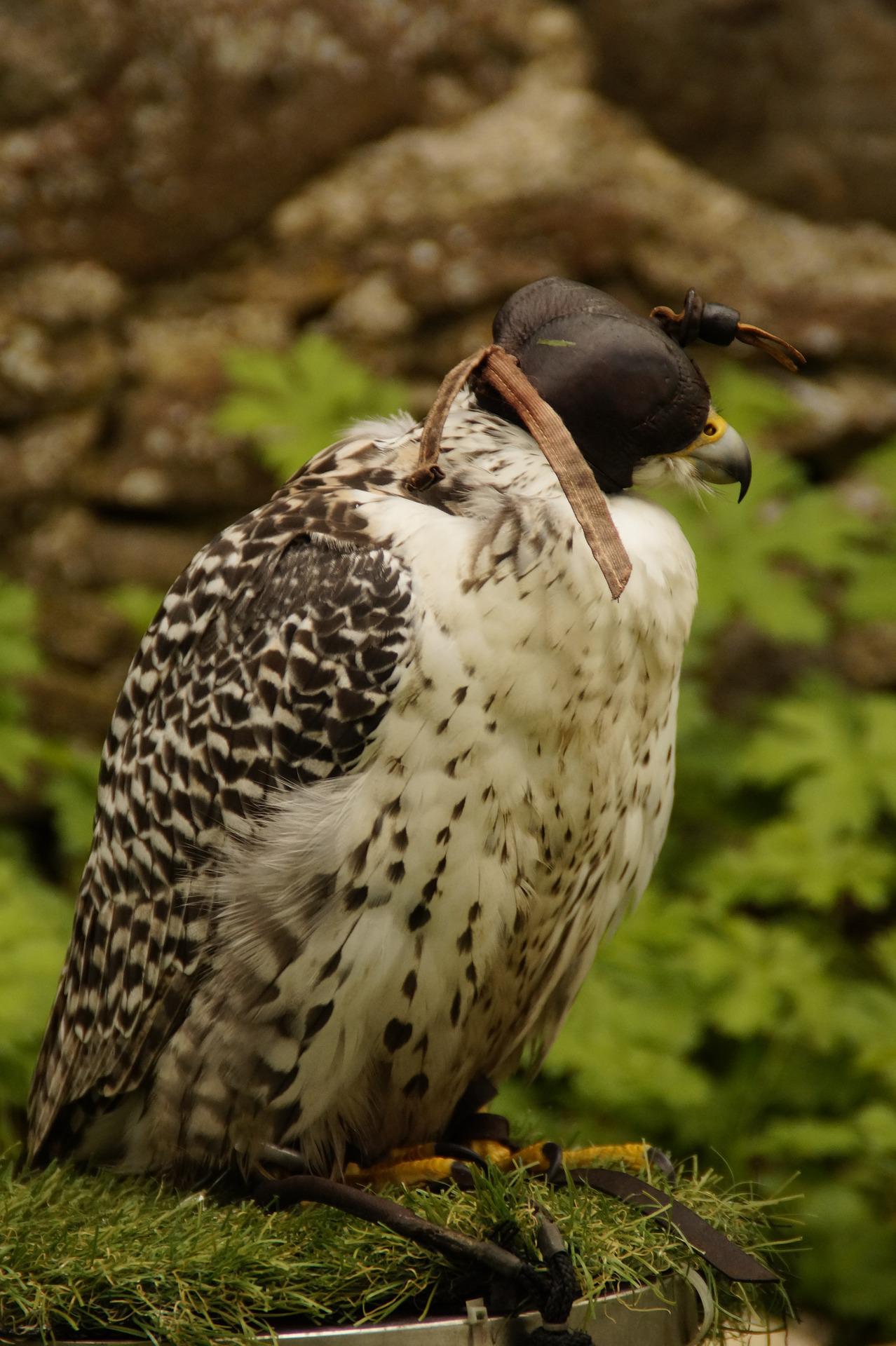
As a wildlife biologist, I’m often asked about the hunting habits of hawks. These majestic birds of prey are known for their stunning aerial manoeuvres and sharp talons, but what exactly do they hunt? The answer may surprise you.
Here’s a list of some common prey items hunted by hawks:
- Small birds
- Insects
- Rodents
- Larger birds
- Small mammals
- Reptiles
- Rabbits
- Squirrels
- Fish (in the case of fish hawks/ospreys)
- Other medium-sized mammals
Hawks have adapted to live in a variety of environments, from dense forests to open grasslands. Their diet reflects this versatility, as they will eat anything from small rodents and insects to larger mammals like rabbits or even other birds. Understanding what hawks hunt can give us insight into how these creatures survive and thrive in the wild and perhaps inspire us to appreciate our own freedom in nature.

Small Birds
Hawks are skilled at hunting various small bird species like sparrows, finches, warblers, and thrushes due to their impressive speed and agility while flying. They can reach speeds of over 120 miles per hour, making it extremely difficult for their prey to flee.
Insects
Insects provide an important source of nutrition for hawks, especially during times when larger prey is scarce. In fact, some species of hawks rely heavily on insects as part of their diet throughout the year. These include Cooper’s hawks and Sharp-shinned hawks, which can often be seen hunting dragonflies or moths around wetlands or forest edges.
Rodents
Hawks frequently prey on rodents like mice and voles, constituting a significant part of their diet. Hawks rely on their sharp eyesight to detect movement on the ground during rodent hunting. They attack from above with great speed and accuracy, seizing their prey with their sharp talons. This is truly an awe-inspiring sight.
To help you imagine this scene more vividly, picture yourself standing in a field on a warm summer day. You hear rustling in the grass nearby and suddenly see a hawk soaring high above you. Its wingspan stretches out wide as it dives towards the earth at breakneck speed. Within seconds, it grabs hold of its unsuspecting prey before taking off once again into the sky.
Larger Birds
Hawks use different techniques to capture different prey. For rodents like mice and voles, they use their sharp talons and beaks. For larger birds such as songbirds, doves, and pigeons, they rely on patience and stealth. Hawks wait for hours in ambush positions until they have the perfect opportunity to strike. When they do attack, they use all their strength to take down their prey.
Small Mammals
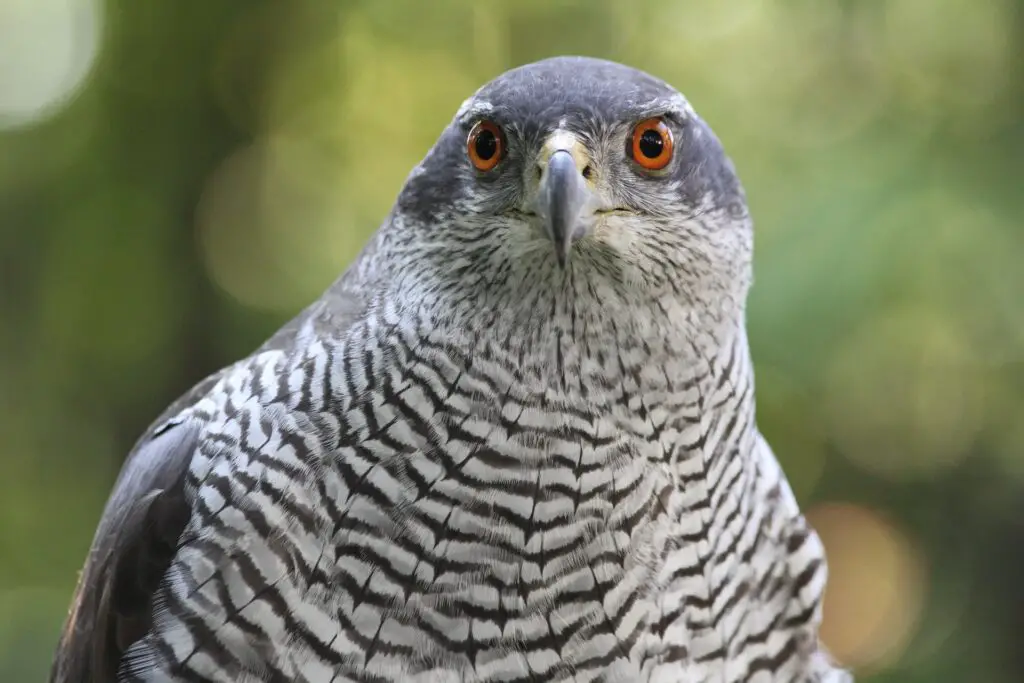
One of the common hunting targets for hawks is small mammals. Small mammals make up a significant portion of the hawk’s diet. These include rodents like mice, voles, and shrews. Hawks are particularly adept at catching these fast-moving creatures due to their agility and speed. They can spot their prey from high above and swoop down with incredible accuracy to grab them.
Apart from rodents, hawks also target other small animals, such as rabbits, squirrels, and chipmunks. These creatures may seem harmless, but they provide an essential source of food for the hawk population. The ability to catch these quick-footed animals requires skill and precision on the part of the hawk.
Reptiles
Reptiles may not be everyone’s favourite type of animal, but they are a valuable part of the food chain, as predators like hawks rely on them for sustenance. Hawks are known for being fierce hunters, soaring high above the ground in search of prey. And while they primarily hunt small mammals like rodents and rabbits, they also have a taste for reptiles. Snakes and lizards are often on the menu for these birds of prey, as they provide a good source of protein and nutrients.
Rabbits
When it comes to what hawks hunt, rabbits are a common target. Hawks have a hunting technique where they fly down from above and snatch rabbits and other small mammals like squirrels and rodents, using their talons and strong legs to carry them up into the sky.
Squirrels
Squirrels are quick and skilled at climbing trees and moving through branches, but they can still be caught by hungry hawks. Hawks use their impressive speed and agility to descend rapidly and catch squirrels by surprise, seizing them in mid-air before they can get away.
Interestingly enough, hawks don’t always go after adult squirrels. Juvenile squirrels make for easy prey since they lack experience and often venture away from their nests without much caution. As such, hawks tend to target younger squirrels during breeding season when there’s an abundance of vulnerable offspring available.
Fish (In The Case Of Fish Hawks/Ospreys)
Ospreys, commonly known as fish hawks, are birds found in different parts of the world. They have a distinctive way of hunting that enables them to catch fish effortlessly.Unlike other predatory birds that hunt on land or in the sky, fish hawks tend to spend most of their time near water bodies where they can easily locate and capture their prey.
Fish is undoubtedly the primary food source for these magnificent creatures. They mainly feed on different types of fish, such as trout, bass, catfish, and even some marine species like salmon when available. The bird’s sharp talons make it easy for them to grab onto slippery fish while hovering over the water’s surface until they secure their meal.
One interesting fact about fish hawks is that they use their wings to create shade when diving into the water to catch fish. This helps them see through the glare caused by sunlight reflecting off the water’s surface. Once they spot their target fish below, these skilled hunters dive headfirst at lightning speed into the water and grab hold of their prey with razor-sharp talons.
– Did you know? Fish hawks can hover over water surfaces while searching for prey!
– Catching fish requires precision – Ospreys will fly up high before plunging down at speeds exceeding 50 miles per hour.
– Fish Hawks lay eggs around late April or early May
– Young hatchlings take flight after approximately two months from hatching.

## Other Medium-Sized Mammals
I have spent countless hours observing the hunting habits of hawks. Although it may be commonly believed that hawks only hunt for small rodents like mice and voles, they actually prey on a variety of medium-sized mammals.
Hawks frequently hunt rabbits as they are one of their common prey. Using their sharp talons and powerful beaks, they can effortlessly catch rabbits in open fields or wooded areas. Apart from rabbits, hawks also hunt squirrels, which is equally challenging due to their agility and ability to climb trees quickly.
Here are 3 examples of different hawks and their choice of prey:
1. Red-tailed Hawks – These large birds primarily hunt small mammals like mice and voles but won’t turn down an opportunity for a larger meal if presented with one.
2. Cooper’s Hawks – Known for their agility and speed, these hawks prefer smaller birds like jays and doves.
3. Sharp-shinned Hawks – Similar to Cooper’s Hawks in size and appearance, they also go after smaller bird species but specialize in songbirds.
In conclusion, while hawks may vary in the types of animals they choose as prey, there is no denying their impressive skills as hunters. Their ability to adapt and thrive in various environments speaks volumes about the resilience of wildlife – something we should always strive to appreciate and protect.