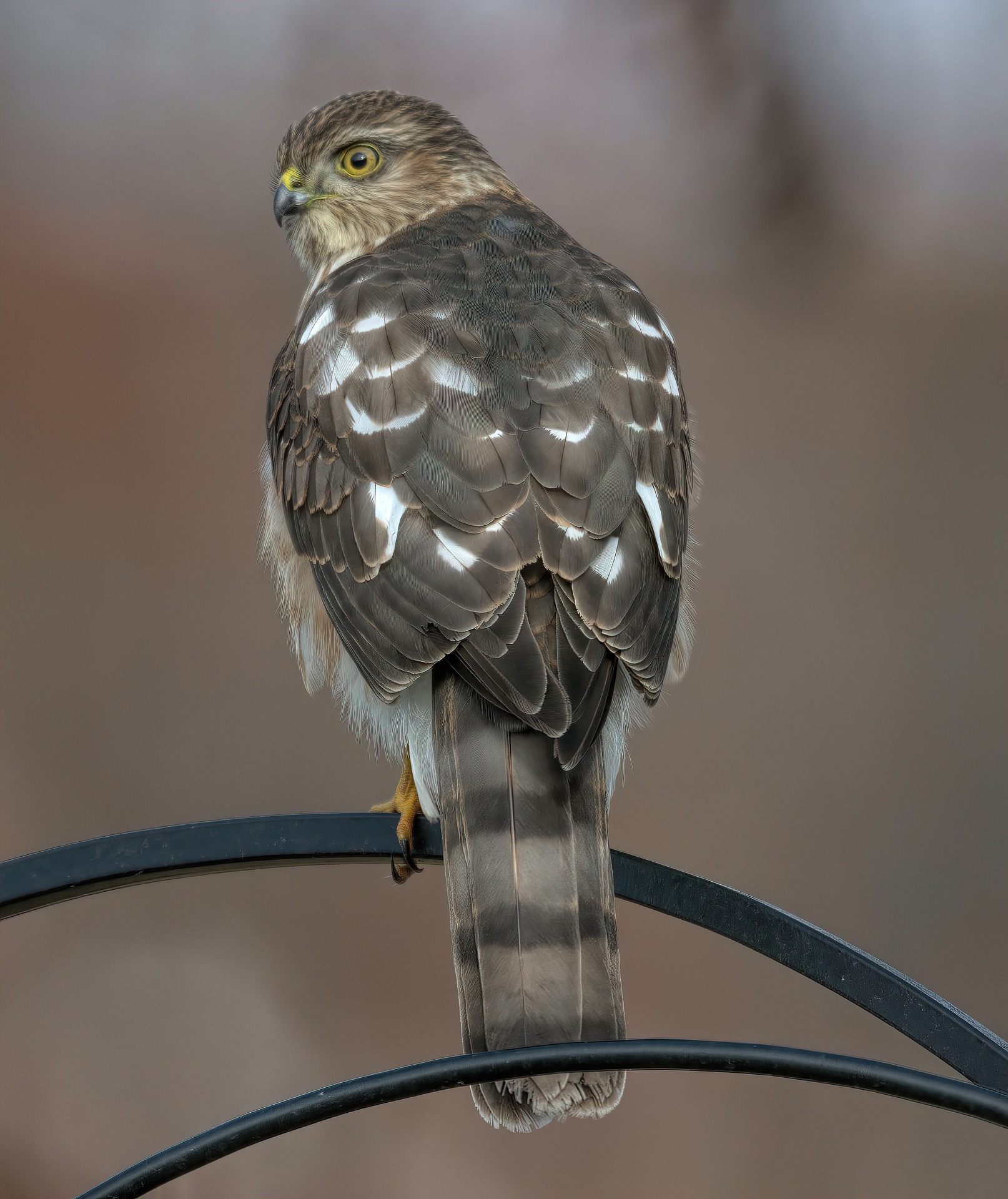
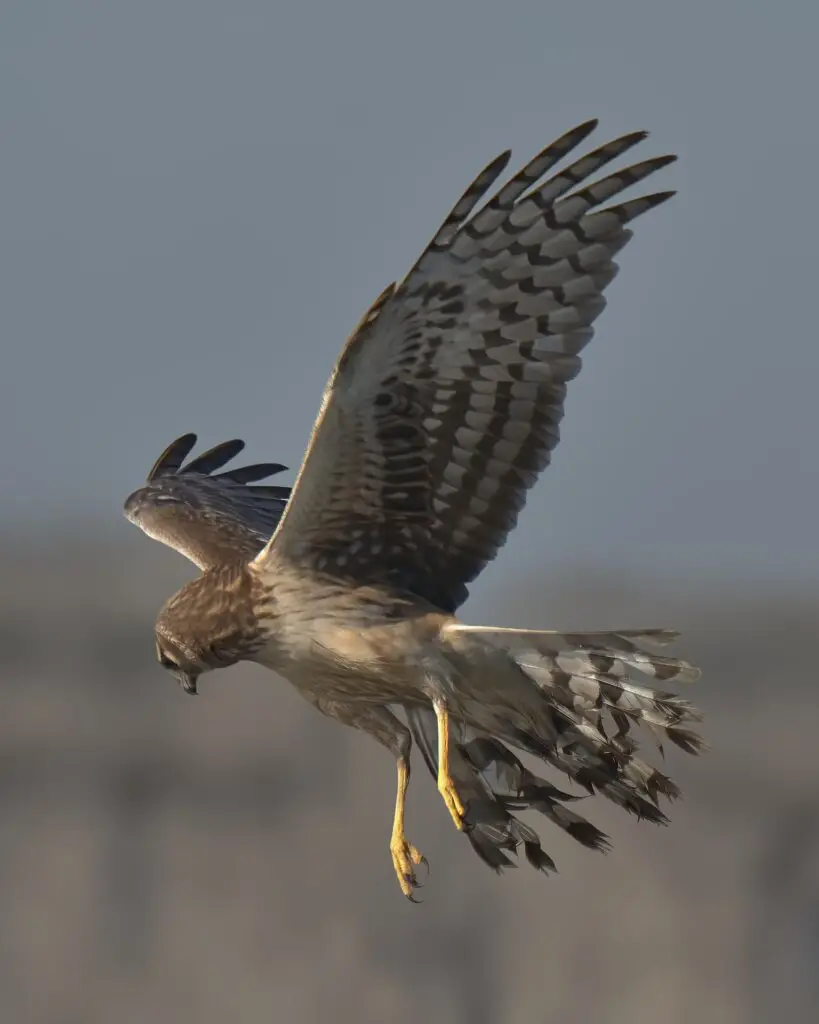
A coppers hawk is a small, stocky raptor that is found in North America. They are reddish brown in colour, with a pale underside and a dark band across their eyes. These hawks are diurnal predators, which means they hunt during the day. So what is it that they hunt and eat, though do they have any special fondness for a certain prey?
The types of things a coppers hawk will eat are small mammals, such as rodents, rabbits, and bats; birds, including chickens, quail, and pigeons; and reptiles, such as snakes and lizards. They have also been known to eat insects and small invertebrates, like grasshoppers and caterpillars. However, Cooper’s hawks are especially fond of larger prey such as doves, crows, ducks, and other waterfowl.
Coppers hawks diet will vary from wild to captive bred. While you may think you know what’s needed, there’s always that bit of information that’s missing, so below I will take a closer look at the diet of Cooper’s Hawk and learn some interesting facts about this fascinating bird!

What is the diet of coopers hawks? Are they omnivores or herbivores?
As members of the Accipitridae family, coopers hawks are raptors or birds of prey. This means they have strong talons and beaks designed to hunt and eat other animals. In the wild, they fend for themselves by eating small mammals like mice, voles, and rabbits. They will also occasionally eat Birds, lizards, and snakes. In captivity, their diet is similar, although they are often given food that has been killed or frozen, such as mice, rats, and quail. Cooper’s hawks are carnivores, not omnivores or herbivores. Therefore, they cannot survive on a diet of plant-based food sources like fruits and vegetables. Whether in the wild or captivity, coopers hawks require a diet high in protein to maintain their energy levels and hunting ability.
Identifying the nutritional needs of the Cooper’s hawk
As its name suggests, Cooper’s hawk is particularly fond of eating rodents like squirrels and mice. However, Cooper’s hawk will still eat other types of prey. In fact, Cooper’s hawk is an opportunistic hunter that will eat whatever type of animal it can catch. This includes birds, lizards, snakes, and even insects. Given the wide range of animals that Cooper’s hawk will eat, it is not surprising that it has a variety of nutritional needs. For example, Cooper’s hawk needs relatively high levels of protein in its diet to support its active lifestyle. In addition, Cooper’s hawk also needs adequate levels of fat and carbohydrates to maintain its energy levels. Therefore, when identifying the nutritional needs of Cooper’s hawk, it is important to consider its entire diet.
Choosing the right food for your Cooper’s hawk
Several options are available to you for feeding your Cooper’s hawk. You can either buy pre-killed prey from a local wildlife rehabilitation centre or online retailer or learn how to properly kill and prepare the prey yourself. If you opt to buy pre-killed prey, be sure to choose an animal that is appropriate for your hawk’s size. Smaller hawks will need quail or mice, while larger hawks can handle rabbits or pigeons. You should also avoid giving your hawk any food that is past its expiration date, as this could make your bird sick. Suppose you decide to kill and prepare the prey yourself. In that case, it is important to do so in a way that minimizes the suffering of the animal. The most humane method is to swiftly and cleanly sever the spinal cord with a sharp knife. Once the prey is dead, you can then proceed to pluck and clean it before giving it to your hawk. Choosing the right food for your Cooper’s hawk can help ensure that your bird remains healthy and well-fed.
What is the best feeding schedule for my Cooper’s hawk, and what are the consequences of inconsistent feeding
Cooper’s hawks are predators that require a diet consisting mostly of meat. They typically hunt small birds and mammals in the wild, although they will also eat reptiles, amphibians, and invertebrates. In captivity, however, they must be provided with a diet that meets their nutritional needs. The best way to do this is to feed them on a regular schedule. Once or twice a day is typically sufficient, although more frequent feedings may be necessary for younger birds. It is important to be consistent with the feeding schedule, as inconsistent feeding can lead to health problems such as obesity or malnutrition.
Would my Cooper’s hawk be able to eat fruits and vegetables?
While many people think of hawks as strictly carnivorous birds, some species enjoy a diet including fruits and vegetables. One example is Cooper’s hawk, a type of hawk that is native to North America. These birds are typically about 18 inches in length and have dark-coloured feathers. Cooper’s hawks are known for their hunting skills and typically eat small mammals like rodents. However, they will also sometimes eat fruits and vegetables, especially if there is a shortage of other food sources. While most of their diet consists of meat, Cooper’s hawks are adaptable birds that are able to take advantage of whatever food is available.
Would my Cooper’s hawk be able to eat human junk food occasionally?
It’s not uncommon for people to wonder if their pets can eat the same foods as they do. After all, we often think of our animals as members of the family, so it stands to reason that they would enjoy the same foods as we do. However, it’s important to remember that our pets have different dietary needs than we do. Just because food is safe for humans doesn’t necessarily mean it’s safe for animals. In fact, some human foods can be dangerous for animals, even in small quantities. So, if you’re wondering whether or not your Cooper’s hawk could eat human junk food on occasion, the answer is no. Junk food is typically high in calories and low in nutrients, which isn’t ideal for any animal, but it can be particularly harmful to birds. Birds need a diet high in protein and fat, and junk food doesn’t offer the nutrients they need to stay healthy. So, while your Cooper’s hawk might enjoy the occasional treat of junk food, it’s not something that should be given on a regular basis.
Cooper’s hawks are part of the raptor family and play an important role in keeping our ecosystem healthy. They feast on small mammals, such as rodents, which helps to keep their population under control. It is important to remember that Cooper’s hawks are protected by law and should never be harmed. So if you see one, enjoy the sight and be sure to leave it alone.