
For thousands of years, people throughout the world have been training birds for hunting—now referred to as falconry. Of the many species of birds trained in this ancient art form, hawks are perhaps the most popular choice. So why is that? What makes these fierce-looking raptors so desirable when it comes to falconry? And what are the most common types used in this sport?
- Red-tailed hawk
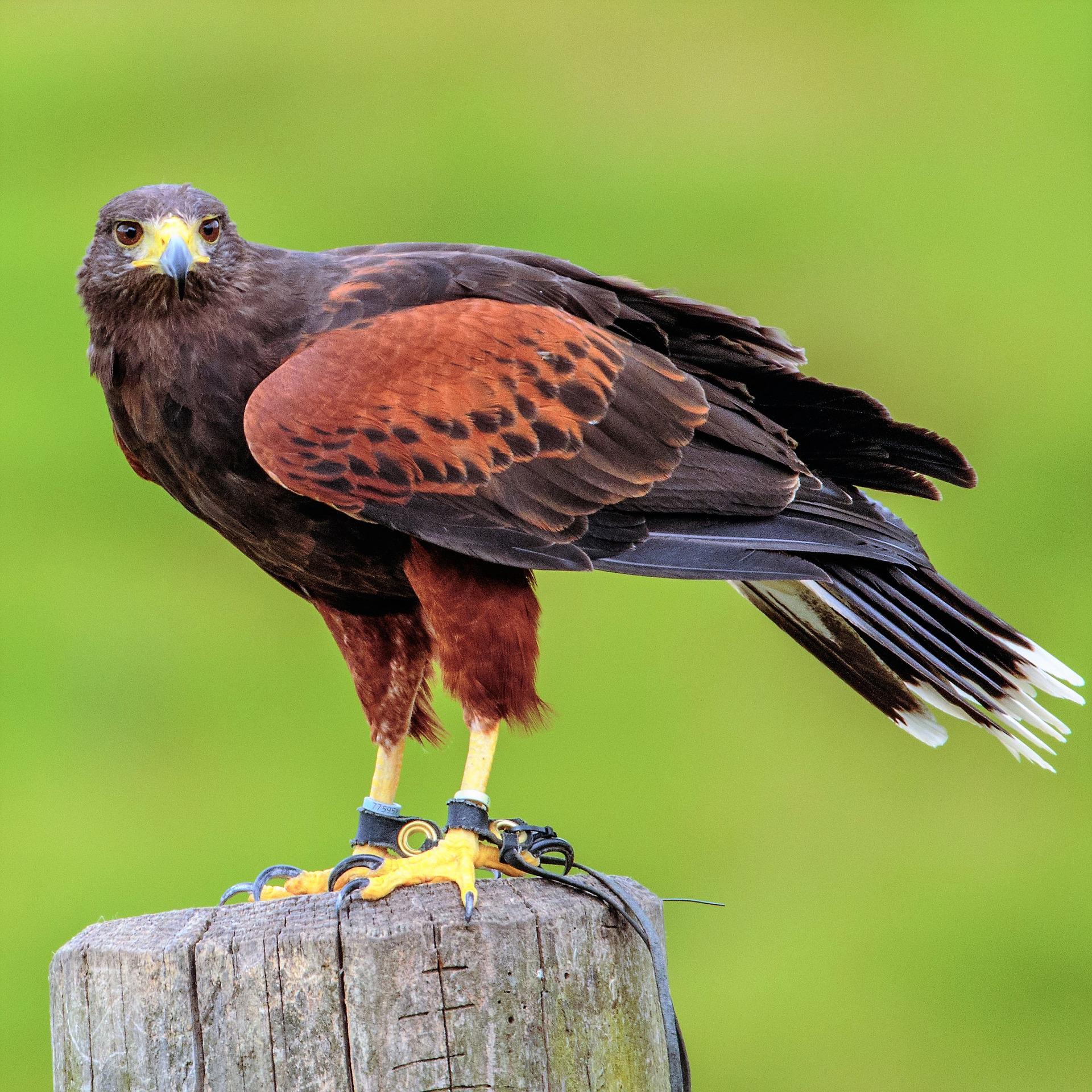
- Harris’s hawk
- Cooper’s hawk
- Goshawk
- Sharp-shinned hawk
- Ferruginous hawk
When it comes to selecting a hawk for falconry, there are several factors that need to be considered. First and foremost, you’ll want to choose a species that is native to your region as they will have acclimated better to the local environment. You need to factor in their temperament, size, and hunting ability. Let’s examine some of the most commonly used hawks in falconry today, considering the wide variety of choices available.
Red-Tailed Hawk
Being a falconer, I can’t help but admire the splendid Red-tailed hawk. This bird of prey is widely preferred in falconry due to its exceptional hunting skills and flexibility. It derives its name from its remarkable reddish tail feathers, which are prominently visible when it is flying high in the sky.
When it comes to training techniques for Red-tailed hawks, patience is key. These birds have a strong independent streak and require gentle coaxing to establish trust with their handler. Once this bond has been established, these birds are incredibly loyal and will follow commands without hesitation. It’s important to note that consistent positive reinforcement is crucial during the training process.
In terms of diet and nutrition, Red-tailed hawks are opportunistic predators who primarily hunt small mammals such as rodents and rabbits. As such, a balanced diet should consist mainly of fresh meat along with additional supplements to ensure proper nutritional needs are met. When it comes to habitat requirements, these birds prefer open areas like grasslands or deserts where they can easily spot prey while perched high atop trees or poles.
With their stunning appearance and incredible hunting skills, it’s no wonder why so many falconers choose the Red-tailed hawk as their go-to bird for hunting expeditions. With proper care and attention, these birds can provide years of companionship and thrilling experiences in the art of falconry.
Harris Hawks
Moving on from the Red-tailed hawk, another popular species used in falconry is Harris’s hawk. This bird of prey has gained popularity among falconers due to its unique breeding habits and successful hunting techniques.
Harris’s hawks are known for their cooperative breeding practices, which means that multiple birds will work together to raise a single brood of chicks. This social structure makes them easier to manage in captivity and more adaptable to human interaction during training. For this reason, they have become a favourite among falconry enthusiasts.
When it comes to training, Harris’s hawks respond well to positive reinforcement methods such as food rewards or praise. They also require regular exercise and stimulation through flight training exercises. With proper care and attention, these birds can become highly skilled hunters with impressive success rates in catching prey.
In terms of conservation efforts, Harris’s hawks have been listed as a species of least concern by the International Union for Conservation of Nature (IUCN). However, habitat loss and human interference still pose threats to their populations in some areas.
Cooper’s Hawk
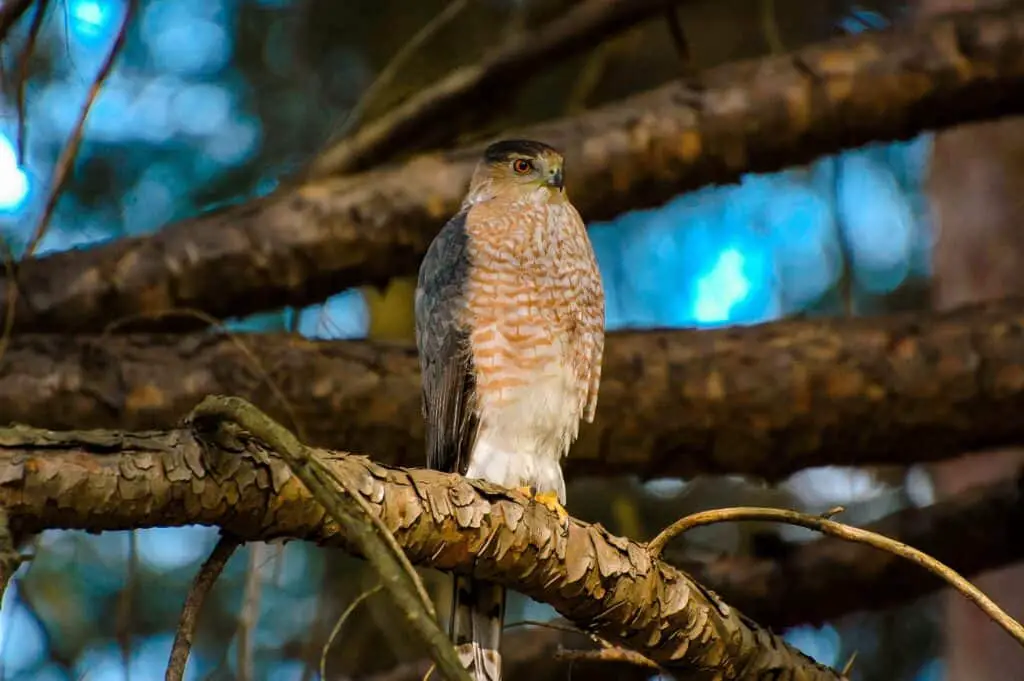
Having had years of experience, I can attest to the fact that Cooper’s Hawks are quite stunning and mighty creatures. They are sought after by hunters due to their exceptional swiftness and agility when hunting prey. Moreover, with their sleek feathers and striking red eyes, they make for an awe-inspiring sight to behold.
Cooper’s hawks rely on ambush tactics to catch their prey, often by swooping down from above or quickly navigating through trees. If you want to train them for falconry, establishing a trustworthy relationship between handler and bird is crucial. This involves lots of bonding time as well as positive reinforcement training methods.
In terms of diet preferences, Cooper’s hawks primarily eat other birds, such as doves and pigeons but also consume squirrels and rabbits on occasion. As for behavioural characteristics, they are highly intelligent creatures with strong personalities that require attentive care from their handlers.
Goshawk
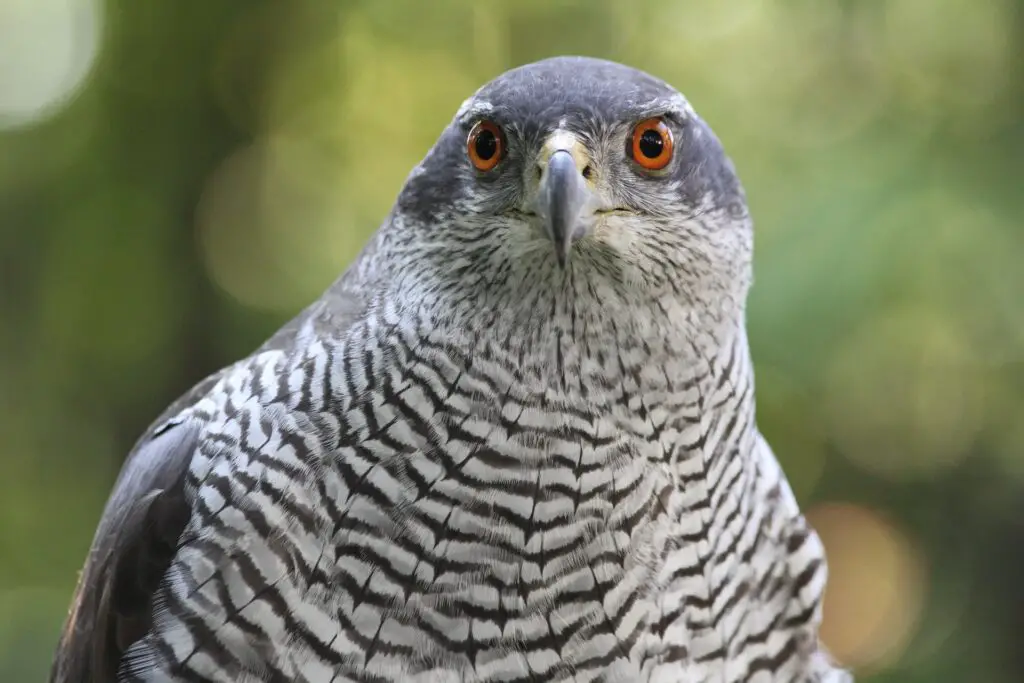
Expert falconers often prefer goshawks as their bird of choice when it comes to falconry. Goshawks are well-known for their incredible speed and agility, making them excellent hunting companions. However, training a goshawk can be challenging due to its independent nature.
To successfully train a goshawk for falconry, patience is key. It’s important to establish trust with your bird through consistent handling and positive reinforcement techniques. Goshawks respond well to food rewards during training sessions, but it’s crucial to maintain a balanced diet for optimal health.
In terms of breeding habits, goshawks typically mate in early spring and produce one clutch per year. As far as hunting preferences go, these hawks tend to favour open spaces like meadows or fields where they can easily locate prey from above. With proper care and attention, goshawks make excellent companions for experienced falconers looking for an exciting challenge.
Sharp-Shinned Hawk
I have trained many Sharp-shinned hawks that are used in falconry because they are small, agile, and excellent hunters. These raptors are famous for catching smaller prey with great accuracy. Legal regulations vary by state, but all require permits for using raptors in falconry.
Sharp-shinned hawks are ideal hunting companions for those who enjoy fast-paced hunts with smaller game animals. With proper habitat requirements met, consistent training processes followed, and legal regulations adhered to; these birds can provide thrilling experiences while also being conservation-minded when properly cared for during and after their use in falconry pursuits.

Ferruginous Hawk
Ironically enough, the Ferruginous hawk isn’t actually a true hawk! Rather it belongs to the genus Buteo and is better classified as a large buzzard. However, its size and strength make it an impressive bird of prey that’s highly sought after in the world of falconry.
When it comes to diet and habitat, these hawks are versatile hunters that can take down everything from rabbits to prairie dogs. They’re found throughout western North America, often residing in open grasslands or desert regions. Due to their broad wingspan and powerful legs, they excel at soaring high above the ground before swooping down on unsuspecting prey.
Conservation efforts for this species have been underway since the 1970s due to declining populations across many parts of their range. While some states still permit falconry with Ferruginous hawks, others prohibit it entirely in order to protect them from further decline. It’s important for us as falconers to do our part by supporting conservation organizations and following ethical practices when working with these birds.
But beyond all else, what makes Ferruginous hawks so unique are their physical characteristics. With striking pale plumage and piercing yellow eyes, they’re truly a sight to behold when perched atop your glove. As someone who has worked closely with these birds for years now, I can attest that training them for falconry takes patience, persistence, and, most importantly – respect for their innate beauty and wild nature.
As a falconry expert, I can confidently say that the world of hawks is simply fascinating. These birds are powerful predators and make excellent hunting companions. From the iconic Red-tailed hawk to the striking Cooper’s hawk, there are various species to choose from depending on your preferences.
In fact, selecting a hawk for falconry is like picking out a fine wine – each one has its unique characteristics and flavours. Just as a sommelier would select the perfect vintage to complement a dish, so too must we carefully consider which hawk will be best suited for our specific needs. With their keen eyesight and impressive speed, hawks have been used in falconry for thousands of years and continue to be an important part of this ancient tradition today.