
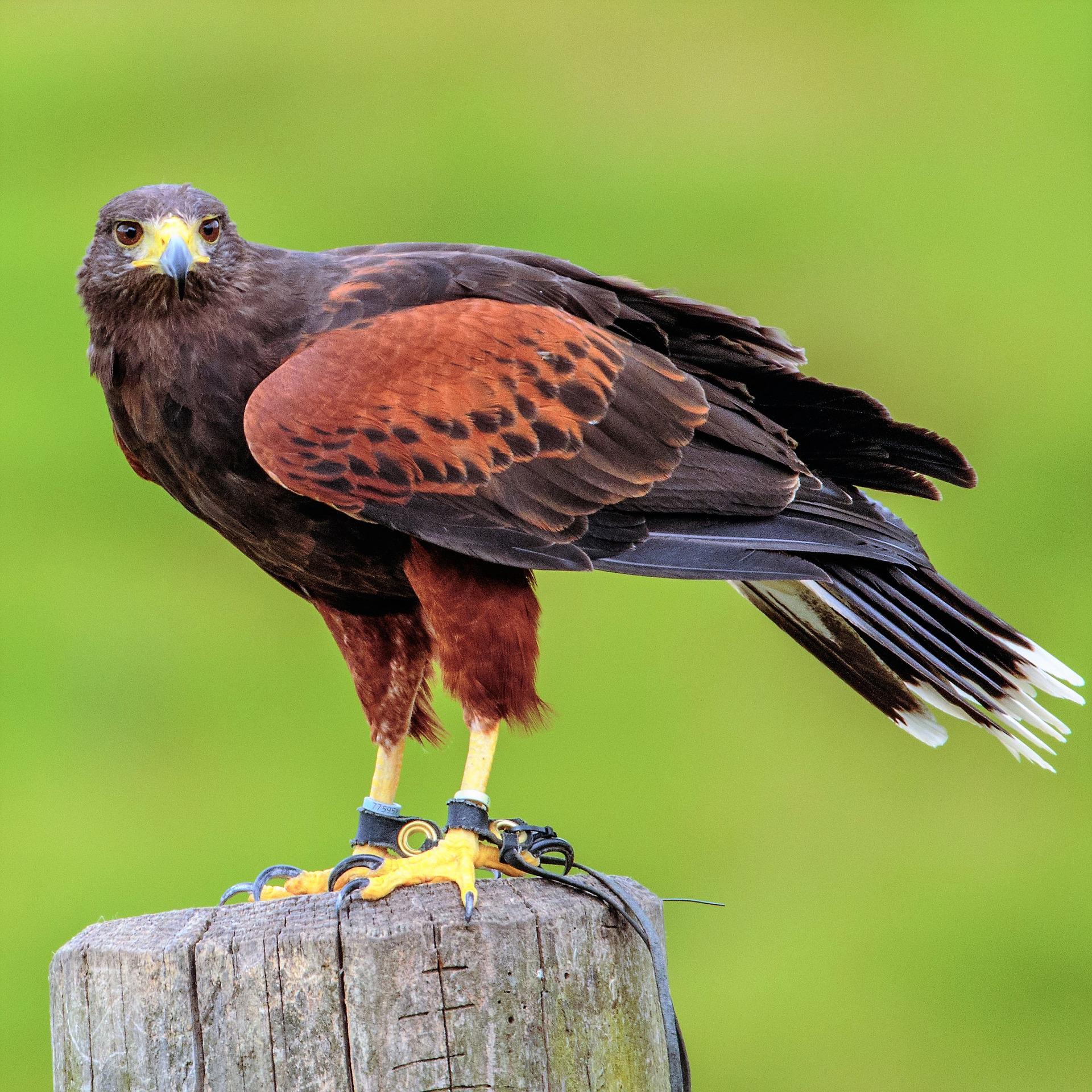
When it comes to breeding hawks, there are a few important factors to consider. These include the species of hawk, their natural habitat and diet, as well as your own level of experience and resources. In this article, we will focus on the easiest species of hawk to breed and provide some tips for successful breeding.
What is the easiest hawk to breed for falconry?
Harris hawks are widely considered to be the easiest hawk species to breed for falconry. They are native to the southwestern United States, Mexico, and South America and have been successfully bred in captivity for years. Harris hawks are also known for their intelligence, adaptability, and social nature, which makes them easier to handle and train compared to other hawk species.
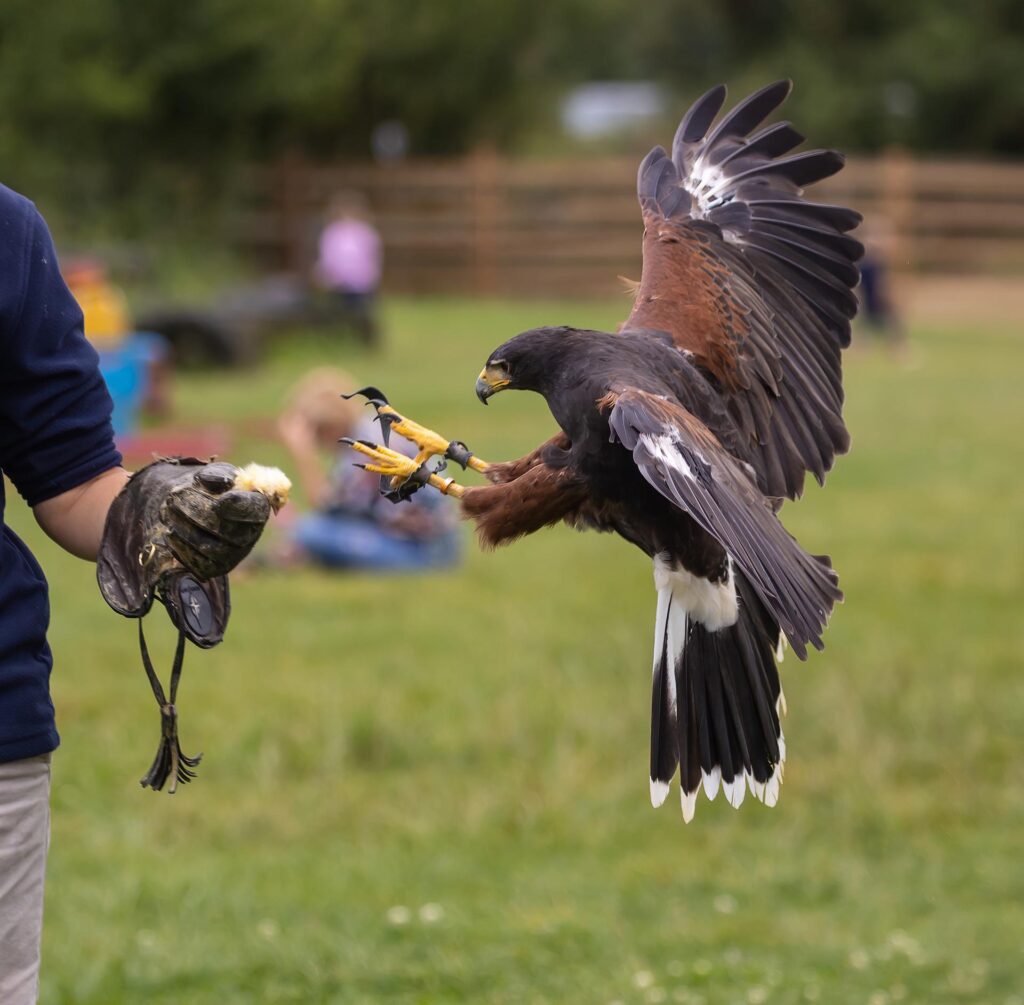
Here’s why I find the Harris Hawk to be the easiest to breed:
Adaptability:
- Harris hawks are highly adaptable birds that thrive in diverse environments and successfully breed in various habitats. They have low environmental requirements and can be found in deserts, grasslands, and even urban areas. Their cooperative breeding behaviour allows them to share responsibilities and overcome challenges like predation and resource scarcity. Both males and females actively participate in parental care, ensuring the survival of their offspring. Overall, Harris hawks’ adaptability enables them to overcome obstacles and breed successfully in different habitats.
Social Nature:
- Unlike most hawk species that are solitary, Harris hawks are social birds that live in groups known as “casts.” This natural behaviour makes them easier to train and handle compared to other solitary hawks. They are used to living and hunting in a group, which makes it easier for them to adapt to falconry and work with humans. Their strong social bonds also make them less likely to become aggressive towards humans, making them an ideal choice for breeders and falconers.
Ease of Pair Bonding in Captivity:
- Harris hawks are monogamous birds, meaning they mate with only one partner for life. This makes it easier to pair them in captivity, as they naturally form strong bonds with their chosen mate. It is also common for Harris hawks to be bred in trios, with two females and one male forming a close-knit group known as “polygynous.” This cooperative breeding behaviour reduces potential aggression and increases the chances of successful breeding.

Relatively Low Aggression
- Relatively low aggression is a notable characteristic observed in Harris hawks during the breeding process. This species has been well-documented for its cooperative breeding behaviours, where individuals work together to raise offspring.
High Fertility Rates
- Harris hawks typically have high fertility rates, with females laying up to five eggs per clutch. This gives breeders a higher chance of producing offspring and successfully breeding the species. Additionally, these eggs also have a high hatch success rate, further increasing the chances of successful breeding.
Based on my experience, I would say that the Harris hawk (Parabuteo unicinctus) is the species that exhibits the highest ease of breeding among hawks. Their adaptability to various environments, social nature, ease of pair bonding, relatively low aggression, and high fertility rates contribute to their success in captivity. These factors make the breeding process of Harris hawks more manageable and favourable for breeders looking for a species that is relatively easier to reproduce.
Frequently Asked Questions
What Are the Specific Characteristics That Make Harris Hawks the Easiest Birds to Breed?
- Harris hawks are the easiest birds to breed due to their unique breeding habits, adaptability to various environmental factors, high reproductive success rates, exceptional parental care, and genetic predisposition for successful breeding.
How do you determine a male and female harris hawk?
- Male and female Harris hawks can be differentiated by their size, with females being larger than males. In terms of colouration, females have more prominent reddish-brown chest and belly feathers compared to males. Additionally, female Harris hawks also tend to have a darker colour overall compared to males.
How do you pick the best harris hawk breeding pair?
- When selecting a breeding pair of Harris hawks, it is important to consider their genetic compatibility, health and temperament. Look for birds with strong genes and good health records, as well as those who have shown successful breeding in the past.
Should I remove the eggs from the parents?
- It is generally recommended to leave the eggs with the parents for them to incubate and hatch. However, if you notice any signs of neglect or aggression towards the eggs, it may be necessary to intervene and remove them for artificial incubation.