
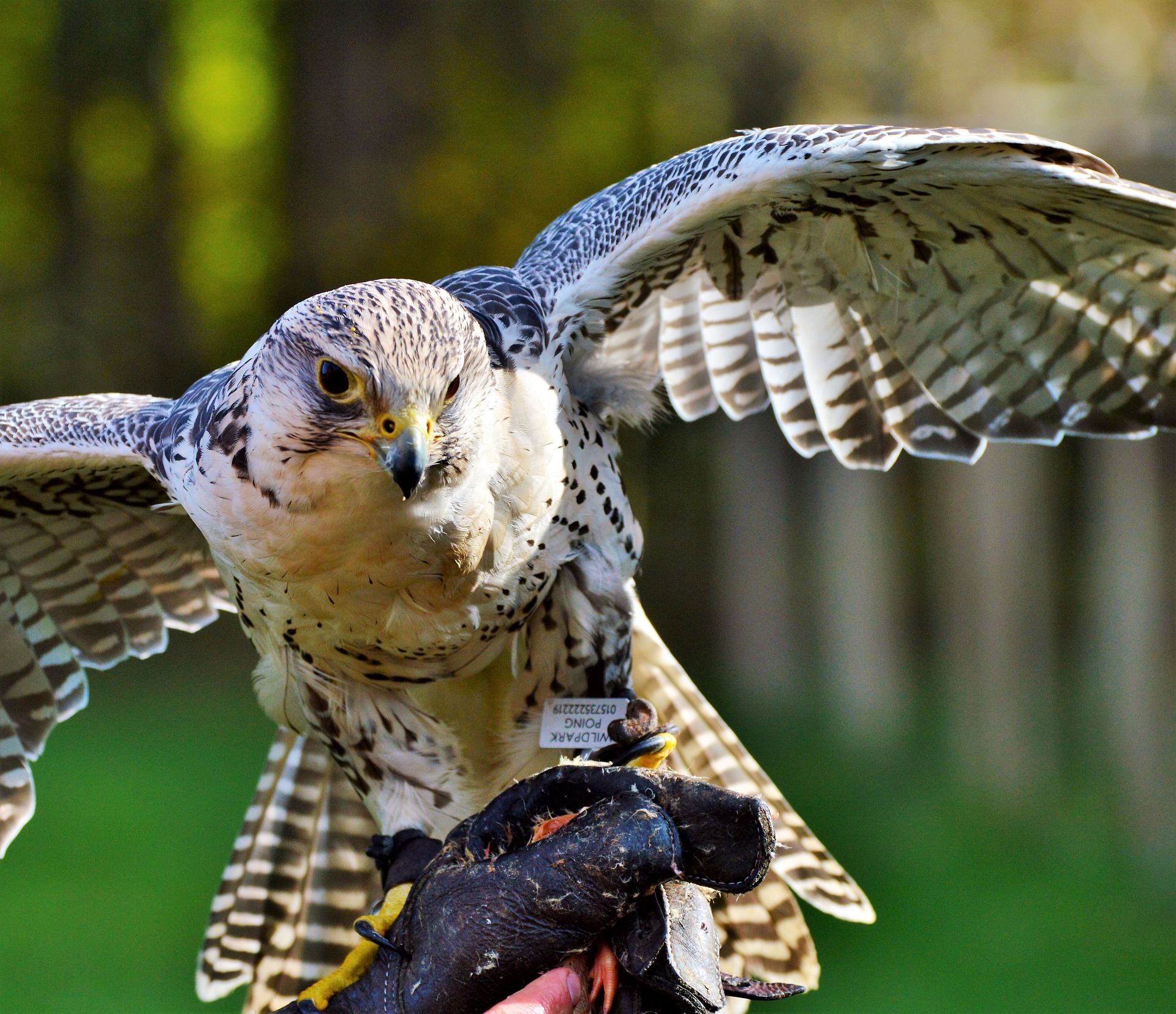
Hunting in falconry is by no means a simple process. It demands a lot of time, effort, patience, and skill to be able to train a bird of prey for hunting purposes. From my experience, there are many different elements to consider when it comes to hunting in falconry, and in this step-by-step guide, I will provide you with all the information you need to get started.
What is falconry hunting?
Falconry hunting is the ancient practice of using trained birds of prey to capture game for sport or food. It has a rich history dating back thousands of years, with origins in Asia and the Middle East. Falconry requires specialized equipment and extensive training for both the falconer and the falcon. Conservation efforts are an integral part of falconry, as it promotes the preservation of these magnificent birds and their habitats.
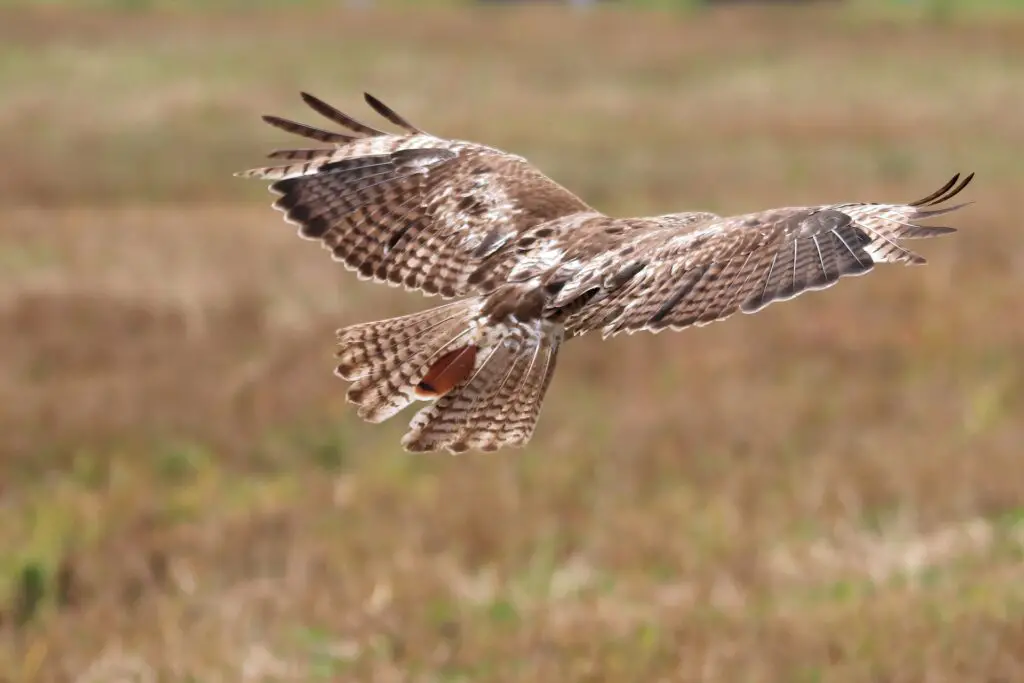
Different species of falcons are used in falconry, each with unique characteristics and hunting abilities. The bond between Falconer and Raptor is built on trust and mutual respect, resulting in a remarkable partnership. Falconry holds cultural significance in various countries, where it is celebrated as a traditional art and a symbol of power and nobility.
A step-by-step guide on how to hunt in falconry
How can one successfully hunt in falconry? It all starts with the right equipment, such as jesses, bells, and a hood. Choosing the right hunting grounds is essential, considering factors like open spaces and suitable prey species. Techniques for hunting with falcons include stooping, soaring, and waiting.
Step 1: Choose Your bird of prey
Selecting a suitable bird is the first step in falconry. Species such as the Goshawk, Red-tailed Hawk, and Harris’s Hawk are commonly used. Remember that different species have different temperaments, so your choice should reflect your level of experience and hunting targets.
Step 2: Obtain Necessary Equipment
Equip yourself with the necessary gear. This includes jesses (leather straps), a hood to calm the bird, a leash, a perch, and falconry gloves. You’ll also need a telemetry system to track your bird when it’s flying free.
Step 3: Training Your Falcon
Training is the most time-consuming part of falconry. It involves helping your bird acclimate to being around humans and teaching it to return to the glove on command. Training also includes rewarding your bird with food when it behaves as desired.

Step 4: Hunting Preparation
Scout out your hunting area to ensure it’s safe and suitable for your raptor. The environment should be open and free of hazards like power lines. Also, assess the availability of prey species appropriate for your falcon.
Step 5: Hunting
Once your bird is well-trained, you can begin hunting. Release your bird from your glove and let it fly to a high perch or soar in the sky. When it spots prey, it will swoop down at high speed to capture it. This technique is known as ‘stooping’.
Step 6: Recall Your Bird
After the falcon makes a kill, it’s essential to recall your bird. You can do this by using a lure or reward system. Be sure to check your bird for any injuries sustained during the hunt.
Step 7: Post-Hunt Care
Finally, ensure that your bird is well-fed and hydrated after the hunt. Check its equipment for any signs of wear and tear.
What can you hunt in falconry?
When hunting in falconry, you can target a variety of prey species. Popular prey species in falconry include rabbits, squirrels, pheasants, and ducks. Birds of prey play a crucial role in hunting, using their speed and agility to chase down prey. However, hunting with raptors also presents challenges, such as weather conditions and the unpredictability of wild animals. Unique hunting techniques, such as stooping and tail-chasing, are employed in falconry. This ancient practice has a rich history and cultural significance, showcasing the bond between humans and birds of prey.
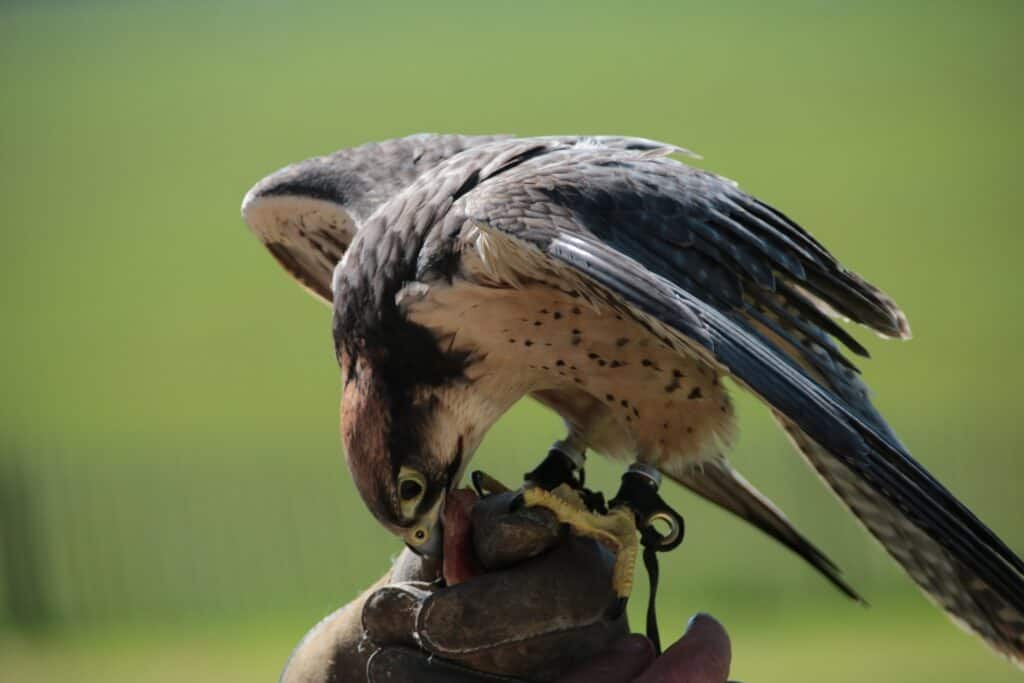
In conclusion, falconry hunting is an ancient and exciting practice, steeped in tradition and requiring extensive skills and patience. With the right bird, training, equipment, and hunting grounds, you can partake in this unique partnership with nature, enjoying the thrill of the hunt and fostering a remarkable bond with your raptor.
Frequently Asked Questions
What Are the Legal Requirements for Practicing Falconry Hunting?
- Legal requirements for practising falconry hunting include obtaining permits, completing training, selecting appropriate birds, and overcoming common difficulties.
What types of prey do falconers typically hunt with their birds?
- Falconers commonly hunt game birds like pheasants and quail, as well as rabbits and other small mammals, depending on the bird’s species and training.
Are There Any Restrictions on the Types of Birds That Can Be Used in Falconry Hunting?
- There are regulations and restrictions in falconry hunting regarding the types of birds that can be used. These restrictions ensure the conservation of bird species and require falconers to obtain permits for bird selection.
What Are Some Common Challenges or Difficulties Encountered During Falconry Hunting?
- Training challenges, hunting in various terrains, and dealing with weather conditions are common difficulties in falconry. Maintaining the falcon’s health and fitness, managing aggression during the hunt, and countering prey evasion techniques also present challenges.