
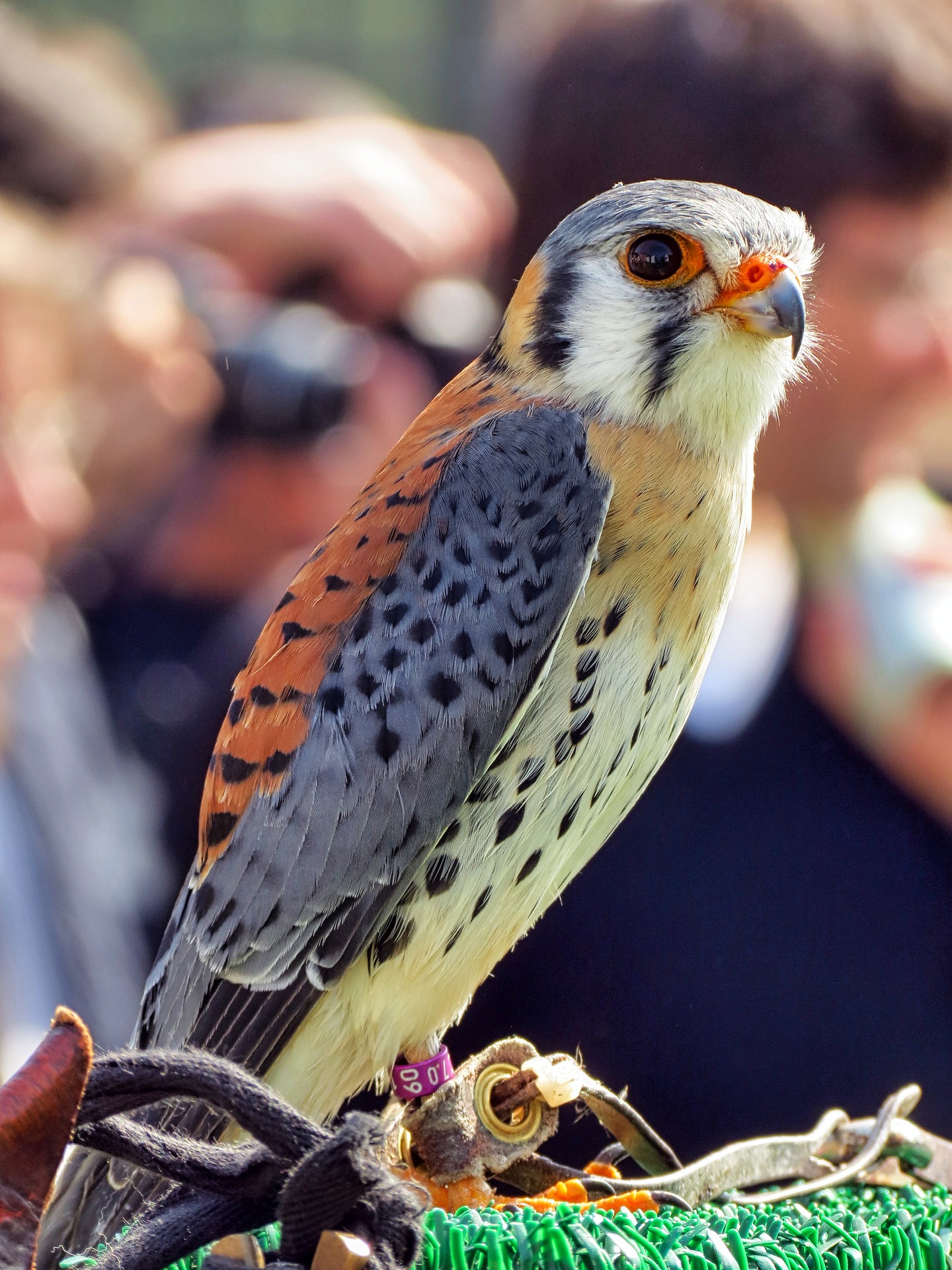
Did you know that the American kestrel is the most diminutive falcon in North America and it is the smallest falcon in the world? This little raptor can be found in open habitats across the continent. Kestrels are cavity nesters and often use old woodpecker holes to raise their young. Kestrels are known for their beautiful colouring and their fantastic hunting skills, but when it comes to breeding, many questions still need to be answered, like what time of year do they prefer to nest?
Kestrels, like most birds, prefer to nest in the springtime when temperatures are not too hot but also not too cold. This ensures that the environment is suitable for the birds to raise their young. Nesting season typically begins in April and continues through July. However, in some regions, kestrels start nesting as early as December to February and continue until August or September.
Suppose you are attempting to breed these beautiful raptors. In that case, there is much you need to know, and I’ll cover everything you need to know about kestrel nesting in what is to follow. We will cover when they build their nests, what they use for the material, and how you can help protect them from predators. Keep reading to learn more!
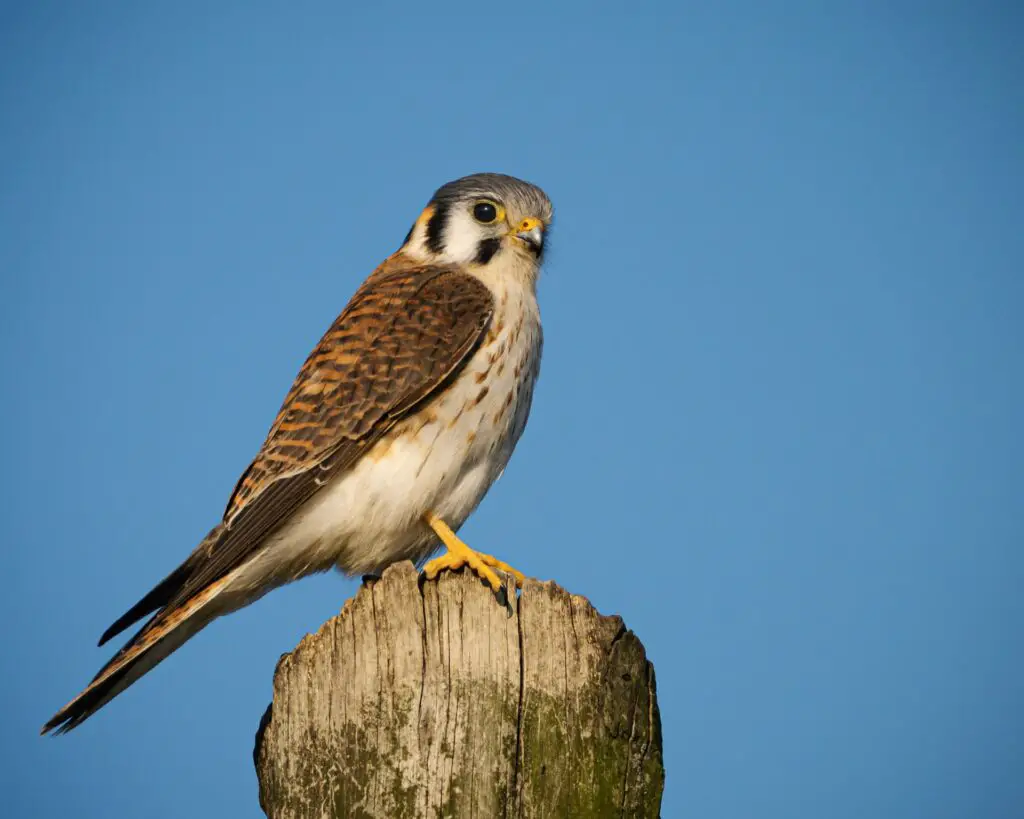
What is nesting among kestrels?
Kestrels are a type of small falcon that inhabit a range of environments around the world. Though they are often associated with open grasslands, kestrels can also be found in forests, deserts, and even near urban areas. One of the most distinctive features of kestrels is their nesting habits. Instead of building a nest from scratch, kestrels will often take over the abandoned nest of another bird species. In some cases, kestrels have even been known to evict a nest’s original inhabitants before moving in. While this behaviour may seem strange to us, it provides an essential advantage for kestrels. Using an existing nest allows kestrels to save time and energy that would otherwise be spent on building their own nesting site. This gives them a greater chance of survival, especially in regions where food is scarce.
Kestrels typically begin to nest in the middle of spring, though this can vary depending on their location. Once they have chosen a suitable nesting site, they will build up the nest with sticks and other materials. Kestrels are also known to line their nests with softer materials, such as fur or feathers, to make them more comfortable. Kestrels can lay up to five eggs, and the young hatch after about 30 days.
Which is the season kestrels prefer to nest, and what temperatures do they require?
One of the most wide-ranging birds of prey, the kestrel can be found on every continent except Antarctica. While there are many different subspecies of kestrels, one thing remains the same: they prefer to nest in the spring and summer months. It is likely because this is when food availability is highest. Kestrels primarily feed on rodents and bats, which are more abundant during the warmer months. In addition, nesting in the spring and summer provides young kestrels with the most prolonged period of time to mature before they need to fend for themselves. Finally, while kestrels can nest in a variety of different climates, they generally prefer areas with milder winters. This helps to ensure that food is still available even during the colder months. As a result, kestrels often choose to nest in areas with average temperatures ranging from 60-70 degrees Fahrenheit(16-21°C).
Where do kestrels prefer to nest when they are nesting?
When kestrels are looking for a place to nest, they typically prefer open areas with plenty of space to hunt. Therefore, they often build their nests in trees or cliff faces but use man-made structures like buildings or telephone poles. Kestrels typically lay three to seven eggs per clutch, and they will use the same nest site for several years in a row if conditions are favourable. Once the eggs hatch, the young kestrels will stay in the nest for about four weeks before fledging. During this time, the parents will work tirelessly to provide food for their growing chicks. Once the chicks are old enough to fend for themselves, they will disperse from the nest site and begin to establish their own territories.
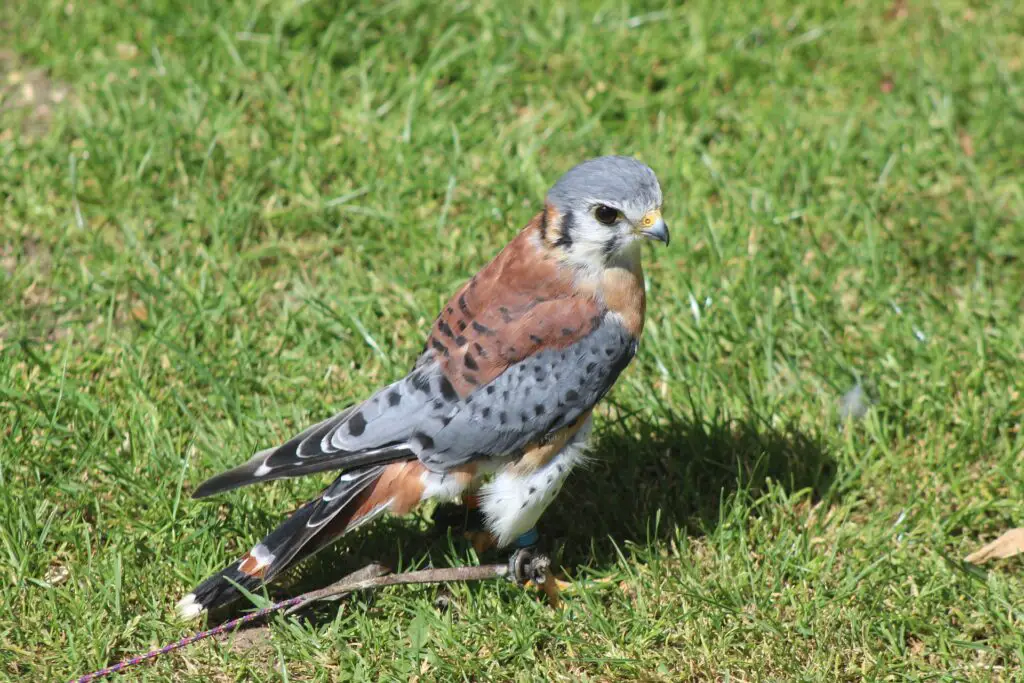
How to recreate a kestrel’s natural environment for nesting in falconry?
Falconry is the art of hunting with trained birds of prey. The kestrel is commonly used in falconry due to their small size and docile nature. In order to create a kestrel’s natural environment for nesting in falconry, you will need a few essential items:
- You will need a perch for the kestrel to rest on when not hunting.
- You will need a nesting box or some sheltered area where the kestrel can lay its eggs.
- You will need an adequate food supply to keep the kestrel well-fed.
By providing these basic needs, you can create a comfortable environment for your kestrel that will foster successful nesting.
Will a falconer’s kestrel mate if its cage is always the perfect temperature?
A kestrel will mate when its cage is kept at the perfect temperature. The female will not breed if the temperature is too hot or too cold. The male kestrel will mate with the female kestrel when the temperature is just right. In the nest, the female will lay her eggs and incubate them until they hatch. The young kestrels will fledge from the nest and learn to hunt on their own. If the temperature is not perfect, the female will not mate, and the young will not survive. Therefore, falconers must be careful to keep their kestrels at the ideal temperature so that they can mate and produce offspring.
Does the time of year affect the number of eggs or the egg’s development?
Studies have shown that the time of year does affect the number of eggs a kestrel lays. In general, kestrels lay more eggs during the spring and summer months than they do during the fall and winter. Most likely, this is because there is more food available for them during the warmer months, as well as longer days which give them more time to forage. The time of year also affects the development of kestrel eggs. Eggs laid during the spring and summer typically hatch faster than those laid during the fall and winter. Again, this is likely due in part to the fact that warmer temperatures speed up the developmental process. It is important to note that the number of eggs laid and their development can be affected by other factors such as climate, diet, and the overall health of the kestrel.
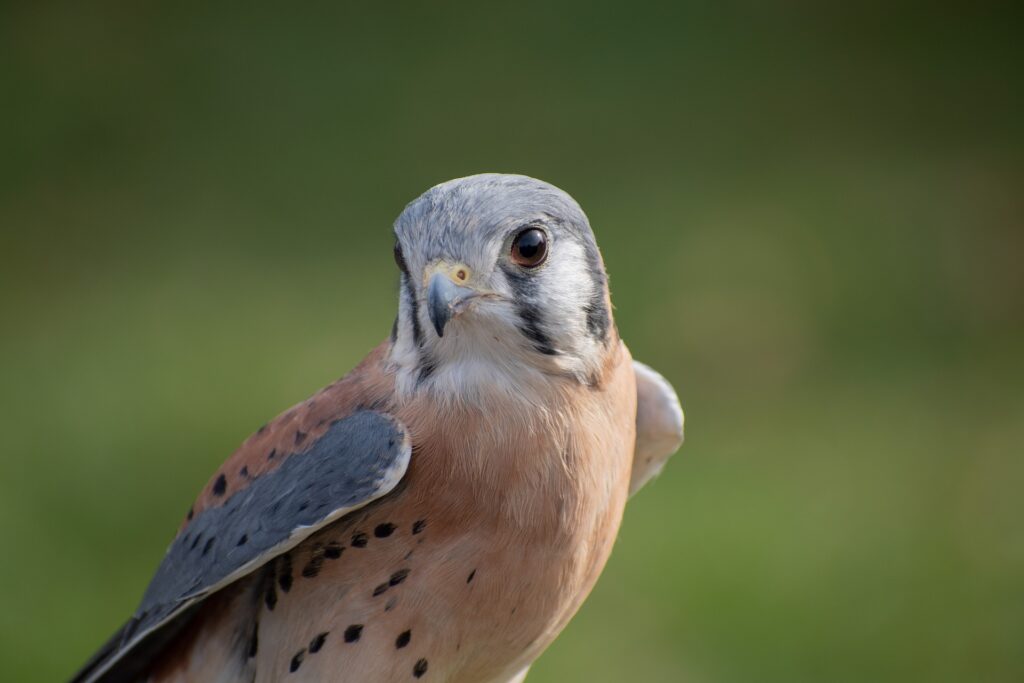
If you’re in an area where American kestrels nest, it’s essential to be aware of the time of year they are most likely to be active. Keep an eye out for these beautiful birds and do your part to help keep them safe!