The Lanner Falcon is an incredible companion in falconry, combining agility and intelligence with striking beauty. I’m constantly amazed by their impressive hunting skills, which involve swift stoops to catch small birds and mammals. Their strong bond with falconers makes training both exhilarating and rewarding.
Owning a Lanner requires commitment, from proper nutrition to effective training techniques. There’s so much more to explore about Lanner Falcons and their role in this ancient art, so let’s dive deeper!
Introduction
Scientific name: Falco biarmicus
Family: Falconidae
Diet: Carnivorous, primarily birds and small mammals
Lifespan: 10-15 years in the wild and up to 20 years in captivity
Habitat and Range: Found across Africa, southern Europe, and parts of Asia; prefers open habitats such as savannas, grasslands, and semi-arid regions
Temperament: Agile, territorial, and highly skilled hunter
Size: 38-50 cm (15-20 inches) in length
Weight: 500-900 grams (1.1-2 lbs), with females being larger
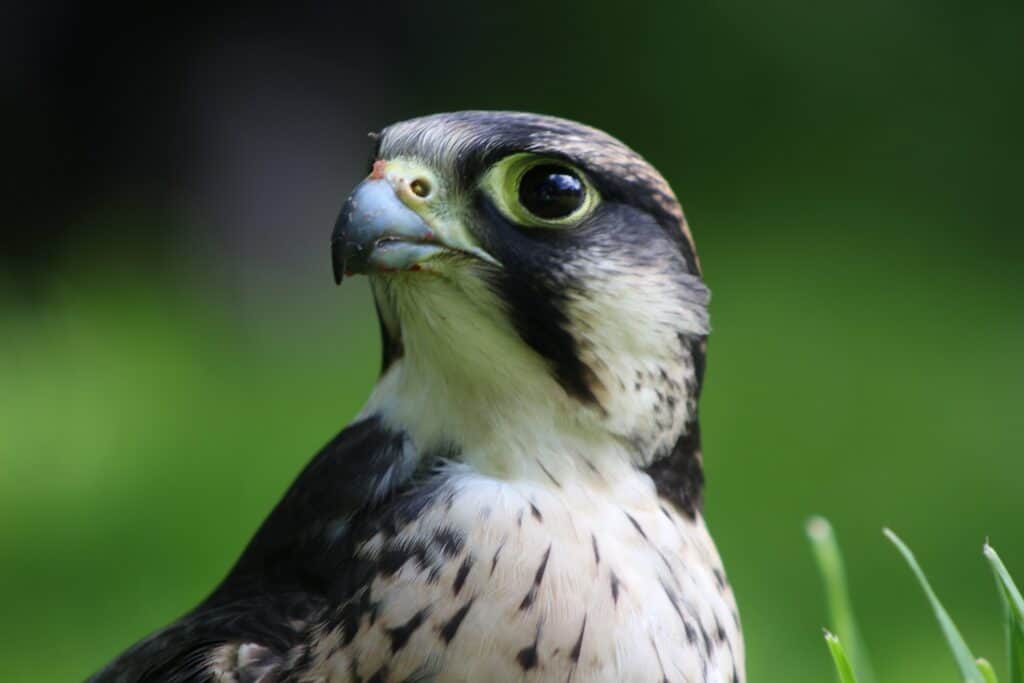
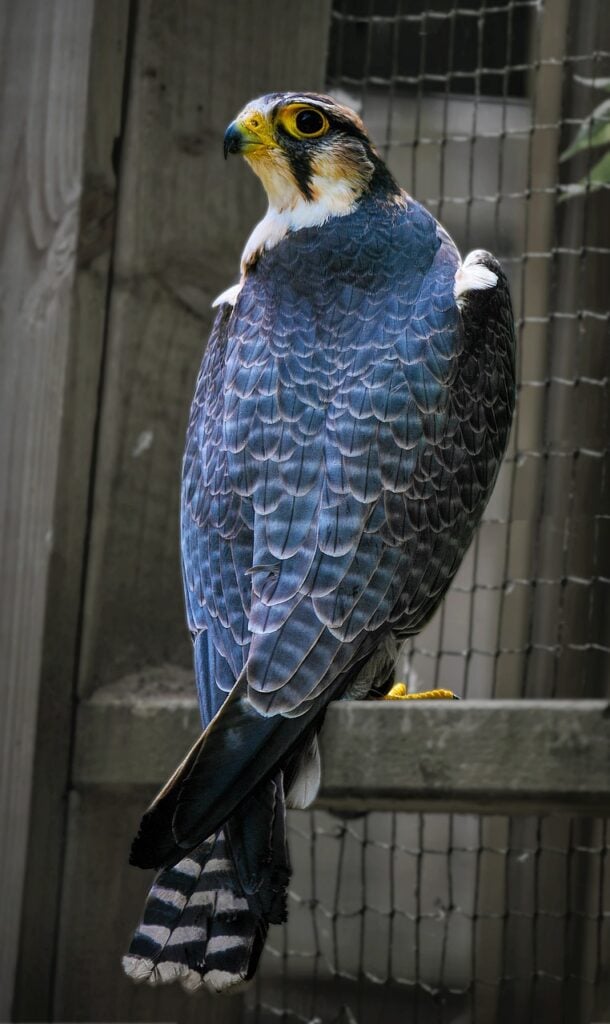
Color: Bluish-gray or brownish upper parts with pale, cream-colored underparts streaked with dark brown
Wingspan: 90–110 cm (3 ft – 3 ft 7 in)
Wing Shape: Long, pointed wings built for speed and maneuverability
Tail Shape: Long and slightly rounded
When it comes to falconry, the Lanner Falcon (*Falco biarmicus*) stands out as a captivating choice for enthusiasts and practitioners alike. With a rich history that stretches across Europe and Africa, this bird embodies grace and power. It symbolizes strength, loyalty, and the timeless bond between falconers and nature, making it a cherished companion in the art of falconry.
Biology and Natural History of Lanner Falcon
Lanner falcons are truly remarkable. This medium-sized bird thrives in diverse habitats and has an impressive range across Europe, Africa, and parts of Asia. I can’t help but admire its remarkable hunting behavior and social structure, which reflect a sophisticated adaptability to its environment.
Taxonomy and classification
The Lanner Falcon, scientifically known as Falco biarmicus, boasts a fascinating taxonomy that reflects its diverse habitats and behaviors. Delving into its taxonomic hierarchy, I find that understanding its classification presents unique challenges. Given its similarities to other raptors, researchers often grapple with the Lanner’s relationships within the Falco genus.
- Described by Coenraad Jacob Temminck in 1825.
- The locality includes Caffraria and the Cape of Good Hope.
- The specific epithet likely references Bjarmaland, highlighting its historical significance.
Exploring these nuances deepens my appreciation for the Lanner Falcon’s place in the avian world.
Native habitat and range
In exploring the captivating world of Lanner Falcons, it’s fascinating to consider their native habitat and range. These remarkable birds thrive in diverse environments, showcasing their environmental adaptability.
- Habitat Preferences favor open spaces like savannahs, grasslands, and forest edges.
- Geographical Distribution: Found in the Mediterranean, Middle East, and parts of Africa.
- Climatic Influences: Their range extends from sea level to 7,500 feet, demonstrating resilience to varying climates.
This adaptability allows them to inhabit urban areas, perching on city lamp posts, blending the wild with the urban landscape while continuing their majestic existence.
Social structure and hunting behavior
Observing Lanner Falcons reveals that their social structure and hunting behavior are intricately linked. These remarkable birds often display a social hierarchy, with dominant pairs leading the way during hunts. I’ve seen them engage in cooperative hunting, where one falcon flushes the prey while the other swoops in for the capture.
This teamwork not only enhances their hunting success but also strengthens their bond. Their ability to work together showcases the intelligence and adaptability of Lanner Falcons, making them fascinating subjects.
Lifespan and Health of Gyrfalcon
When I think about the lifespan and health of the Lanner Falcon, it’s fascinating to see the differences between those living in the wild and those in captivity. Common health concerns can arise from various factors, and recognizing the signs of illness is crucial for their well-being. Understanding these aspects enriches our knowledge and enhances our ability to care for these magnificent birds.
Lifespan in the wild vs. captivity
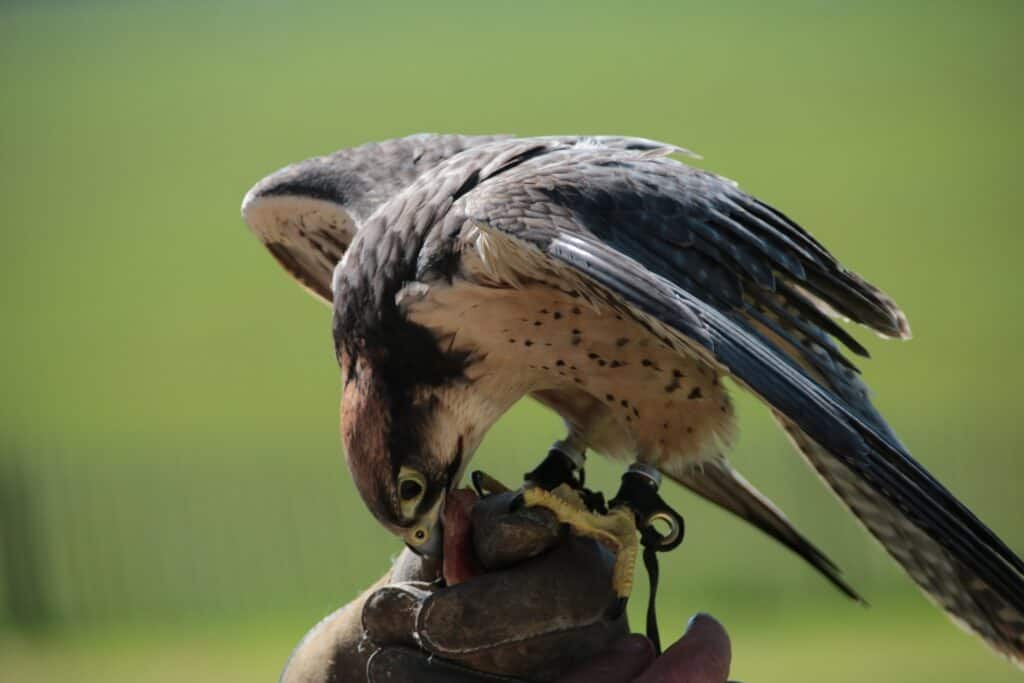
Understanding the lifespan of the Lanner Falcon in the wild versus captivity reveals crucial insights into their health and well-being. Generally, these magnificent birds live longer in captivity, often reaching 15 to 17 years, compared to around 10 years in the wild. This lifespan comparison below highlights the influence of diet, healthcare, and environmental factors.
- Captivity provides consistent nutrition and veterinary care.
- Wild Lanner Falcons face predation, harsh weather, and food scarcity.
These factors significantly impact their longevity, making understanding these differences essential for conservation and falconry practices.
Common diseases and health concerns faced by Lanner Falcon
Lanner Falcons, like many birds of prey, face a variety of common diseases and health concerns that can significantly impact their well-being and lifespan. Some prevalent Lanner Falcon diseases include respiratory infections, parasites, and nutritional deficiencies. I emphasize preventative care to maintain their health, such as a balanced diet and regular health checkups.
Falconry veterinary practices play a crucial role in diagnosing and treating these issues early on. Staying informed about potential health risks and ensuring prompt veterinary attention can greatly enhance the quality of life for these magnificent birds. A proactive approach is essential for their longevity and vitality in falconry.
Signs of illness and veterinary care
Recognizing the signs of illness in lanner falcons is crucial for ensuring their health and longevity. As a falconer, I’ve learned to pay close attention to their behavior and appearance, as early symptom identification can make a significant difference. Here are some key signs to watch for:
- Changes in appetite or weight
- Lethargy or unusual behavior
- Abnormal droppings or feather condition
If you notice any of these symptoms, don’t hesitate to consult a veterinarian experienced in avian care. Timely veterinary procedures can prevent more serious health issues, ensuring your lanner falcon remains healthy and vibrant.
Diet and Nutrition
When it comes to the diet and nutrition of Lanner Falcons, understanding their natural food sources is crucial for their health in captivity. I’ve learned that managing their weight plays a vital role in their overall well-being, training, and performance during falconry. By providing a balanced diet that mimics what they’d hunt in the wild, we can ensure these magnificent birds thrive under our care.
Diet of the Lanner Falcon
The Lanner Falcon is a medium-sized bird of prey known for its agility and speed. It primarily preys on small birds, mammals, and insects, adapting its diet based on availability and habitat. In captivity, a well-balanced diet is crucial for its health, growth, and performance, particularly in falconry or conservation programs.
Diet Composition
Lanner Falcons are carnivorous and require a diet rich in protein and essential nutrients. Their natural diet consists of:
- Birds – Pigeons, doves, and smaller passerines
- Mammals – Rodents and bats
- Reptiles & Amphibians – Occasionally, small lizards
- Insects – Large grasshoppers, beetles, and other flying insects (mainly for juveniles)
In captivity, their diet can include quail, day-old chicks, mice, and specialized falconry food.
Feeding Schedule & Techniques
Life StageDietFeeding FrequencyHow to Feed
Chick (0-4 weeks) Finely chopped quail, mice, or small bird parts 5-6 times a day Hand-feed small portions, avoid large bones
Juvenile (1-4 months) While small birds (quail, chicks), rodents 2-3 times a day Introduce whole prey, encourage tearing food
Adult (4+ months) Whole prey (quail, pigeons, rodents) 1-2 times a day Offer whole prey, allow natural feeding behavior
Additional Feeding Tips
- Hydration – Ensure fresh water is always available. Chicks get moisture from food, but juveniles and adults need water.
- Nutritional Balance – Avoid overfeeding fatty meats; provide varied prey to mimic a wild diet.
- Training & Hunting Preparation – Adjust food portions to maintain a healthy weight for flight performance.
- Health Monitoring – Check for signs of malnutrition, such as poor feather quality or lethargy.
Supplements for Lanner Falcons
Supplements play a vital role in maintaining the health and performance of Lanner Falcons. These birds require additional nutrients to support their active lifestyles, especially if their diet lacks variety or key components found in wild prey.
Common supplements include vitamins, calcium, and essential fatty acids, all of which contribute to healthy feathers, bones, and overall vitality. While supplements can be beneficial, it’s crucial to use them judiciously to avoid over-supplementation, which can lead to health issues.
| Supplement | Purpose | Usage Guidelines |
| Calcium Powder | Promotes strong bones and egg development | Sprinkle lightly on food 1-2 times per week |
| Multivitamins | Ensures a balanced intake of essential vitamins | Use in small quantities, follow veterinarian advice |
| Essential Fatty Acids | Improves feather quality and skin health | Incorporate through specific oil-based mixes |
| Probiotics | Supports digestive health and gut bacteria | Administer during or after medication use |
It’s recommended that you consult with an avian specialist to tailor supplementation to each bird’s specific needs, ensuring optimal health and performance.
Care and Maintenance
Caring for a Lanner Falcon isn’t just about feeding; it involves creating a nurturing environment that meets their physical and psychological needs. I ensure my mews and weathering yards are spacious and equipped with suitable perches and baths while also providing environmental enrichment to keep their instincts sharp. Regular health checks and grooming are vital, as is managing stress and aggression to maintain a happy and healthy bird.
Housing: Mews and weathering yards
When it comes to housing Lanner Falcons, setting up appropriate mews and weathering yards is crucial for their well-being and training. A well-thought-out mews design allows for comfort and safety, while a weathering yard gives them space to exercise and enjoy natural sunlight. Here are some key considerations:
- Ventilation: Ensure adequate airflow in the mews to keep your falcon cool.
- Safety: Use secure materials to prevent escapes and protect against predators.
- Space: Provide enough room for movement and exercise, crucial for their health.
Creating an optimal environment is essential for nurturing a strong bond and successful training.
Perches, baths, and environmental enrichment
After establishing a comfortable mews and weathering yard for your Lanner Falcon, the next step is to focus on perches, baths, and environmental enrichment to ensure their happiness and well-being. I recommend using various perch types, like natural branches or padded perches, positioned at different heights for optimal perch placement.
Gentle misting or shallow water baths work wonders for bathing, allowing them to preen and stay clean. Incorporate environmental enrichment strategies, such as hiding food or using toys, to stimulate their minds. Regular enrichment activities prevent boredom and promote natural behaviors, ensuring your falcon thrives both physically and mentally.
Routine health checks and beak/talon maintenance
Routine health checks and beak/talon maintenance are essential for keeping your Lanner Falcon in top condition. I make it a priority to perform regular health monitoring to catch any potential issues early. Here are some key aspects I focus on:
- Beak trimming: Ensures it’s not overgrown, which can affect feeding.
- Talon care: Regular checks prevent injuries and ensure they stay sharp for hunting.
- Routine checkups: I schedule these with an avian vet to maintain overall health.
Preventing stress and aggression in captivity
Maintaining the health of your Lanner Falcon goes beyond just physical checks; it’s vital to create an environment that minimizes stress and aggression. I focus on effective stress management by providing ample space for flight and perching. Keeping a consistent routine helps my falcon feel secure.
I also pay attention to its social needs, ensuring it has interaction but not overcrowding, which can lead to aggressive behavior. Monitoring for signs of distress like excessive vocalization or feather plucking is crucial. I can promote a happier, healthier bird ready for falconry pursuits by fostering a calm habitat.
Training and Handling
Training a Lanner Falcon is a thrilling journey that starts with manning, the initial taming process that builds trust between us. I use specific equipment and weight control strategies to ensure effective training, which sets the stage for mastering various techniques. As we progress, free-flying and preparing for hunting become exhilarating milestones that showcase our bond and the falcon’s incredible abilities.
Manning (initial taming process)
When I first embark on the journey of manning a Lanner Falcon, I’m always struck by the unique bond that forms between us during this initial taming process. I focus on creating a supportive training environment by employing effective manning techniques and taming strategies. I use positive reinforcement and behavioral rewards to encourage cooperation and build trust.
- Socialization tips: Gradually introduce new sounds and sights.
- Handling methods: Start with gentle, short sessions to avoid overwhelming the bird.
- Initial bonding: Spend time together, allowing the falcon to acclimate to my presence.
Equipment training
When it comes to training a Lanner Falcon, the right equipment is crucial for successful handling and safety. I’ve found that jesses, leashes, and perches are essential tools that provide control and allow the bird to feel secure. Using hoods and telemetry systems ensures that I can monitor my falcon’s well-being and location, making our training sessions effective and enjoyable for both of us.
Jesses
Jesses are vital tools in the art of falconry, serving as essential equipment for training and handling birds like the Lanner Falcon. Choosing the right Jesse’s involves understanding their materials and colors and ensuring proper fitting and adjustments. Here’s what to consider:
- Types: leather, nylon, and synthetic options
- Maintenance: regular checks for wear
- Importance: crucial for safe handling and training success
Leashes
A reliable leash is an indispensable tool in falconry, especially when training and handling Lanner Falcons. I prefer leather leashes for their durability, though nylon options offer flexibility and lightweight handling. Different leash types, like wrist leashes or long lines, serve specific purposes. Choosing the right leash materials ensures my Lanner Falcon remains secure while maximizing comfort during training sessions.
Perches
Choosing the right perch is crucial for the well-being and training of my Lanner Falcon. Proper perch types and placement enhance comfort and safety, allowing for effective training sessions.
- Wooden perches provide a natural feel and grip.
- Rooftop perches simulate hunting conditions.
- Portable perches offer flexibility during outings.
These considerations ensure my falcon remains secure and engaged, fostering a strong bond between us.
Hoods
After ensuring my Lanner Falcon has the right perches for training, I focus on another important piece of equipment: the hood. I explore various hood types crafted from leather or fabric for comfort. Proper hood fitting is crucial for effectiveness. I maintain it regularly, appreciating its benefits in calming my falcon during training. The right hood design enhances our bond and helps in handling.
Telemetry
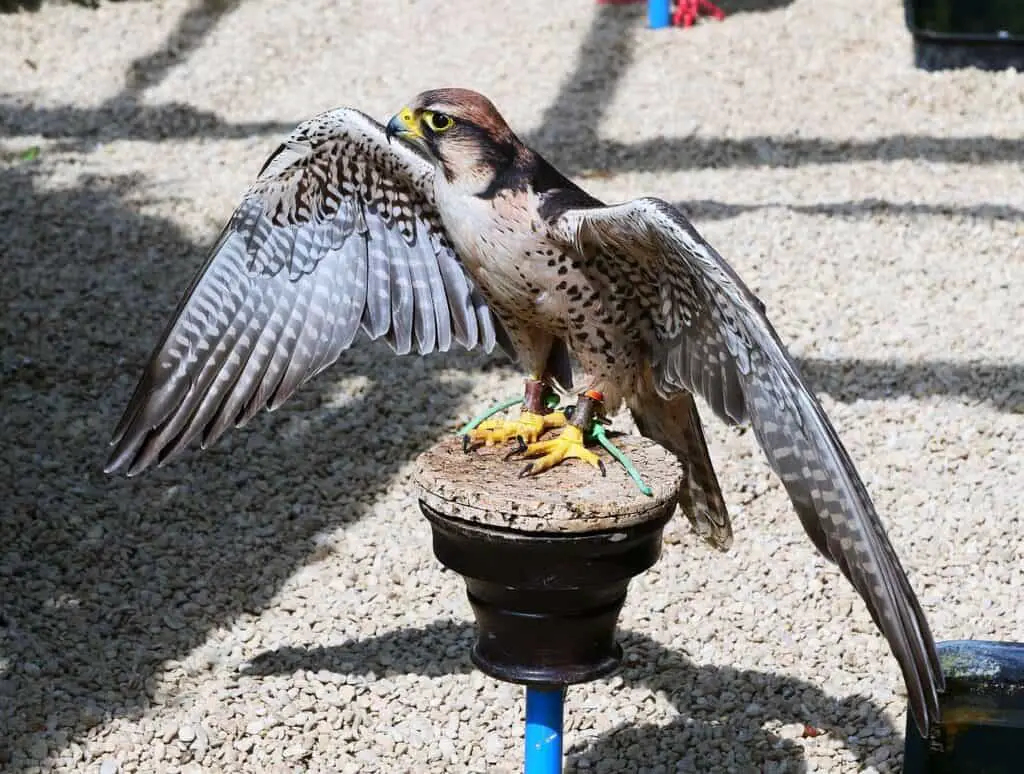
While training my Lanner Falcon, I’ve found that telemetry has become an indispensable tool for tracking and enhancing our sessions. Using telemetry techniques, I can monitor her movements in real-time, ensuring she’s safe during flights. It also aids in data tracking to refine our training regimen.
- Enhances flight performance analysis
- Improves safety during training
- Tracks hunting success in various environments
Weight control for training effectiveness
Maintaining the right weight for Lanner Falcons is crucial for effective training and overall health. I’ve found that these birds thrive when their weight is carefully monitored, as even slight weight fluctuations can significantly impact their training efficiency. I ensure they have the energy and motivation to learn and perform various tasks by keeping them at their optimal weight.
Establishing a consistent feeding schedule and closely observing their body condition is essential. This attention to detail enhances training outcomes and promotes their well-being, allowing us to build a strong bond through successful and enjoyable training sessions.
Training techniques
When it comes to training my Lanner Falcon, I’ve found that techniques like creance flying, recall training, and lure training are essential for developing a strong bond and honing their skills. Each method enhances their natural abilities and reinforces trust between us, making every flight a thrilling experience. I can’t stress enough how vital these training practices are for successful falconry.
Creance flying
Creance flying is a pivotal aspect of training Lanner Falcons. It allows them to develop their hunting skills in a controlled environment. I can ensure their safety through effective creance handling while encouraging natural flight responses.
- Enhances muscle strength and endurance
- Builds confidence in various flight patterns
- Prepares them for real hunting scenarios
Recall training
While training a Lanner Falcon, recall training is essential for ensuring that these magnificent birds return to me reliably after being free to fly. I often face training challenges, but employing various recall methods helps me overcome them. Here’s a quick overview of some techniques I use:
| Recall Method | Description |
| Whistle | A consistent sound to signal return |
| Treats | Positive reinforcement with food |
| Visual Cues | Specific gestures to indicate return |
| Consistent Timing | Establishing a routine for recalls |
Lure training
Building on the foundation of recall training, lure training is another effective technique I use to enhance my bond with my Lanner Falcon. I create an engaging training environment that fosters trust and responsiveness by employing specific lure techniques.
- Utilizes a consistent lure for recognition
- Reinforces positive behaviors with rewards
- Encourages natural hunting instincts
Free-flying and hunting preparation
Proper training and handling techniques are crucial to ensuring a successful free-flying experience with a Lanner Falcon. I focus on free-flying techniques that encourage the falcon’s natural instincts, allowing it to soar and hunt effectively. Establishing trust through consistent handling is essential; I spend time bonding with my falcon, using positive reinforcement.
When preparing for hunting, I implement specific hunting strategies, like understanding wind patterns and terrain, to enhance our success. This preparation strengthens our partnership and ensures that the falcon’s skills are sharpened, leading to a rewarding hunting experience.
Legal and Ethical Considerations
Understanding falconry’s legal and ethical considerations is crucial for anyone passionate about this ancient practice. As a falconer, I recognize that adhering to licensing requirements and legal regulations protects our beloved birds and supports conservation efforts.
- I must ensure ethical practices in breeding and training.
- Awareness of laws regarding captive breeding and wild capture is vital.
- Responsible hunting that prioritizes species preservation is essential.
Hunting with a Lanner Falcon
When I hunt with my Lanner Falcon, I’m always amazed by its agility and precision. Ideal prey species like doves, larks, and even small mammals become the focus of our pursuit, showcasing the falcon’s remarkable hunting techniques. Whether it’s a swift stoop or a coordinated pair hunt, each flight is a thrilling testament to the bond we share as hunting partners.
List of Ideal prey species for hunting with Lanner Falcon
Hunting with a Lanner Falcon opens up a world of exciting possibilities, particularly when it comes to selecting ideal prey species. With its remarkable hunting strategies, I find that the right prey selection significantly enhances the experience. Here are three ideal options:
- Doves: Their flight patterns make them a challenging and rewarding target.
- Larks: These ground-dwelling birds provide thrilling pursuits.
- Small mammals: Species like rabbits can test my falcon’s agility and speed.
Each choice offers unique challenges, allowing me to witness the Lanner Falcon’s incredible agility and skill in action.
Hunting techniques
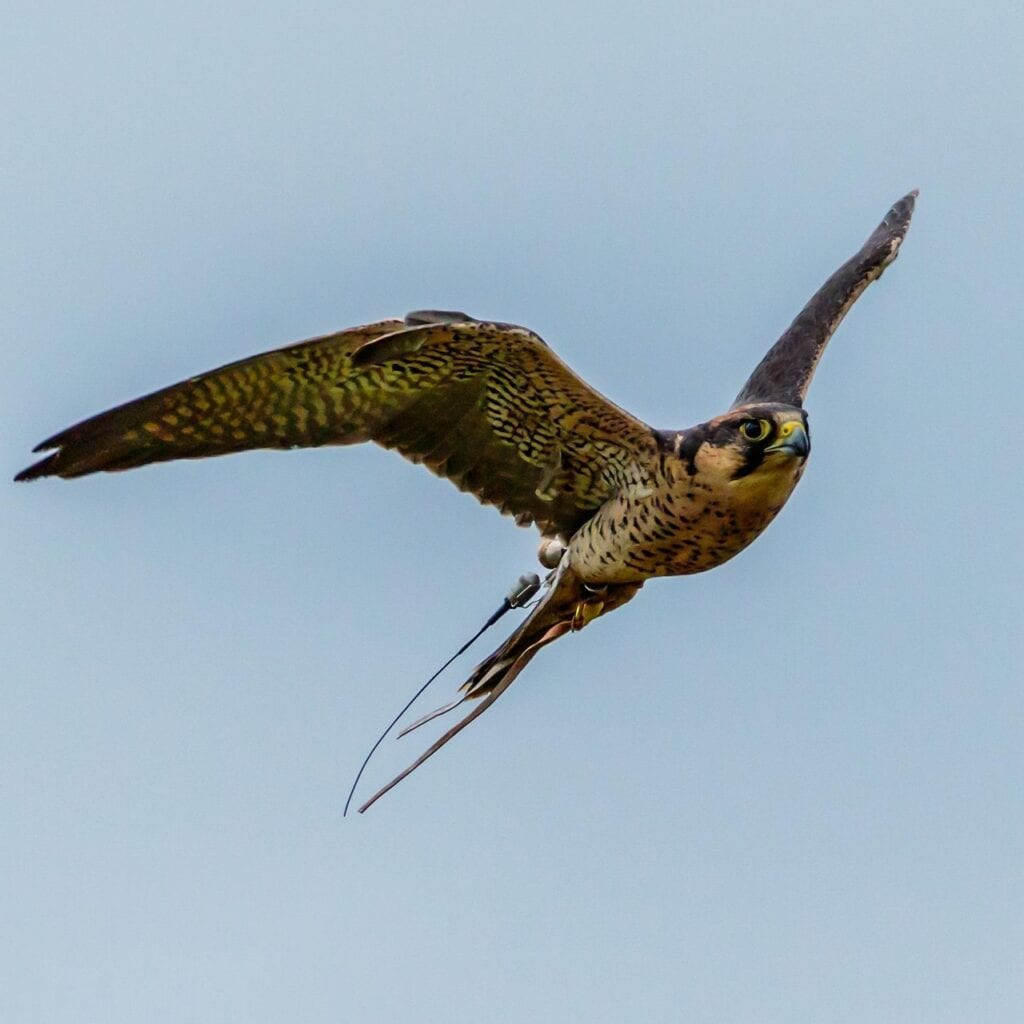
Although every hunt with a Lanner Falcon is unique, the techniques employed by these remarkable birds showcase their incredible adaptability and skill. I’ve observed their hunting styles, which often include stooping and horizontal pursuits, demonstrating their agility and speed. These falcons can work solo or in pairs, using teamwork to flush out prey.
Their keen eyesight allows them to spot potential targets from great heights, while their swift dives ensure a successful catch. Each hunt is a thrilling display of well-practiced falconry techniques, reminding me of the deep bond between falconer and falcon and the artistry involved in this ancient sport.
Advantages and Challenges of Lanner Falcon in Falconry
When I consider the Lanner Falcon in falconry, I’m struck by its remarkable hunting abilities and adaptability, making it a cherished companion for many falconers. However, I also recognize the challenges that come with caring for such a dynamic bird, including its specific dietary needs and potential health issues. Balancing these advantages and challenges truly shapes the falconry experience with this incredible species.
Pros:
- Exceptional Speed and Agility – Lanner Falcons are renowned for their swift and precise flights, making them excellent hunters and companions in falconry.
- Quick learners, which makes training a rewarding process
- Adaptability to Different Environments – These birds thrive in a variety of habitats, from arid regions to open grasslands, showcasing their versatility.
- Teamwork Capability—Lanner Falcons can hunt solo or in pairs, utilizing teamwork to effectively locate and flush out prey.
- Keen Eyesight – Their sharp vision enables them to spot prey from extraordinary distances, which is invaluable in hunting situations.
- Trainability – While requiring patience, Lanner Falcons respond well to consistent training. They are quick learners, which makes training a rewarding process.
- Elegant Appearance—Lanner Falcons are admired for their abilities and beauty, as evidenced by their striking plumage and majestic demeanor.
- Excellent at hunting diverse prey, from birds to small mammals
- Strong bonds with their handlers, enhancing teamwork in the field.
Cons
- Requires extensive training – Lanner Falcons demand consistent and time-intensive training to reach their full potential.
- Not suitable for beginners – Their temperament and training needs can be challenging for inexperienced handlers.
- High energy levels – They require regular flight and hunting opportunities, which can be demanding to maintain.
- Sensitive to diet – Proper nutrition and care are essential to avoid health issues, adding to the complexity of upkeep.
- Can become highly territorial – Lanner Falcons may display territorial behavior, which can be difficult to manage in certain environments.
- Susceptible to stress—If not handled and housed correctly, stress can affect them, potentially impacting their performance and well-being.
Breeding Lanner Falcons
The breeding of lanner falcons in falconry is a meticulous process that requires a deep understanding of the species and careful environmental management. Lanner falcons, known for their speed, agility, and intelligence, are highly regarded by falconers.
Breeders provide suitable housing conditions that mimic their natural habitat, ensuring ample space for flying and nesting. Diet plays a crucial role during the breeding season, with falcons requiring a rich and nutritious menu to maintain their health and facilitate successful reproduction.
Artificial insemination is often employed in breeding programs to ensure genetic diversity and to pair high-performing individuals. Following the hatching, young lanner falcons demand attentive care, including exposure to training regimes that prepare them for hunting and working alongside falconers.
Breeding these birds in captivity supports the conservation of the species and sustains traditions in falconry by providing well-adapted birds for the practice.
Conclusion
In conclusion, the Lanner Falcon is truly a remarkable bird that embodies the spirit of falconry. Its extraordinary hunting skills and unique personality make it a worthwhile companion for falconers. We can foster a deeper bond and appreciation for this magnificent creature by understanding its biology, care, and training needs.
Curious to learn more about the art of falconry and the incredible birds that make it so captivating? Discover the fascinating world of raptors, their behaviors, and the skills needed to forge a bond with these magnificent creatures. Begin exploring more articles that deepen your understanding and passion for this ancient practice—your next adventure in the skies awaits!